
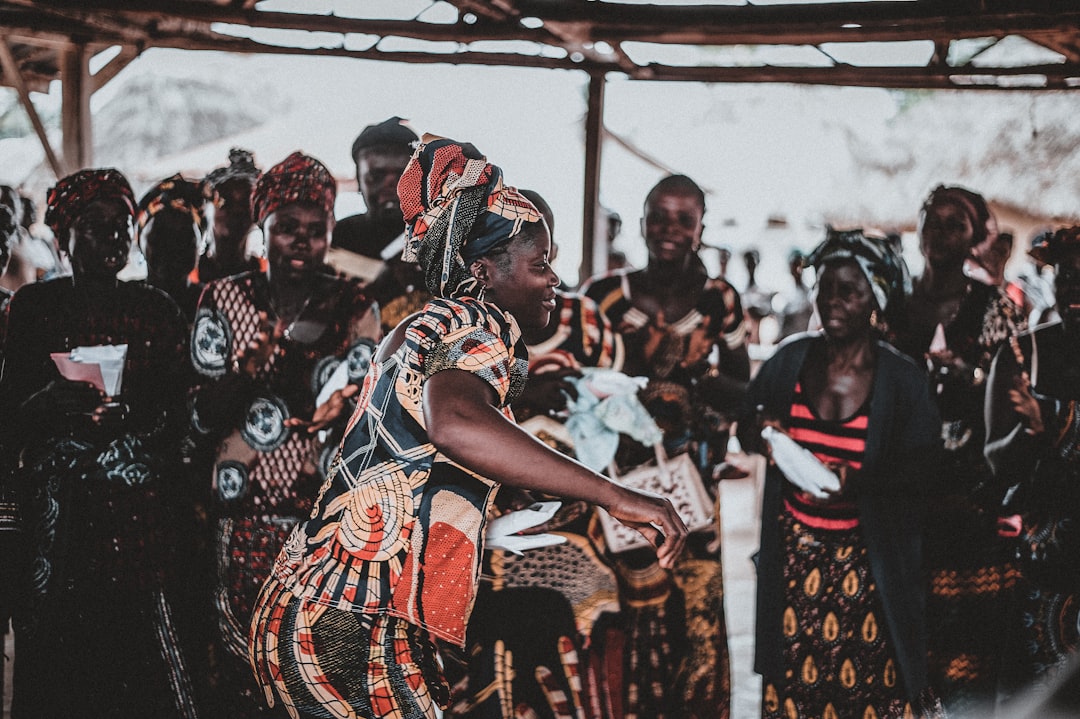

The rhythm of Africa beats at the heart of global music. From its ancient percussive roots to the pulsating fusions of today, African musical traditions have profoundly shaped genres worldwide. More than just influences, certain songs have acted as seismic shifts, introducing new sounds, melodies, and ways of experiencing music to a global audience. These aren’t just popular tracks; they are cultural touchstones that opened doors, challenged norms, and left an indelible mark on the soundtrack of our planet.
The Genesis of Global Rhythms: Early Pioneers
Before the digital age, the dissemination of music across continents was a slower, more organic process. Yet, the infectious energy and innovative spirit of early African artists managed to break through geographical barriers, planting seeds that would blossom into diverse musical landscapes. These pioneers, often working with limited resources, laid the groundwork for future generations.
The Undeniable Power of Highlife
Highlife, a genre originating in Ghana and Nigeria in the early 20th century, was one of the first African musical styles to gain significant international traction. Its blend of traditional Akan rhythms with Western jazz and swing elements created a sophisticated yet danceable sound that resonated far beyond West Africa.
E.T. Mensah and the Tempos: Kings of Highlife
Emmanuel Tettey Mensah, affectionately known as E.T. Mensah, and his band, The Tempos, were instrumental in popularizing Highlife. Their music, characterized by intricate horn arrangements and a smooth, groovy rhythm, captivated audiences throughout West Africa and even found its way to international dance halls.
- “All Night Long”: While not a single track that “changed the world” in isolation, E.T. Mensah’s overall output and the sheer popularity of Highlife during its zenith, epitomized by songs like this, introduced a distinctively African sound infused with Western sensibilities to a global stage. It represented an early form of musical fusion that would become a hallmark of many subsequent global hits. This track, and others from the era, demonstrated that African music could be both modern and deeply rooted.
The Charisma of Félix Leclerc and Congolese Rumba
While not strictly “African” in origin, Félix Leclerc’s impact on the development and dissemination of Congolese Rumba cannot be overstated. His travels and embrace of the genre, coupled with the prolific output of Congolese musicians, turned Rumba into a pan-African phenomenon.
- Franco Luambo Lwanzo Makiadi and OK Jazz’s “Table Ronde”: Franco Luambo Makiadi, often referred to as “Le Grand Maître,” was a titan of Congolese music. His band, Orchestre OK Jazz, produced an immense catalog of songs that defined Congolese Rumba. “Table Ronde” (Round Table) is a prime example of their sophisticated sound, characterized by intricate guitar work, polyrhythmic percussion, and soulful vocals. Its widespread popularity in Africa and beyond demonstrated the genre’s broad appeal and its ability to transcend linguistic and cultural divides. This song, and others from OK Jazz, were crucial in establishing a distinct Congolese musical identity that would influence artists across the continent and eventually influence global dance music.
In exploring the profound impact of African music on the global stage, one can also delve into the creative process of music-making itself. For those interested in crafting their own unique sounds, the article on how to create haunting Halloween melodies offers a step-by-step guide that can inspire musicians to incorporate diverse influences into their work. This resource can be found at How to Make Your Own Haunting Halloween Melodies: A Step-by-Step Guide, providing valuable insights for anyone looking to blend traditional elements with contemporary styles.
The Pan-African Explosion: Post-Independence and Beyond
The mid to late 20th century saw a surge in African musical creativity, fueled by a sense of post-colonial optimism and a desire to forge unique national and continental identities. This era produced songs that not only became anthems within Africa but also captivated listeners in Europe and the Americas.
Afrobeat’s Revolutionary Sound
Afrobeat, pioneered by Nigerian artist Fela Kuti, is a genre that fused highlife, jazz, funk, and traditional Nigerian music. Its complex rhythms, extended instrumental solos, and politically charged lyrics made it a powerful force for social and political commentary.
- Fela Kuti’s “Water No Get Enemy”: This 1975 anthem is a masterpiece of Afrobeat. Its pulsating rhythm, driven by intricate percussion and a powerful horn section, is utterly hypnotic. The song’s philosophical message, advocating for unity and resilience, resonated deeply. “Water No Get Enemy” became an international calling card for Afrobeat, exposing its raw energy and Fela’s uncompromising artistic vision to a global audience. Its influence can be heard in everything from funk to hip-hop, solidifying its place as a pivotal track in global music history. Fela’s ability to create a sound that was both deeply African and universally appealing was revolutionary.
- Fela Kuti’s “Zombie”: Released in 1976, “Zombie” is another seminal Afrobeat track. Its infectious groove and Fela’s scathing critique of military regimes made it an international protest anthem. The song’s repetitive, hypnotic structure, combined with its powerful message, demonstrated Afrobeat’s potential as a tool for social change and artistic expression. It showcased the genre’s ability to be both danceable and deeply meaningful, a combination that continues to inspire musicians worldwide.
The Ubiquity of Soukous
Soukous, a faster, more dance-oriented evolution of Congolese Rumba, swept across Africa and beyond in the latter half of the 20th century. Its intricate guitar melodies, driving basslines, and infectious dance rhythms made it a global party starter.
- Kanda Bongo Man’s “Kwassa Kwassa”: Kanda Bongo Man is credited with popularizing the “Kwassa Kwassa” dance style, which became synonymous with his music. His energetic performances and catchy, upbeat songs like “Kwassa Kwassa” were instrumental in bringing Soukous to a wider international audience. This track, with its irresistible rhythm and Kanda’s dynamic vocals, became a global dancefloor phenomenon, proving the universal appeal of African dance music. The accessibility of the dance and the infectious melody made it an instant hit.
- Papa Wemba’s “Yolele”: Papa Wemba, a true icon of Congolese music, blended traditional Rumba with modern influences. “Yolele,” a soulful and beautifully crafted song, showcased his vocal prowess and songwriting talent. It resonated with audiences across Africa and Europe, demonstrating the emotional depth and sophistication that Soukous could achieve. This track proved that Soukous wasn’t just about energetic dancing; it could also be deeply moving and artistically profound.
The 1980s and 90s: Globalization and New Frontiers
As global communication and travel became more accessible, African music found new avenues for exposure and influence. Artists began to experiment with new sounds and collaborate across borders, leading to exciting fusions and groundbreaking hits.
The Rise of African Pop Superstars
The 1980s and 90s saw the emergence of African artists who achieved genuine global superstardom, their music transcending linguistic and cultural barriers with unprecedented success.
- Youssou N’Dour’s “7 Seconds” (with Neneh Cherry and Seal): While this is a collaboration, Senegalese superstar Youssou N’Dour’s inclusion and lyrical contributions were pivotal. “7 Seconds,” released in 1994, was a massive international hit. The song’s message of tolerance and understanding, delivered in a unique blend of English, French, and Wolof, resonated with a global audience. It showcased N’Dour’s distinctive vocal style and introduced a wider audience to the rich musical heritage of Senegal, proving that African artists could achieve mainstream pop success while retaining their cultural identity.
- Angélique Kidjo’s “Agolo”: Beninese singer-songwriter Angélique Kidjo is a global music force. “Agolo,” from her 1994 album Aye, is a vibrant and energetic track that masterfully blends West African rhythms with pop sensibilities. Kidjo’s powerful vocals and her ability to fuse diverse musical elements made her a compelling international artist. “Agolo” became a dancefloor anthem, showcasing the infectious joy and musicality of her unique style and further cementing African music’s place on the global stage.
The Dancehall Connection and Beyond
While Jamaican dancehall and reggae have long been influenced by African music, the reverse also became increasingly true, particularly with the rise of vibrant urban music scenes across the continent.
- Peter Tosh’s “African”: Though Peter Tosh was a Jamaican artist, his deep connection to Africa and his 1983 album The Toughest featured the powerful track “African.” This song, with its direct lyrical engagement with African identity and liberation, was a significant cultural statement. While not a “hit” in the conventional pop sense, its message and Tosh’s global platform helped amplify pan-Africanist ideals within the reggae and wider music consciousness, fostering a deeper appreciation for African heritage.
The 21st Century: Digital Dominance and Afrobeats’ Global Conquest
The advent of the internet and digital streaming platforms has democratized music distribution and accelerated the global spread of African sounds. This has led to the current explosion of Afrobeats, a genre that has taken the world by storm.
The Afrobeats Phenomenon
Afrobeats, a contemporary genre originating primarily from Nigeria and Ghana, is characterized by its infectious rhythms, catchy melodies, and a fusion of hip-hop, R&B, and dancehall influences. It has become a dominant force in global popular music.
- Wizkid ft. Drake – “One Dance”: Released in 2016, “One Dance” by Nigerian artist Wizkid, featuring Canadian rapper Drake and Spanish artist Kyla, was a monumental global hit. It topped charts in over 15 countries and became one of the best-selling digital singles of all time. The song’s breezy, dancehall-infused rhythm and Wizkid’s distinctive vocal delivery, combined with Drake’s star power, propelled Afrobeats into mainstream consciousness worldwide. This track was a definitive moment, showcasing the genre’s commercial viability and global appeal.
- Davido – “Fall”: Davido’s 2017 hit “Fall” became one of the most Shazamed songs in the US and achieved massive success across Africa and Europe. Its catchy melody, simple yet effective production, and Davido’s charismatic performance made it an instant anthem. “Fall” demonstrated the power of a well-crafted Afrobeats track to dominate digital platforms and resonate with a diverse, international audience, further solidifying Afrobeats’ global presence.
- Burna Boy – “Ye”: While “Ye” was released in 2018, its global impact grew significantly in the following years, especially after its inclusion on President Obama’s 2018 summer playlist. Burna Boy’s unique blend of Afrobeats, reggae, and dancehall, coupled with his compelling lyrical content, earned him critical acclaim and a growing international fanbase. “Ye” became an anthem, showcasing the artistry and depth within the Afrobeats movement and contributing to Burna Boy’s ascent as a global music icon.
- Rema – “Calm Down” (with Selena Gomez): The remix of Rema’s 2022 hit “Calm Down” with Selena Gomez catapulted the song to global superstardom, becoming a massive international chart-topper. This collaboration perfectly encapsulated the seamless integration of Afrobeats with global pop, demonstrating its broad appeal and Rema’s unique ability to craft infectious melodies that connect with diverse audiences. The song’s viral success on platforms like TikTok further cemented Afrobeats’ dominance.
The Fusion Continues: Genre Blending and Innovation
The digital age has also fostered an environment where artists can easily experiment with and blend genres, leading to innovative sounds that continue to push the boundaries of global music.
- Akon’s “Mama Africa”: While Akon is a Senegalese-American artist, his 2008 album Freedom featured the track “Mama Africa,” a powerful ode to the continent. This song, though more R&B-infused, served as a significant cultural statement, bringing a more conscious and appreciative narrative about Africa to a mainstream Western audience. It highlighted the ongoing artistic connection and influence between the diaspora and the continent.
- P-Square’s “Personally”: The Nigerian twin duo P-Square were masters of modern Afrobeats, blending dancehall, hip-hop, and traditional African rhythms. “Personally,” released in 2013, was a massive hit across Africa and parts of Europe. Its infectious beat, impressive choreography, and P-Square’s undeniable charisma made it a global party starter and a testament to the evolving sound of contemporary African pop.
In exploring the profound impact of African music on the global stage, you might find it interesting to read about the latest trends in the disco genre, which also draws inspiration from diverse musical roots. This article highlights how contemporary playlists are being shaped by various influences, showcasing the evolution of dance music and its connections to traditional sounds. To delve deeper into this fascinating intersection of genres, check out this related piece on disco charts that captures the essence of modern party music.
The Enduring Legacy and Future of African Music
The songs that have changed global music forever are not just historical artifacts; they are living testaments to the vibrant, dynamic, and ever-evolving nature of African creativity. From the early jazz-infused Highlife to the global dominance of Afrobeats, African rhythms have consistently provided the pulse for innovation and cultural exchange.
These 25 songs, and countless others, represent moments when African musical genius intersected with global consciousness, creating sounds that continue to inspire, uplift, and move us. The journey is far from over, as new artists and genres emerge, poised to write the next chapter in this extraordinary global musical narrative. The future of music, it seems, will continue to beat with an undeniable African rhythm.
Meta Description: Discover 25 iconic African songs that reshaped global music, from Highlife and Afrobeat to the modern Afrobeats explosion. Explore influential tracks and their impact.
URL Slug: african-songs-changed-global-music
Tags: African Music, Afrobeats, Highlife, Afrobeat, Soukous, World Music, Music History, Global Music, Fela Kuti, Wizkid, Davido, Burna Boy, Youssou N’Dour, Angélique Kidjo
FAQs
1. What are some examples of African songs that have had a significant impact on global music?
Some examples of African songs that have changed global music forever include “Pata Pata” by Miriam Makeba, “Zombie” by Fela Kuti, “Yeke Yeke” by Mory Kanté, “Sweet Mother” by Prince Nico Mbarga, and “Soweto Blues” by Hugh Masekela.
2. How have these African songs influenced global music?
These African songs have influenced global music by introducing unique rhythms, melodies, and instruments to the global music scene. They have also inspired and influenced countless musicians and artists from around the world.
3. What genres of music have been influenced by African songs?
African songs have influenced a wide range of music genres including jazz, reggae, afrobeat, highlife, and world music. Their impact can be heard in the music of artists across various genres.
4. What makes these African songs significant in the history of global music?
These African songs are significant in the history of global music because they have helped to bridge cultural gaps, showcase the diversity of African music, and bring attention to important social and political issues through their lyrics and messages.
5. How have African songs contributed to the representation and recognition of African music on the global stage?
African songs have contributed to the representation and recognition of African music on the global stage by showcasing the rich musical traditions of the continent and highlighting the talent and creativity of African musicians. They have also helped to challenge stereotypes and misconceptions about African music.
