



The whole point of Reality Tv satire is to take a familiar TV formula and turn it up so far it becomes a mirror—and a punchline. Picture four gothic queens arriving like a discount vampire coven that missed their Uber to a midnight ritual, boots higher than their self-awareness and corsets tighter than their personality range. That contrast—glamour staged against survival absurdity—is where the comedy and commentary live.
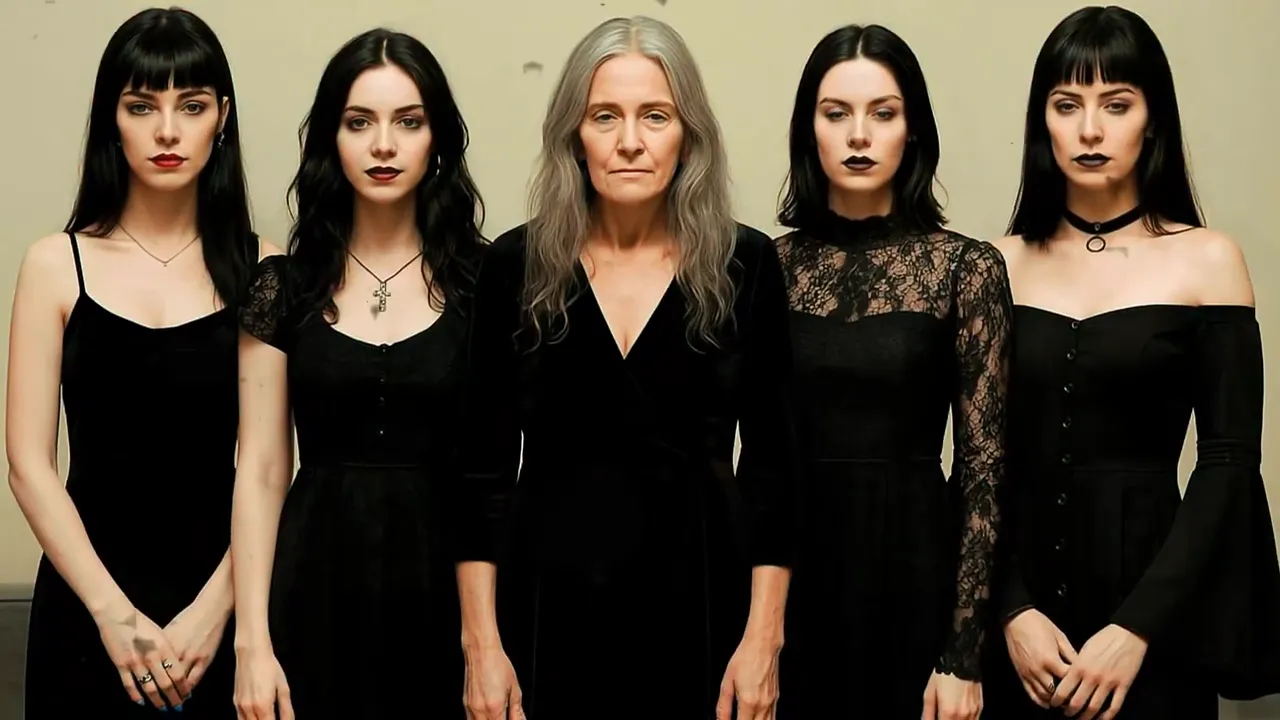
Table of Contents
- Goth Queens as archetypes (and why they work)
- How the satire lands: technique and timing
- Props, wardrobe, and the language of parody
- What the satire reveals about influencer culture
- FAQ
Goth Queens as archetypes (and why they work)
Archetypes are shorthand. The brooding queen who “stares at the camera like she was summoning a demon,” the poetically tragic friend whispering lines like “My soul is velvet pain,” the one who treats dirt like a haunted crypt—each is exaggerated enough to be funny and recognizable. In Reality Tv satire, exaggeration equals clarity.

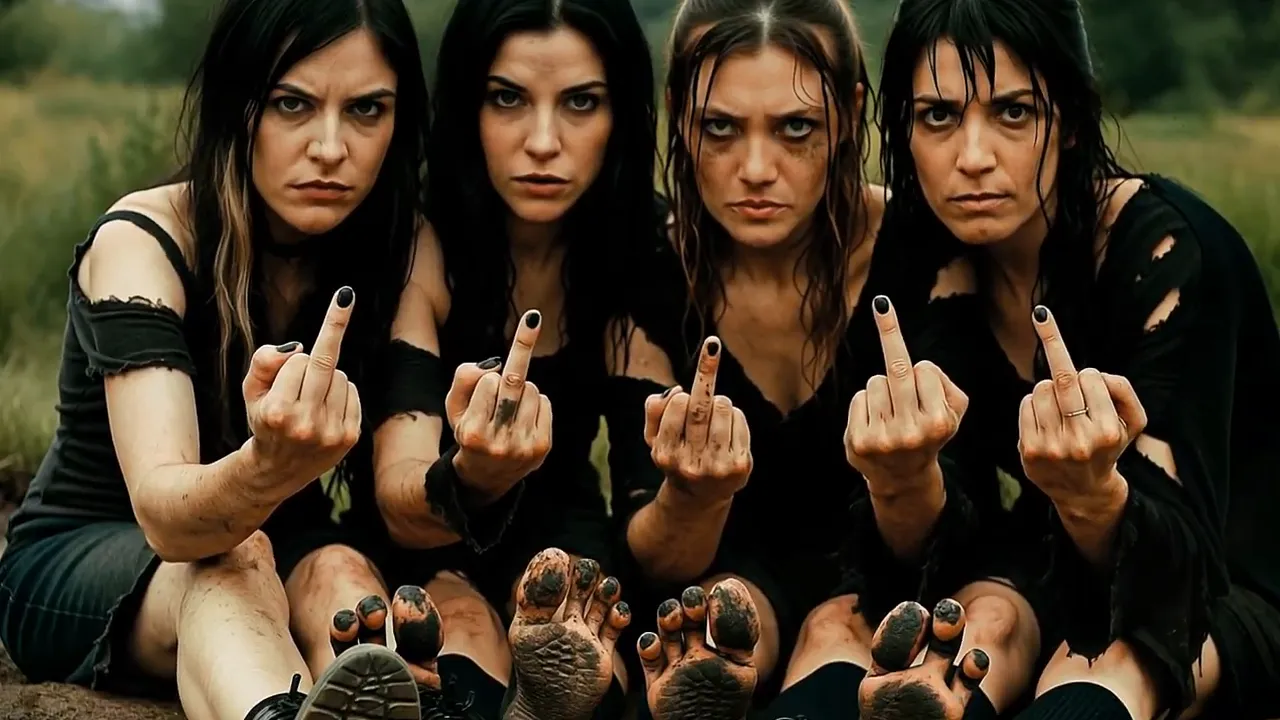
Use archetypes to lampoon influencer culture: take one clear trait, amplify it, and then force it into environments that expose its ridiculousness. In this case, dark glamour meets thunder, mud, and mascara in the rain. You get dramatic breakdowns, eyeliner thick enough to write a will with, and emotional volatility that feels physically flammable.
How the satire lands: technique and timing
The satire succeeds because of contrast and escalation. Start with a polished image—hydrated, highlighted, emotionally stable—then drop it into an environment that actively hates that image. Nature becomes antagonistic: one queen screams at a leaf; another refuses to sit because the ground is “emotionally hostile.”
- Contrast: Glamour in the jungle is visual and semantic mismatch.
- Escalation: Small irritations turn into an Oscar-worthy fight over “signature aura.”
- Physical comedy: Mud, slipping, flying black polish—visuals do heavy lifting for satire.

Props, wardrobe, and the language of parody
Everything is a prop in Reality Tv satire. Corsets, chokers adjusted every five seconds, and eyeliner so dramatic it doubles as a prop knife. The wardrobe says a lot before anyone speaks. When those items fail—lipstick melting, mascara running—the collapse is both literal and metaphorical. The fall into mud becomes the joke and the judgment.
3 rules for staging Reality Tv satire
- Pick a recognizable trope and exaggerate one trait to absurdity.
- Force an incompatible setting to highlight the trope’s fragility.
- Let props fail—cosmetics running, outfits ruined, the visual gag seals the satire.
What the satire reveals about influencer culture
It’s a gentle roast and a sharp critique. Influencer narratives often rely on curated persona and staged vulnerability. Throw curated persona into a storm and the artifice peels away. The scene where three queens slip into mud like “depressed ballerina’s mascara streaks” is a comic shorthand for the collapse of manufactured identity under real conditions.

FAQ
What makes this a Reality Tv satire rather than straight parody?
How do wardrobe and makeup contribute to the satire?
Can satire still be kind to its subjects?
How should creators balance comedy with critique?
Suggested links to add
No external URLs were provided. Below are recommended 1–3 word anchor texts and placeholder URLs—replace INSERT_URL_HERE with the actual links you want to use.
- Reality TV — overview of show format
- gothic fashion — gothic style references
- influencer culture — critique and analysis
- makeup — tutorials or product pages
- satire techniques — writing and staging tips
Placement suggestions: link “Reality TV” in the opening paragraph; “gothic fashion” in the wardrobe paragraph; “influencer culture” where the critique is discussed; “makeup” near the lines about mascara and lipstick; and “satire techniques” in the technique/timing section.
