
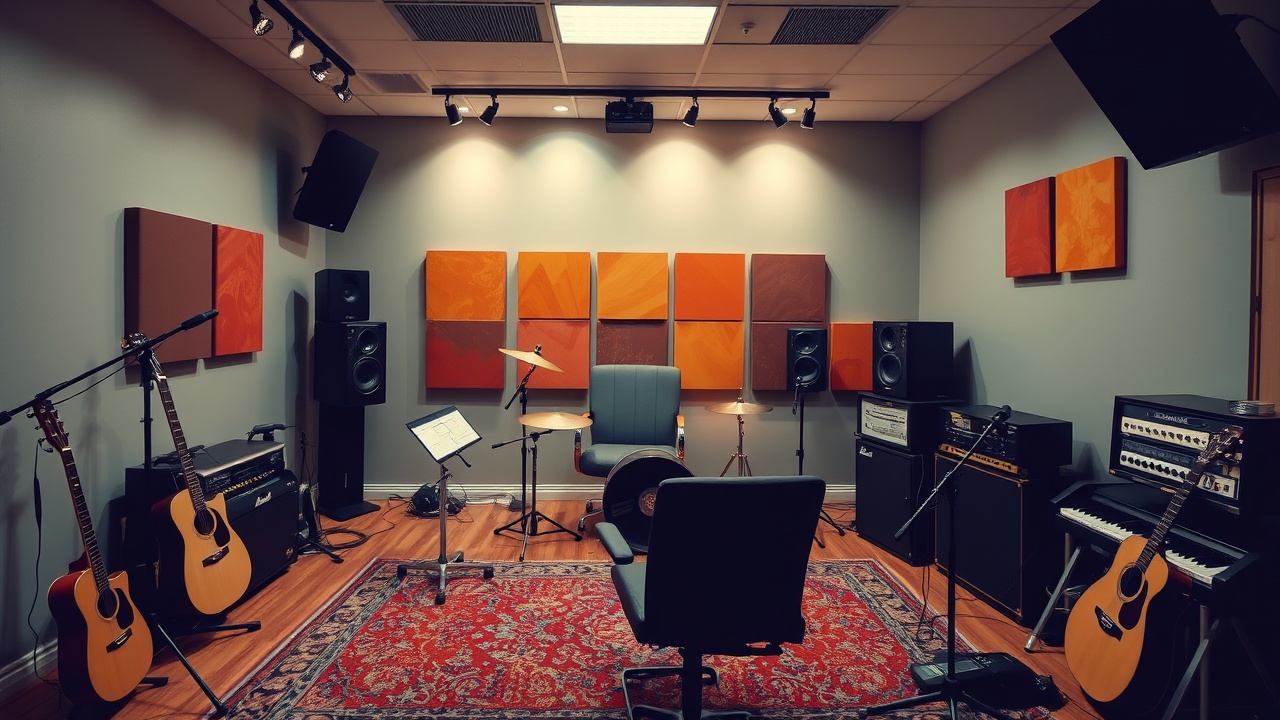

The digital ether hums with possibility, a vast, shimmering canvas where melodies are born and beats collide. My studio, a cozy, cluttered sanctuary of keyboards, monitors, and a frankly embarrassing number of cables, is my laboratory. Here, I dissect the sonic DNA of what makes music connect, what lures the listener in and compels them to press repeat. The year is 2026, and the landscape of “hit songs” is, as always, a fascinating, ever-shifting mosaic. I’ve spent years tinkering, not just with knobs and faders, but with the very essence of what resonates. This isn’t about chasing trends, not entirely. It’s about understanding the anatomy, the underlying structure that allows a song to transcend its genre, its era, and lodge itself in the collective consciousness.
So, you want to build a hit, do you? Forget the notion that it’s all about a catchy chorus, though that’s certainly a delicious cherry on top. In 2026, the sonic foundation is paramount. It’s the bedrock upon which everything else is built, and frankly, if it’s weak, your entire edifice will crumble. I remember a particularly frustrating session with my friend Liam, a virtuoso guitarist with a tendency to treat the mixing board like an abstract expressionist painting. “Liam,” I’d sigh, gesturing wildly at the waveform, “this bassline is struggling to find its footing. It’s like a lost tourist in a bustling city – all over the place and barely audible.” Liam, with his perpetually rumpled hair and an optimistic glint in his eye, would retort, “But it’s expressive, man! It’s feeling the moment!” And that’s the thing, isn’t it? Feeling is crucial, but so is clarity. A hit song, in its rawest form, needs to sound good. It needs to be… solid.
The Rhythmic Engine: The Unsung Hero
Let’s talk rhythm. It’s the heartbeat of any track, the subtle propulsion that makes us nod our heads, tap our feet, or even spontaneously break into a dance. In 2026, this isn’t just about a four-on-the-floor kick drum, though that can still be incredibly effective. We’re seeing a sophisticated interplay of percussive elements, often layered and subtly automated to create intricate polyrhythms. Think about the global influences that have permeated pop music. West African percussion, Latin American grooves, even the intricate rhythms of certain electronic subgenres are now woven into the fabric of mainstream hits.
The Kick Drum: More Than Just a Thump
The kick drum is your foundation. It needs to have presence, but not at the expense of other elements. Over-compressing it into oblivion is a common pitfall. I’ve spent countless hours experimenting with different kick drum samples, layering them with sub-bass frequencies to give them weight without making them muddy. Sometimes, a slightly detuned kick can add a touch of musicality, a subtle off-kilter feel that draws the listener in.
Snare and Clap: The Character Drivers
The snare and clap are the personalities of your beat. They provide the sharp, attacking transients that cut through the mix. Experimentation here is key. Do you go for a tight, impactful snare? A more reverberant clap for a sense of space? Or a combination? I’ve discovered that subtly pitching a snare up or down can dramatically alter its character and its harmonic relationship with other elements in the track. It’s like finding the right accent for a spoken word.
Percussive Flourishes: The Subtle Charm Offensive
These are the little details that add sparkle. Shakers, tambourines, congas, woodblocks – they might seem minor, but they provide texture and a sense of organic movement. These aren’t just tacked on; they are often intricately programmed and processed. A heavily filtered shaker, panned strategically, can create an illusion of width and depth. A carefully placed rimshot can punctuate a phrase and add a sense of surprise.
The Bassline: The Emotional Anchor
Ah, the bassline. This is where the groove truly lives. A great bassline isn’t just about hitting the root notes; it’s about melodic invention, rhythmic syncopation, and harmonic tension. I recall a conversation with a seasoned jazz musician, a woman named Anya, who visited my studio. She listened to a demo I was working on, a fairly generic electronic track. “The melody is… fine,” she said, her fingers tracing invisible lines in the air, “but the bassline… it’s just a passenger. It needs to be the chauffeur, guiding the entire journey.” She was absolutely right. A stagnant bassline can kill a song’s energy.
Harmonic Complexity: Beyond the Root
While root notes are essential, a more adventurous or strategically placed passing tone can add a surprising depth to the harmonic progression. Think of it like adding a splash of unexpected color to a monochromatic painting. This doesn’t mean chaotic dissonance; it’s about finding those sweet spots that create a sense of movement and anticipation.
Rhythmic Interplay: The Dance Partner
The bassline shouldn’t just follow the kick. It should converse with it. Syncopation, off-beat accents, and even brief moments of silence can create a compelling rhythmic dialogue. This is where the true groove is born. I often find myself “playing” the bassline on a MIDI keyboard, trying to capture that human feel of swing and phrasing.
Sub-Bass Presence: The Physical Connection
For many genres, a solid sub-bass is non-negotiable. It provides that physical, visceral impact that makes music feel alive. However, overdoing it can lead to a muddy, undefined low end. Finding that sweet spot, where the sub-bass is felt more than it’s heard, is a delicate art. This often involves careful EQing and, sometimes, the judicious use of saturation to bring out harmonics that translate better on smaller speakers.
In 2026, a fascinating article titled “How to Produce EDM: A Comprehensive Guide to Electronic Music Production” was published, offering valuable insights into the intricacies of creating electronic dance music. This article complements the themes explored in “The Anatomy of a Hit Song,” as it delves into the production techniques and creative processes that contribute to crafting chart-topping tracks. For those interested in understanding the technical aspects behind hit songs, this guide serves as an excellent resource. You can read the article here: How to Produce EDM.
Melodic Intelligence: The Hook and Its Cousins
The melody, of course, is the siren song, the part that gets stuck in your head. But in 2026, the definition of “hook” has expanded significantly. It’s not always a straightforward vocal line. It can be a synth riff, a guitar lick, or even a cleverly arranged instrumental phrase. The key is memorability and emotional resonance. I once explained to a DJ, Kai, that his latest track had a great beat but a melody that felt like a faded postcard. “It’s pleasant,” I said, “but it doesn’t grab you. It doesn’t have that spark that makes you want to hear it again. Think of it as a conversation starter, not a full-blown monologue.” Kai, bless his dedicated soul, spent the next week crafting half a dozen new melodic ideas, each one more compelling than the last.
The Vocal Hook: The Unmistakable Signature
This is the most traditional form of hook, and still incredibly powerful. It needs to be singable, memorable, and delivered with conviction. The phrasing, the melodic contour, the emotional delivery – all play a crucial role.
Lyrical Simplicity and Relatability
While intricate storytelling can have its place, for a mass-appeal hit, a degree of lyrical simplicity and relatability is often key. Think of phrases that are easily understood and can be sung along to, even by someone hearing the song for the first time.
Melodic Contour and Repetition
The rise and fall of a melody, the use of repeated motifs, and intentional pauses all contribute to its catchiness. A well-placed repetition transforms a nice phrase into an earworm.
Instrumental Hooks: The Emerging Architects
The rise of a killer synth line, a distinctive guitar solo, or a quirky vocal chop can be just as effective, if not more so, than a vocal hook. These instrumental hooks can provide a signature sound for a track, setting it apart from the competition.
Iconic Synth Riffs: The Digital Soul
Modern synths offer a vast palette of sounds. A well-crafted synth riff, with its unique timbre and rhythmic pattern, can become the defining element of a song. It’s the digital equivalent of a memorable solo instrument in classical music.
Guitar Licks and Solos: The Electric Whisper
Even in heavily electronic genres, a well-placed guitar lick or solo can add a human touch and a sense of raw energy. This isn’t about technical virtuosity necessarily, but about a memorable, impactful melodic statement.
The Earworm Effect: The Science of Stickiness
Why do some melodies get lodged in our brains? It’s a combination of factors: simplicity, repetition, and often, a slight element of surprise or tension resolved. Understanding these principles can help you consciously craft melodies that are inherently memorable.
Harmonic Architecture: The Emotional Palette
Harmony is the emotional coloring of a song. It’s what gives it its mood, its character, its ability to make us feel joy, melancholy, or exhilaration. In 2026, this is about more than just sticking to the same old chord progressions. We’re seeing a fascinating blend of traditional harmonic structures with more experimental voicings and unexpected modulations. I remember a session with a composer, Clara, who had a knack for weaving intricate harmonic tapestries. I played her a track that was harmonically rather pedestrian. “It’s like a beautiful painting in black and white,” she mused, “competently executed, but it lacks the vibrant hues that would truly bring it to life.” She then proceeded to show me how a few judiciously placed suspensions and a subtle shift of key could transform the emotional landscape of the track.
Chord Progressions: The Familiar Framework
While innovation is crucial, a solid understanding of established chord progressions is fundamental. These are the building blocks that most listeners intuitively understand and respond to.
The Power of Proven Progressions
Certain chord progressions have stood the test of time for a reason. They evoke specific emotions and create a sense of familiarity and satisfaction for the listener.
Subverting Expectations: The Subtle Twist
While familiarity is good, a predictable progression can become monotonous. Introducing a surprising chord, a short melodic detour, or a momentary harmonic tension can elevate a simple progression into something more engaging.
Voicing and Inversions: The Nuances of Color
How you arrange the notes within a chord, or the specific notes you choose to play, can dramatically alter its emotional impact. This is where subtlety and sophistication come into play.
Creating Depth and Richness
Experimenting with inversions and different voicings can add a beautiful richness and complexity to your harmonic language. It’s like using different brushes to add varying textures to a painting.
The Role of Suspensions and Appoggiaturas
These non-chord tones, when used effectively, can create a sense of yearning, anticipation, or resolution, adding emotional depth to your harmonies.
Modulations and Key Changes: The Narrative Shifts
A well-executed modulation can signal a shift in mood, a change in perspective, or simply add a dynamic lift to a song. This is a powerful tool for storytelling.
Seamless Transitions: The Art of the Move
The goal is often to make key changes feel natural and organic, rather than jarring. This requires careful planning and a deep understanding of harmonic relationships.
The Emotional Impact of a Shift
A change in key can evoke a powerful emotional response from the listener, often signaling a climax or a moment of profound realization.
Enhance your skills by enrolling in our comprehensive music production course today.
Production and Arrangement: The Sonic Sculpting
This is where the raw ingredients are transformed into a finished product. In 2026, production is not an afterthought; it’s an integral part of the songwriting process. We’re talking about sonic textures, spatial placement, and the intelligent use of effects. I had a chat with a producer I deeply admire, a quiet genius named Hiro. We were discussing the dynamics of a pop track. He showed me how a seemingly simple reverb on a vocal could be the difference between a sterile delivery and one that felt as intimate as a whispered secret. “It’s about controlling the space,” he explained, his gaze fixed on the monitor, “giving each element its own room to breathe, and yet making them all feel like they belong in the same house.”
Sonic Textures: The Aural Landscape
The sounds we choose are as important as the notes we play. This involves a deep understanding of synthesis, sampling, and the art of sound design.
Layering and Blending: Creating Unique Sounds
The days of relying on single presets are largely over. Hit songs are often built on carefully layered and blended sonic textures, creating a rich and distinctive sound.
The Art of Saturation and Distortion
When used judiciously, saturation and distortion can add warmth, character, and excitement to individual sounds and the overall mix. It’s like adding a touch of spice to a dish.
Spatialization and Panning: Creating Dimensions
How you place elements in the stereo field can dramatically impact the perceived width, depth, and clarity of your mix.
The Importance of Stereo Width
A wider stereo image can make a track feel more immersive and expansive. This is achieved through clever panning and stereo-widening techniques.
Creating Depth with Reverb and Delay
Reverb and delay are your tools for creating a sense of space and distance. They can make a vocal feel intimate or a synth line feel vast and airy.
Dynamic Control: Sculpting the Flow
The ebb and flow of loudness within a track is crucial for engagement. This involves careful use of compressors, limiters, and automation.
Compression: The Invisible Hand
When applied subtly, compression can even out dynamics, add punch, and glue elements together. Over-compression, however, can kill a track’s life.
Automation: The Expressive Touch
Automating parameters like volume, panning, and filter cutoff can add movement and interest to your mix, making it feel more alive and dynamic.
In 2026, the music industry continues to evolve, and understanding the elements that contribute to a successful track remains crucial. A fascinating article discusses how platforms like TikTok have transformed the landscape for emerging artists, highlighting their role in shaping music trends and creating breakout stars. You can explore this topic further in the article about TikTok’s influence on the industry, which complements the insights found in The Anatomy of a Hit Song. For more details, check out the article here.
The Lyrical Narrative: The Storyteller’s Craft
| Metric | Description | Average Value in 2026 | Impact on Hit Potential |
|---|---|---|---|
| Song Length | Duration of the track in minutes and seconds | 2:45 | Shorter songs increase replayability and streaming counts |
| Beats Per Minute (BPM) | Tempo of the song | 100-110 BPM | Mid-tempo range preferred for broad audience appeal |
| Chorus Entry Time | Time from start to first chorus | 0:40 | Early chorus hooks listener quickly |
| Lyrics Sentiment | Emotional tone of the lyrics | Positive/Empowering | Positive messages resonate more with audiences |
| Streaming Platforms | Number of platforms where the song is available | 7+ | Wider availability increases reach and streams |
| Social Media Mentions | Number of mentions across major social platforms in first month | 500,000+ | High social buzz correlates with chart success |
| Featured Collaborations | Presence of guest artists or producers | 1 prominent feature | Collaborations expand fanbase and add credibility |
| Music Video Views | Number of views within first week of release | 20 million+ | Visual content drives engagement and sharing |
| Danceability Score | Measure of how suitable the song is for dancing (0-1 scale) | 0.75 | Higher danceability increases club and social media popularity |
| Unique Sound Elements | Use of innovative or distinctive sounds/instruments | 2-3 unique elements | Distinctiveness helps the song stand out in a crowded market |
While the music provides the emotional canvas, the lyrics paint the picture. In 2026, lyrical content is more diverse than ever, but the core principles of effective storytelling remain. It’s about connecting with the listener on an emotional or intellectual level, offering a perspective, a feeling, a shared experience. I once had a coffee with a lyricist, someone who had penned some truly iconic lines. I asked her how she approached her craft. “It’s about observation, mostly,” she said, stirring her latte. “Watching people, listening to conversations, feeling the pulse of the world. And then, it’s about finding the single, perfect word, the one that unlocks the entire emotion of a line.”
The Theme: The Core Message
Every hit song, at its heart, has a central theme or message that it’s trying to convey. This can be love, loss, ambition, rebellion, or any number of human experiences.
Universal Appeal of Relatable Themes
Songs that tap into universal emotions and experiences tend to have the broadest appeal. They speak to something inherent in the human condition.
Nuance and Specificity: Adding Depth
While broad themes are important, the best lyrics also offer specific details and imagery that make the theme more vivid and relatable.
Storytelling and Imagery: Painting with Words
Great lyrics tell a story or paint a vivid picture in the listener’s mind, evoking emotions and creating memorable moments.
Metaphor and Simile: The Poetic Devices
The use of figurative language can add beauty, depth, and impact to lyrics, making them more engaging and memorable.
Narrative Arc: The Journey of the Words
Even in a short song, there’s often a sense of progression or a narrative arc that unfolds through the lyrics.
Word Choice and Phrasing: The Precision of Language
Every word matters. The right word, in the right place, can elevate a lyric from good to unforgettable.
The Power of a Single Word
Sometimes, a single, perfectly chosen word can encapsulate an entire emotion or idea.
Rhythmic and Rhyme Scheme Considerations
While not every hit song adheres to strict rhyme schemes, an understanding of rhythm and flow in lyrics is essential for musicality.
In exploring the intricacies of what makes a song successful, “The Anatomy of a Hit Song” provides valuable insights into the elements that resonate with listeners. For those looking to further understand how artists can effectively promote their music in today’s digital landscape, a related article discusses innovative strategies that musicians are using to dominate the music scene. You can read more about these approaches in the article on digital marketing strategies for musicians. This resource complements the analysis of hit songs by highlighting the importance of marketing in achieving success in the music industry. For more details, check out the article here.
The X-Factor: Intangibles and Trends
Beyond the measurable components, there’s an elusive quality to a hit song, an intangible ‘X-factor’ that defies easy definition. This is where current trends, cultural zeitgeist, and sheer serendipity converge. I remember a conversation with a music journalist, someone who had seen countless trends come and go. He spoke of a certain “energy” that certain songs possessed, a vibe that was both of its time and yet somehow timeless. “It’s like a perfectly brewed cup of coffee,” he’d said, gesturing with his hands, “you can analyze the beans, the water temperature, the brewing method, but there’s always that… aroma, that feeling, that makes it truly special.”
The Cultural Resonance: Tapping into the Zeitgeist
A hit song often captures the mood or spirit of its time, reflecting or even shaping cultural conversations.
Viral Potential and Social Media Impact
In 2026, a song’s ability to go viral on social media platforms is a significant factor in its success, often driven by its catchiness, relatability, or meme-ability.
Influencer Endorsement and Algorithmic Favoritism
The role of influencers and playlist algorithms in propelling songs to popularity cannot be understated.
Emotional Impact: The Heartstring Pull
Ultimately, the songs that become hits are the ones that move us, that make us feel something deeply.
Catharsis and Connection
Hit songs can provide a sense of catharsis, allowing listeners to process their own emotions, or forge a connection with others who feel the same.
The Power of Nostalgia and Hope
Songs that tap into our sense of nostalgia or offer a glimmer of hope can resonate powerfully with a wide audience.
Innovation and Predictability: The Delicate Balance
The most successful hits often strike a balance between familiar elements that appeal to a broad audience and innovative touches that make them feel fresh and exciting.
The Familiarity Trap: Avoiding Monotony
Sticking too closely to established formulas can lead to a song that is perceived as uninspired or derivative.
Pushing Boundaries: The Edge of Innovation
Conversely, a song that is too avant-garde or experimental may alienate a wider audience. The sweet spot lies in finding that engaging blend.
And so, you have it. The anatomy of a hit song in 2026, as seen through the pixelated lens of my studio. It’s a complex interplay of science and art, of predictable structures and exhilarating spontaneity. It’s about understanding the mechanics, yes, but also about embracing the magic that happens when those mechanics are infused with genuine passion and a touch of indefinable spark. Now, if you’ll excuse me, I have a particularly stubborn kick drum that needs taming. The pursuit of the perfect beat, after all, is an endless, and rather enjoyable, laboratory experiment.
Check Out Our Music Producer Class!
FAQs
What are the key elements that define a hit song in 2026?
A hit song in 2026 typically features a blend of catchy melodies, relatable lyrics, innovative production techniques, and strong emotional appeal. Additionally, integration with social media trends and streaming platform algorithms plays a crucial role in a song’s success.
How has technology influenced the creation of hit songs in 2026?
Advancements in AI-driven music production tools, virtual reality experiences, and real-time audience feedback have transformed how hit songs are created. Producers and artists use these technologies to experiment with sounds, tailor music to listener preferences, and enhance engagement.
What role do streaming platforms play in determining a hit song in 2026?
Streaming platforms use sophisticated algorithms to recommend music, which can significantly boost a song’s visibility and popularity. Playlists curated by both AI and human editors, as well as user engagement metrics like shares and saves, are critical factors in a song becoming a hit.
Are there specific genres dominating the charts in 2026?
While musical tastes continue to diversify, genres such as pop, hip-hop, electronic, and fusion styles that blend multiple influences remain dominant on the charts. The popularity of genres often shifts with cultural trends and technological innovations in music production.
How important is social media in promoting a hit song in 2026?
Social media platforms are essential for promoting hit songs, enabling artists to connect directly with fans, create viral challenges, and generate buzz. Engagement through platforms like TikTok, Instagram, and emerging social networks can rapidly increase a song’s reach and chart performance.
