
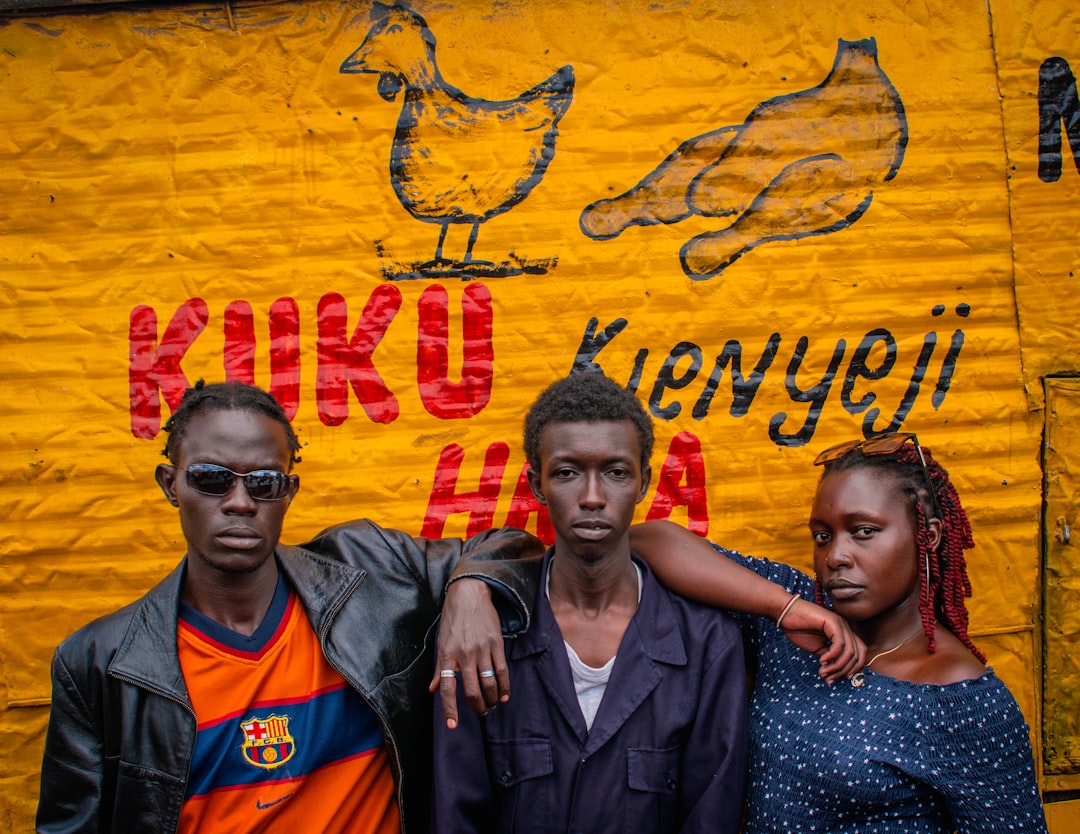

It might be tempting to label what’s happening in African music as a “revolution,” but it’s more of a powerful, well-deserved evolution. African artists aren’t just creating catchy tunes; they’re redefining global soundscapes, weaving in cultural nuances that resonate worldwide. This isn’t a sudden uprising; it’s the result of years of dedicated artistry, innovative distribution, and a growing appreciation for the continent’s diverse musical narratives.
The Foundation: More Than Just Afrobeats
While Afrobeats has certainly been a massive gateway, understanding what’s happening requires looking beyond this single genre. Africa’s musical landscape is incredibly rich and varied, with distinct sounds emerging from different regions, each with its own history and influences.
Regional Flavors Gaining Traction
- West African Melodies: Beyond Afrobeats’ dominance, artists from Nigeria, Ghana, Senegal, and Mali are blending traditional rhythms with modern production. Think of the soulful Highlife from Ghana, the intricate Kora melodies from Mali, or the dynamic Fuji music from Nigeria. These aren’t just regional curiosities anymore; they’re finding their way into international playlists and collaborations.
- East African Vibrancy: From Kenya’s Bongo Flava to Ethiopia’s unique vocal traditions and Rwanda’s emerging hip-hop scene, East Africa is contributing a distinct energy. Artists are experimenting with electronic sounds while staying true to their linguistic and cultural roots.
- Southern African Rhythms: Amapiano from South Africa has been a global phenomenon, a testament to the power of rhythmic innovation. But the scene is broader, encompassing the soulful sounds of Zimdancehall from Zimbabwe and the vibrant mbaqanga and kwaito influences that continue to inspire.
- North African Authenticity: While often overlooked in global pop discussions, artists from North Africa are increasingly making their mark. From Rai music’s enduring appeal to the rise of artists blending traditional Arabic and Amazigh sounds with modern hip-hop and electronic beats, there’s a growing international curiosity.
In exploring the dynamic landscape of contemporary music, the article “Mellow Acoustics: Unplugged Melodies for Reflection” offers a serene counterpoint to the vibrant beats of the New African Pop Revolution. This playlist highlights the power of acoustic sounds in fostering introspection and tranquility, showcasing how diverse musical styles can coexist and influence one another. For those interested in discovering a more reflective side of music, you can check out the article here: Mellow Acoustics: Unplugged Melodies for Reflection.
Shifting Dynamics: Technology and Access
The way music is created, shared, and consumed has been dramatically altered by technology, and African artists have been quick to adapt. This has democratized access and allowed for direct connections with global audiences.
Digital Platforms and Direct Engagement
- Streaming’s Reach: Streaming services have been a game-changer. They allow artists to bypass traditional gatekeepers and reach listeners directly, regardless of geographical location. This has leveled the playing field significantly.
- Social Media as a Launchpad: Platforms like TikTok, Instagram, and YouTube have become essential tools for artists to build their brand, share snippets of their music, and engage with fans. Viral trends and challenges can propel artists to international recognition almost overnight.
- Independent Distribution: The rise of independent distribution platforms means artists don’t need a major label deal to get their music out there. This empowers artists to retain more control over their careers and creative output.
- The Role of YouTube: Individuals like Addy Awofisayo, championing African music at YouTube, play a crucial role in ensuring these artists get the visibility they deserve on major global platforms. This isn’t just about algorithms; it’s about active promotion and platform support for a diverse range of sounds.
Collaborations: Bridging Continents and Genres
The interconnectedness facilitated by technology has led to a surge in collaborations, both within Africa and with international artists. These partnerships are not just for show; they represent a genuine exchange of musical ideas.
Cross-Pollination and Shared Audiences
- Intra-African Synergy: Artists from different African countries are collaborating, blending their unique styles. A prime example is the partnership between Ghanaian artist King Promise and Nigerian superstar Mr Eazi, showcasing how seemingly distinct scenes can come together to create something fresh. This internal synergy builds a stronger, more unified African music industry.
- African Artists with Global Peers: We’re seeing more and more African artists working with established names from the US, UK, and Europe. These collaborations aren’t about African artists simply trying to fit into Western molds; they’re about creating a true fusion where both artists bring their distinct elements to the table. This leads to exciting cultural exchanges and expands the reach of African music to new audiences.
- The AI Factor: The integration of AI in music production is also becoming more relevant. While this can be a complex discussion, it’s worth noting that AI tools are being explored by artists across the globe, including in Africa, for creative assistance and sound experimentation. This could lead to entirely new sonic textures and approaches to music-making.
Sure, here is the sentence with the clickable link:
I am interested in learning more about music production techniques.
The Business of Music: Navigating New Territories
The growth of African music isn’t just about creative output; it’s also about the evolving business landscape, addressing challenges and seizing opportunities.
Investing in Talent and Infrastructure
- The Money Gap: However, challenges remain. Findings like those from OkayAfrica about “Global Sound, Local Loss: Africa’s Music Money Gap” highlight the persistent issues with revenue distribution and the need for better infrastructure. Ensuring artists are fairly compensated for their work is vital for sustainable growth.
- Emerging Investment Models: There’s a growing interest from investors, both within and outside the continent, in African music. This includes investment in streaming platforms, music festivals, and artist development initiatives.
- The Importance of Copyright: Strengthening copyright laws and enforcement is crucial. As African music gains global traction, protecting artists’ intellectual property becomes paramount to ensure they benefit from their creations.
- The Role of Management and Distribution Companies: Forward-thinking management and distribution companies are playing a key role in helping artists navigate the complex global music market, securing international deals, and maximizing their reach.
The New African Pop Revolution highlights the dynamic artists who are redefining the soundscape of global music, showcasing the vibrant influences emerging from the continent. A related article that explores another fascinating musical trend is the rise of Trot music in South Korea, which captures a nostalgic wave that is resonating with audiences in 2023. This piece delves into how traditional sounds are being revitalized and embraced by a new generation, much like the innovative approaches seen in African pop. You can read more about this intriguing phenomenon in the article on Trot music here.
Beyond the Charts: Cultural Impact and Representation
The influence of African artists extends far beyond commercial success. They are cultural ambassadors, shaping perceptions and fostering a sense of pride and identity.
Redefining Global Narratives
- Authentic Storytelling: African artists are sharing their stories, experiences, and cultural heritage in authentic ways. This defies stereotypes and offers a more nuanced and richer understanding of the continent.
- Identity and Belonging: For many, the music provides a sense of identity and belonging, connecting diasporic communities and fostering pride in their African roots.
- Inspiration for the Next Generation: The success of today’s artists is inspiring a new wave of musicians and creatives, demonstrating that a career in music is not only possible but can also be globally impactful.
- Burna Boy’s Cultural Footprint: Even broader artistic endeavors, such as Burna Boy’s involvement in a 3D animated short, demonstrate how artists are extending their creative reach beyond music, weaving their stories and influences into other forms of popular culture. This isn’t about a singular “revolution” but a continuous expansion of influence.
This isn’t a fleeting trend; it’s a fundamental shift in the global music industry. African artists, armed with innovative approaches, deep cultural roots, and a growing global platform, are not just participating in the global music conversation – they are actively leading it, shaping what we listen to and how we experience sound.
Listen To The Top African Music Playlist On Spotify
FAQs
What is the African pop revolution?
The African pop revolution refers to the emergence of a new wave of African artists who are blending traditional African sounds with contemporary pop, hip-hop, and electronic music to create a unique and globally appealing sound.
Who are some of the key artists driving this revolution?
Some of the key artists driving the African pop revolution include Burna Boy, Wizkid, Tiwa Savage, Niniola, and Mr Eazi, among others. These artists are gaining international recognition and reshaping the global music landscape.
How is this revolution shaping the future of global music?
The African pop revolution is diversifying and enriching the global music scene by introducing new sounds, rhythms, and perspectives. It is challenging traditional notions of what “African music” sounds like and expanding the influence of African artists on the world stage.
What are some of the defining characteristics of the new African pop sound?
The new African pop sound is characterized by its fusion of traditional African rhythms and instruments with modern production techniques, catchy melodies, and socially conscious lyrics. It often incorporates elements of afrobeat, highlife, dancehall, and other genres.
How can people support and engage with the African pop revolution?
People can support the African pop revolution by listening to and sharing music from African artists, attending their concerts and performances, and engaging with their content on social media. Additionally, supporting initiatives that promote African music and culture can help sustain and amplify the impact of this revolution.
