
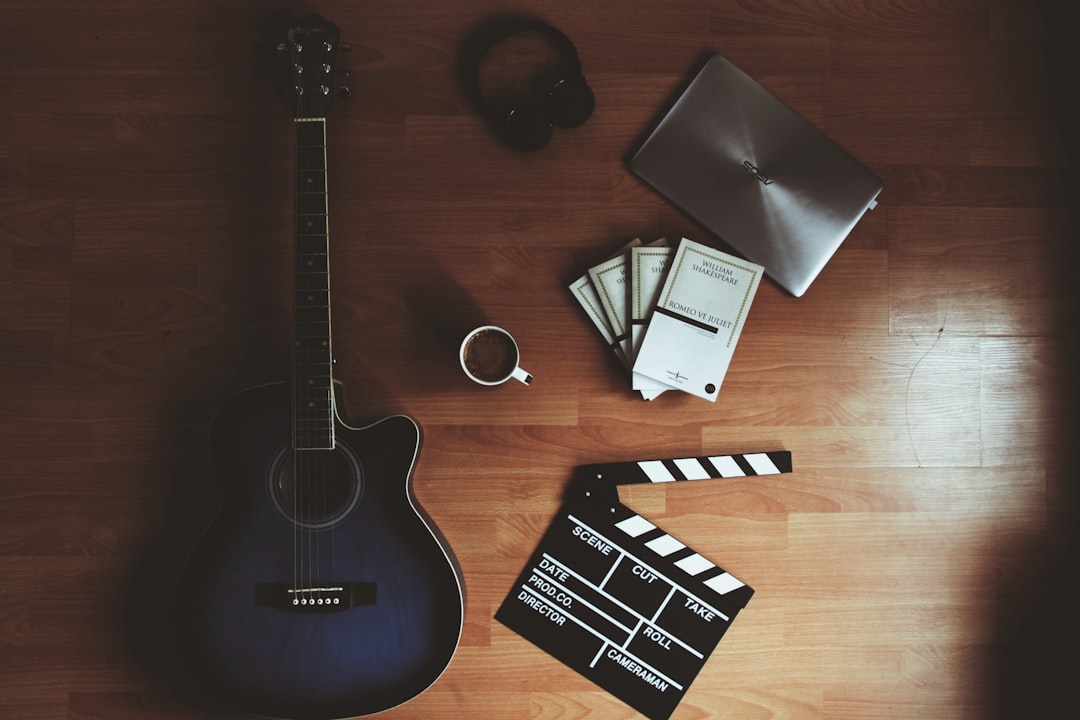

The music industry, a vibrant tapestry of creativity and commerce, presents both exhilarating opportunities and formidable challenges for new artists. While talent and passion are undeniable prerequisites, a lack of strategic acumen can quickly derail even the most promising careers. From mismanaging intellectual property to neglecting the digital landscape, the road to sustainable success is often paved with avoidable errors. Understanding and sidestepping these common pitfalls is paramount for emerging musicians aiming to carve out a lasting presence in this competitive arena. This article delves into the most significant mistakes new artists make, offering practical insights and actionable advice to help aspiring stars confidently navigate their journey.
Underestimating the Business of Music
Many new artists, understandably, are captivated by the creative process itself. They pour their heart and soul into crafting melodies, writing lyrics, and perfecting their performance. While this artistic dedication is vital, it often overshadows the fundamental truth: the music industry is, at its core, a business. Failure to acknowledge and engage with the commercial realities can lead to significant setbacks, regardless of an artist’s musical prowess.
Neglecting Legal Foundations and Contracts
One of the most critical and frequently overlooked aspects is understanding legal frameworks. Aspiring artists often jump into collaborations, performances, or even recording agreements without properly reviewing contracts. This can have long-term, detrimental consequences. As entertainment lawyer Jane Doe, with over two decades of experience, explains, “Artists often sign away crucial rights or agree to unfavorable terms simply because they haven’t sought legal counsel. A handshake deal, while seemingly amicable, offers virtually no protection when disputes arise.”
This includes everything from band agreements outlining intellectual property ownership and revenue splits to performance contracts specifying payment terms and cancellation clauses. Without clear, written agreements, future disagreements over songwriting credits, profit sharing, or even band member departures can quickly escalate into costly legal battles, potentially dissolving the project entirely. Investing in legal advice upfront, even for indie artists, is a preventative measure that pays dividends.
Ignoring Financial Planning and Budgeting
The romanticized image of the starving artist, while once prevalent, is largely unsustainable in today’s industry. New artists often overlook the necessity of sound financial planning. This extends beyond simply understanding recording costs. It encompasses budgeting for marketing, touring expenses, merchandise production, and even professional fees for mixing engineers, producers, and publicists.
Without a realistic budget, artists can quickly find themselves in debt, unable to fund essential career development activities. For instance, an artist might record an expensive album but then lack the funds to properly promote it, rendering their investment largely ineffective. Successful artists understand the need to treat their music career as a startup, meticulously tracking income and expenditure, and seeking diversified revenue streams beyond direct music sales. This might involve exploring grants, crowdfunding, or even maintaining a parallel income source until their music career becomes self-sustaining.
In exploring the challenges faced by new artists in the music industry, it’s essential to consider the impact of social media platforms on their success. A related article titled “TikTok’s Role in Making Breakout Stars: Music’s Biggest Trend in 2023” delves into how TikTok has transformed the landscape for emerging musicians, providing them with unique opportunities to reach wider audiences. You can read more about this phenomenon and its implications for new artists by following this link: TikTok’s Role in Making Breakout Stars.
Overlooking the Power of Digital Presence
In the 21st century, the internet is not just a tool; it’s the primary stage for new artists. Yet, many still fail to fully grasp the profound impact of a well-cultivated digital presence. Relying solely on traditional marketing channels or expecting organic discovery without effort is a recipe for obscurity.
Inconsistent or Non-Existent Social Media Strategy
Social media platforms are the modern-day town square for artists. They offer unprecedented opportunities to connect directly with fans, share updates, and build a community around their music. However, many new artists either neglect these platforms or use them sporadically and ineffectively. A coherent social media strategy involves identifying the most relevant platforms for their target audience, maintaining a consistent posting schedule, engaging with followers, and tailoring content to each platform’s strengths.
Simply posting a link to a new song once a month isn’t enough. It requires sharing behind-the-scenes glimpses, live performance snippets, responding to comments, asking questions, and truly fostering a sense of connection. Data from music analytics platforms consistently show that artists with engaged online communities experience higher streaming numbers and better ticket sales.
Poorly Optimized or Non-Existent Artist Website
While social media is crucial, an artist’s official website remains their central hub – their digital storefront. Many new artists either don’t have one or operate with a poorly designed, difficult-to-navigate site. An optimized artist website should be mobile-responsive, easy to update, and clearly feature music, videos, tour dates, merchandise, and contact information.
It serves as the definitive source for all official information, provides a platform for direct fan interaction (e.g., email list sign-ups), and offers a space where full creative control is maintained, unlike third-party platforms. A professional website also signals seriousness and credibility to industry professionals, from promoters to record labels.
Ignoring SEO and Metadata
The digital landscape is a vast ocean, and discoverability is key. Many new artists commit the error of uploading their music to streaming services without proper search engine optimization (SEO) or metadata. Metadata includes crucial information like genre, mood, keywords, and accurate artist bios. Without these, search algorithms struggle to categorize and recommend their music to relevant listeners.
Similarly, an artist’s name, song titles, and associated content should be optimized for search engines. This means researching relevant keywords, ensuring consistent spelling across all platforms, and using descriptive language to help potential fans find their work. Ignoring these technical aspects is akin to publishing a book without a title or author name – it makes discovery nearly impossible.
Neglecting Their Brand and Story
In a crowded marketplace where millions of songs are uploaded daily, standing out is paramount. Music alone, no matter how good, often isn’t enough. Artists who neglect to cultivate a compelling brand and narrative risk blending into the background.
Lack of a Defined Artist Identity
Every successful artist has a distinct identity – a unique aesthetic, vocal style, lyrical themes, and overall persona that sets them apart. New artists often struggle with this, either mimicking existing artists or failing to articulate what makes them unique. Discovering and refining this identity is an ongoing process, but a lack of initial effort can lead to an inconsistent image that confuses potential listeners.
This identity should inform every aspect of their artistic output, from album art and music video aesthetics to stage presence and social media voice. As marketing expert Dr. Sarah Chen notes, “Your brand is more than just your logo; it’s the sum of all experiences people have with your artistry. An authentic, consistent brand resonates much more deeply with an audience.”
Failing to Tell Their Story
People connect with stories. New artists frequently miss opportunities to share their personal journey, inspirations, and the meaning behind their music. This isn’t about fabricating narratives, but rather authentically communicating the human experience that fuels their art. Blog posts, ‘about me’ sections on websites, social media captions, and even stage banter during live performances are all avenues for storytelling.
A compelling narrative makes an artist more relatable and memorable. Fans aren’t just buying music; they’re buying into a personality, a worldview, and a connection. Sharing vulnerabilities, triumphs, and the creative process itself builds a stronger bond with the audience.
Sure, here is the sentence with the clickable link:
I am interested in learning more about music production and its essentials.
Mismanaging Relationships and Networking
The music industry is inherently built on connections. While individual talent is undeniable, collaboration and relationship building are fundamental to long-term success. Many new artists err by isolating themselves or failing to cultivate a network of peers and professionals.
Underestimating the Value of Mentorship
Many established artists and industry veterans are willing to share their knowledge and experiences. However, new artists often fail to seek out mentorship or approach potential mentors in a meaningful way. A mentor can offer invaluable guidance, practical advice, and insights into navigating the industry’s complexities, saving emerging artists from making costly mistakes.
Approaching mentors respectfully, demonstrating genuine interest, and being prepared with specific questions are key. It’s about building a relationship, not just asking for favors.
Neglecting Peer-to-Peer Networking
While major industry players are important, connections with fellow emerging artists are equally crucial. Collaborations, shared gigs, cross-promotions, and mutual support can accelerate growth for everyone involved. The industry thrives on a sense of community, and cutting oneself off from other artists means missing out on potential opportunities, shared knowledge, and crucial emotional support.
Attending local open mic nights, music conferences, and engaging with other artists online are excellent ways to build this network organically. These relationships can evolve into long-term artistic partnerships and friendships.
Poor Communication and Unprofessionalism
The music industry, despite its creative veneer, values professionalism. New artists often make mistakes in communication, such as failing to respond to emails promptly, missing deadlines, or exhibiting an unprofessional demeanor in meetings or during performances. This can quickly damage their reputation and close doors to future opportunities.
Every interaction, from an initial email query to a soundcheck, presents an opportunity to build or damage one’s professional standing. Being reliable, respectful, and prepared builds trust and makes people want to work with you again.
In exploring the challenges faced by new artists in the music industry, it’s essential to understand the broader landscape of musical trends and genres. One fascinating development is the rise of Trot music, which has been capturing the hearts of audiences in South Korea. For those interested in how nostalgic sounds are making a comeback and influencing contemporary music, you can read more about it in this insightful article on the rise of Trot music. Understanding these trends can help new artists navigate their careers more effectively and avoid common pitfalls.
Premature Expectations and Comparison
Patience is a virtue, especially in an industry where overnight success is an extreme rarity. Many new artists fall prey to unrealistic expectations or the trap of comparing their nascent careers to the established success of others.
Chasing Viral Fame Over Sustainable Growth
The allure of a viral hit is strong, but relying on a single, fleeting moment of online popularity is a risky strategy. While virality can provide an initial boost, it rarely translates into a sustainable career without a solid foundation of consistent output, audience engagement, and strategic planning. Artists who focus solely on ‘going viral’ often neglect the slower, more deliberate work of building a loyal fanbase and a robust catalog.
Sustainable growth comes from consistent effort in creating quality music, engaging with fans, and developing a long-term artistic vision, rather than chasing fleeting trends.
Comparing Themselves to Established Artists
In the age of social media, it’s easy for new artists to scroll through feeds and compare their early stages to the seemingly effortless success of established stars. This constant comparison can lead to feelings of inadequacy, burnout, and a distorted view of the industry. What new artists often don’t see is the years of struggle, practice, and rejection that precede monumental success.
Focusing on one’s own journey, celebrating small victories, and learning from setbacks is a healthier and more productive approach. Every artist’s path is unique; success isn’t a linear race but a marathon with its own rhythm and pace.
Conclusion
The journey of a new artist is undeniably challenging, requiring a unique blend of creative talent, business acumen, and relentless perseverance. However, by understanding and meticulously avoiding these common pitfalls – from legal oversights and financial mismanagement to neglecting digital presence, brand building, relationship nurturing, and unrealistic expectations – emerging musicians can significantly increase their chances of not just survival, but thriving in the dynamic world of music. The path to success is not about avoiding mistakes altogether, but about learning from them, adapting, and continuously evolving as both an artist and an entrepreneur.
Meta Description: New artists often stumble over common music industry mistakes. Discover the key pitfalls, from legal blunders to digital neglect, and learn how to build a sustainable career.
URL Slug: biggest-music-industry-mistakes-new-artists
Suggested Tags: music industry, new artists, emerging musicians, artist development, music business, music marketing, independent artists, legal advice music, music finance, artist branding
FAQs
What are some common mistakes new artists make in the music industry?
Some common mistakes new artists make in the music industry include not understanding the business side of the industry, not building a strong fan base, signing bad contracts, not investing in their craft, and not networking effectively.
How important is it for new artists to understand the business side of the music industry?
It is crucial for new artists to understand the business side of the music industry in order to protect their rights, negotiate fair deals, and make informed decisions about their careers. Without this understanding, artists may fall victim to exploitation and unfair practices.
What are some potential consequences of signing bad contracts as a new artist?
Signing bad contracts can lead to a variety of negative consequences for new artists, including loss of creative control, unfair compensation, limited career opportunities, and legal disputes. It is important for artists to seek legal counsel and fully understand the terms of any contract before signing.
How can new artists build a strong fan base in the music industry?
New artists can build a strong fan base by engaging with their audience on social media, performing live shows, releasing high-quality music, collaborating with other artists, and creating a unique brand identity. Building a loyal fan base is essential for long-term success in the music industry.
What are some effective ways for new artists to network in the music industry?
New artists can network in the music industry by attending industry events, reaching out to industry professionals, collaborating with other artists, and building relationships with music industry insiders. Networking can open doors to new opportunities and help artists advance their careers.
