
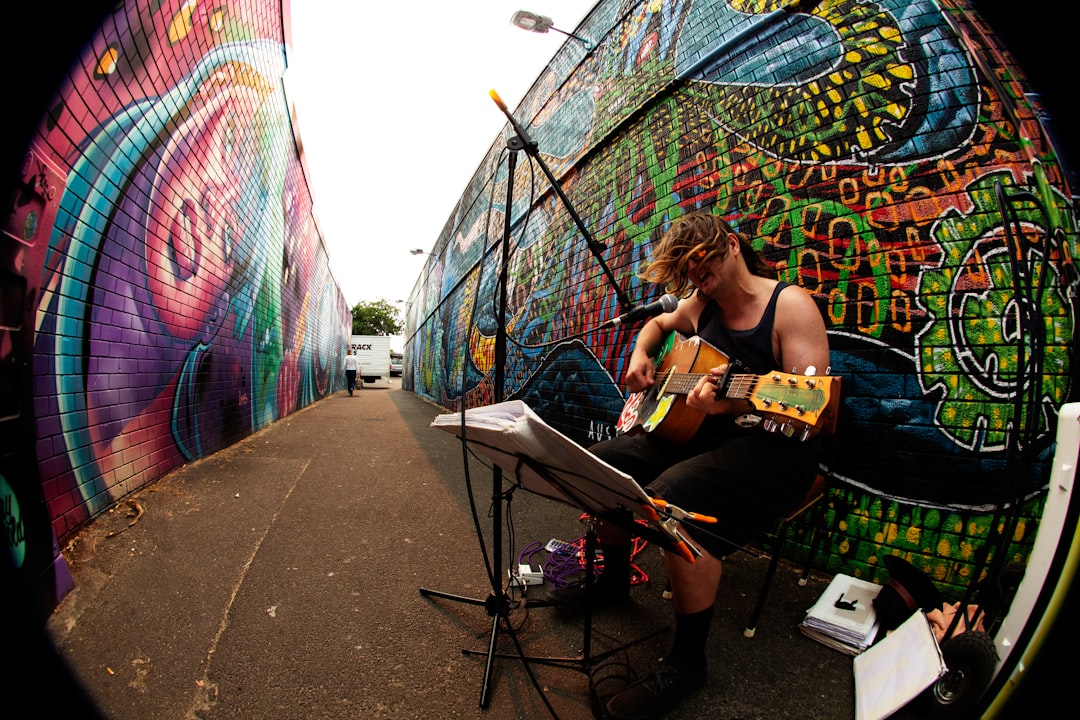

The modern music industry is a complex ecosystem, and for decades, the gatekeepers of success were undeniably the major record labels. Their hefty budgets, established distribution networks, and powerful promotional machinery seemed to be the only viable path to chart domination. However, the digital revolution has democratized music creation and distribution, empowering independent artists to carve their own paths. No longer are artists beholden to the whims and capital of a label. Today, a potent blend of talent, strategic thinking, and an intimate understanding of online platforms allows independent musicians to pierce the veil of the charts and achieve widespread recognition without the need for traditional record company backing.
The most profound shift in breaking into the charts independently lies in the accessibility of digital tools. Gone are the days of needing expensive studio time and prohibitive manufacturing costs. The contemporary independent artist leverages a sophisticated digital infrastructure to create, distribute, and promote their work.
DIY Recording and Production Prowess
The rise of affordable and powerful Digital Audio Workstations (DAWs) has put professional-grade recording and production capabilities into the hands of any artist with a laptop and a passion.
Accessible Software and Hardware
Software like Ableton Live, Logic Pro X, FL Studio, and Pro Tools have become industry standards. Coupled with relatively inexpensive microphones, audio interfaces, and studio monitors, artists can now achieve studio-quality recordings from the comfort of their own homes. This eliminates the significant financial barrier that once limited aspiring musicians.
Online Learning Resources
The internet has fostered a wealth of knowledge sharing. Platforms like YouTube offer countless tutorials on mixing, mastering, and music production techniques. Online courses and workshops from established producers further empower artists to hone their craft and achieve a polished sound that can compete with commercially released music.
The Rise of Remote Collaboration
Digital tools also facilitate remote collaboration. Artists can send project files back and forth, work with remote session musicians, and even engage with producers across the globe without ever being in the same physical space. This expands the creative pool and allows for diverse musical influences to be integrated seamlessly.
Global Distribution Made Simple
Once the music is created, getting it into the hands of listeners worldwide has never been easier. Digital distributors act as the bridge between independent artists and the vast streaming and download platforms.
Empoweing Distribution Services
Services like DistroKid, TuneCore, CD Baby, and Ditto Music allow artists to upload their music and distribute it to major platforms such as Spotify, Apple Music, Amazon Music, YouTube Music, and countless others. These services typically charge a small annual fee or a percentage of royalties, making them incredibly cost-effective compared to traditional label deals.
Strategic Release Planning
Independent artists can take a more agile approach to releases. Instead of waiting for a large album rollout, they can strategically release singles, EPs, and remixes to maintain consistent engagement with their audience. This allows for real-time feedback and adjustments to their promotional strategies.
Direct-to-Fan Sales and Merchandise
Beyond streaming, platforms like Bandcamp offer independent artists a robust way to sell their music directly to fans, often with higher royalty rates. This also provides a natural avenue for selling merchandise, further diversifying revenue streams and strengthening the artist-fan connection.
In exploring the journey of independent artists breaking into the charts without the backing of major labels, it’s fascinating to consider the case of Southdogrock, whose recent single “Die große Liebe in Musik gegossen” exemplifies this trend. Their innovative approach to music distribution and fan engagement highlights the potential for independent musicians to achieve significant success on their own terms. For more insights into their unique strategy and the impact of independent artistry on the music industry, you can read the article here: Southdogrock: Die große Liebe in Musik gegossen.
Building Your Tribe: Cultivating a Dedicated Fanbase
Chart success isn’t just about getting your music heard; it’s about resonating with listeners on a deeper level. Independent artists excel at building authentic connections with their audience, fostering a loyal community that actively supports their career.
The Power of Social Media Engagement
Social media is no longer just a promotional tool; it’s a vital hub for artist-fan interaction and community building.
Authenticity and Transparency
Independent artists often have an advantage in authenticity. They can share their creative process, personal stories, and behind-the-scenes glimpses without the polished veneer that major label artists sometimes adopt. This transparency builds trust and makes fans feel more invested.
Platform Specialization and Content Variety
Different platforms cater to different demographics and content styles. Artists can leverage Instagram for visual storytelling and short clips, TikTok for viral trends and creative challenges, Twitter for quick updates and direct engagement, and Facebook for building community groups. The key is to understand where your target audience congregates and tailor your content accordingly.
Interactive Content and Community Building
Engaging with fans through Q&A sessions, live streams, polls, and responding to comments and messages creates a sense of belonging. Artists can foster dedicated fan communities on Discord servers, private Facebook groups, or through fan club initiatives, creating a core group of advocates.
Leveraging Online Audiences
Beyond their own social media channels, independent artists can tap into existing online communities and audiences.
Influencer Marketing and Collaborations
Partnering with social media influencers whose audience aligns with the artist’s genre can expose their music to a new set of potential fans. This can range from sponsored posts to collaborative content creation.
Online Communities and Forums
Participating in relevant online forums, subreddits, and fan groups (respectfully, not just spamming) can introduce an artist’s music to engaged communities who are actively seeking new sounds.
Livestreaming and Virtual Concerts
Platforms like Twitch and YouTube allow artists to perform live, interact with viewers in real-time, and even receive donations. Virtual concerts can reach a global audience, breaking down geographical barriers.
Strategic Promotion: Getting Your Music Heard Organically
While labels have massive marketing budgets, independent artists can achieve significant reach through smart, targeted, and often organic promotional strategies.
Maximizing Streaming Platform Visibility
Streaming platforms are the primary consumers of music today, and optimizing for them is crucial.
Playlist Pitching and Curation
Getting featured on popular editorial playlists on Spotify, Apple Music, and other platforms can be a game-changer. Artists can submit their music directly through platform tools or work with playlist curators. Building relationships with independent playlist curators is also a valuable strategy.
Algorithmic Optimization
Understanding how streaming algorithms work is key. Consistent releases, listener engagement (saves, shares, repeat listens), and playlist adds all contribute to an artist’s visibility. Encouraging fans to add music to their personal playlists can also boost algorithmic reach.
Targeted Advertising and Social Media Campaigns
While not on the scale of labels, independent artists can run highly targeted advertising campaigns on social media and streaming platforms. This allows them to reach specific demographics and interests, maximizing their ad spend.
Content Marketing and Storytelling
Beyond just releasing music, independent artists can build anticipation and engagement through a consistent stream of compelling content.
Music Videos and Visualizers
High-quality music videos and engaging visualizers are essential for promoting singles and albums. These can be produced on a budget and shared across all online platforms.
Behind-the-Scenes Content and Vlogs
Documenting the creative journey, from songwriting to touring, provides fans with an intimate look into the artist’s world. This can foster a deeper connection and make fans feel like they are part of the artist’s story.
Blog Posts and Written Content
For artists who enjoy writing, blog posts can delve deeper into the meaning behind their songs, their influences, and their experiences. This can attract fans who appreciate lyrical depth and thematic exploration.
Sure, here is the sentence with the clickable link:
I am interested in learning more about music production and its essentials.
Cultivating a Niche: Finding Your Unique Sound and Audience
In a crowded marketplace, identifying and catering to a specific niche can be a powerful strategy for independent artists.
Defining Your Sonic Identity
Instead of trying to appeal to everyone, focus on honing a distinctive sound that sets you apart.
Genre Blending and Innovation
While adhering to a genre can be beneficial, don’t be afraid to experiment and blend different sonic influences to create something truly original. This can attract a dedicated fanbase seeking something fresh.
Lyrical Depth and Thematic Cohesion
Developing strong lyrical themes and a consistent artistic message can deeply resonate with a particular audience. Whether it’s storytelling, social commentary, or introspective reflection, authenticity in lyrics can build a strong connection.
Visual Aesthetics and Brand Identity
A consistent and compelling visual aesthetic – from album art to stage presence and social media branding – helps to solidify an artist’s identity and attract fans who are drawn to their overall artistic vision.
Identifying and Engaging Your Target Audience
Once your niche is defined, it’s essential to understand and connect with the people who will appreciate it most.
Market Research and Audience Analysis
Utilize analytics from streaming platforms and social media to understand who your listeners are, where they are located, and what their interests are. This data can inform your promotional efforts and content creation.
Community Building Within Your Niche
Actively engage with online communities, forums, and social media groups dedicated to your specific genre or artistic style. Become a recognized and valued member of these communities.
Targeted Outreach and Partnerships
Collaborate with other artists, influencers, and brands that align with your niche. This can introduce your music to a highly relevant and receptive audience.
Independent artists are increasingly finding innovative ways to break into the charts without the backing of major labels, leveraging social media and streaming platforms to reach their audiences directly. A fascinating example of this trend can be seen in the rise of seasonal music, such as the recent article on classic Christmas tunes that highlights how independent musicians are capturing the spirit of the holidays while gaining traction in the music industry. For more on this topic, you can read about the blend of warmth and melody in holiday music by visiting this article.
Monetization Beyond Royalties: Diversifying Income Streams
While chart placement is a measure of success, sustainable careers require diverse income streams, especially for independent artists.
Direct-to-Fan Revenue
Empowering fans to directly support your music is a cornerstone of independent success.
Merchandise Sales and E-commerce
Designing and selling unique merchandise – from t-shirts and hoodies to vinyl records and limited-edition collectibles – can be a significant revenue source. Setting up an online store through platforms like Shopify or Bandcamp is essential.
Crowdfunding Campaigns
Platforms like Kickstarter and Indiegogo allow artists to raise funds for specific projects, such as recording an album, funding a music video, or embarking on a tour. This not only provides financial backing but also builds excitement and a sense of ownership among fans.
Fan Subscriptions and Patreon
Offering exclusive content, early access to music, behind-the-scenes updates, or personalized interactions through platforms like Patreon creates a recurring revenue stream from your most dedicated supporters.
Live Performances and Touring
While challenging, live performances remain a vital way for independent artists to connect with fans and generate income.
Local Gigs and Building a Following
Starting with local shows and building a reputable name in your community is the first step. Gradual expansion to regional touring can increase reach and revenue.
House Shows and Intimate Performances
These types of performances offer a unique and intimate experience for fans and can be highly profitable on a smaller scale, fostering a strong connection.
Building Strategic Tour Routes
Carefully planning tour routes to maximize efficiency and reach target audiences in various cities is crucial for successful independent touring.
Licensing and Sync Opportunities
Getting your music placed in films, TV shows, advertisements, or video games can provide substantial income and exposure.
Building a Sync Catalog
As you release more music, you build a catalog that can be pitched for licensing opportunities.
Working with Sync Agents
Some independent artists choose to work with music supervisors or sync agents who specialize in placing music in media.
Understanding Copyright and Licensing Agreements
Thoroughly understanding the terms of licensing agreements is vital to ensure fair compensation and proper rights management.
The landscape of the music industry has irrevocably changed. The dominance of major labels is no longer a prerequisite for chart success. Independent artists, armed with digital tools, a strategic mindset, and a deep connection with their audience, are proving that it’s entirely possible to break through without the traditional gatekeepers. By embracing innovation, cultivating authenticity, and building a strong community, these artists are not just reaching the charts; they are redefining what it means to be a successful musician in the 21st century.
Check Out Our Music Producer Class!
FAQs
1. What are some strategies independent artists use to break into the charts without labels?
Independent artists often utilize social media and digital marketing to build a strong online presence and engage with their fans. They also focus on creating high-quality music and collaborating with other artists to expand their reach. Additionally, they may seek out opportunities for radio play and playlist placements to increase their visibility.
2. How important is networking for independent artists looking to break into the charts?
Networking is crucial for independent artists as it allows them to connect with industry professionals, other musicians, and potential collaborators. Building a strong network can lead to opportunities for exposure, partnerships, and support from influential individuals within the music industry.
3. What role does streaming play in helping independent artists achieve chart success?
Streaming platforms have become a key avenue for independent artists to reach a wider audience and gain recognition. By focusing on streaming strategies, such as securing placements on popular playlists and promoting their music across various platforms, independent artists can increase their chances of charting without the support of a major label.
4. How do independent artists leverage fan engagement to boost their chart performance?
Independent artists often prioritize building and maintaining strong relationships with their fans. By engaging with their audience through social media, live performances, and exclusive content, artists can cultivate a dedicated fan base that supports their music and contributes to their chart success through streaming, purchases, and word-of-mouth promotion.
5. What are some examples of independent artists who have successfully broken into the charts without label support?
Several independent artists have achieved chart success without the backing of major labels, including Chance the Rapper, Macklemore, and Tech N9ne. These artists utilized innovative marketing strategies, cultivated loyal fan bases, and focused on creating music that resonated with a wide audience, ultimately leading to their chart-topping achievements.
