
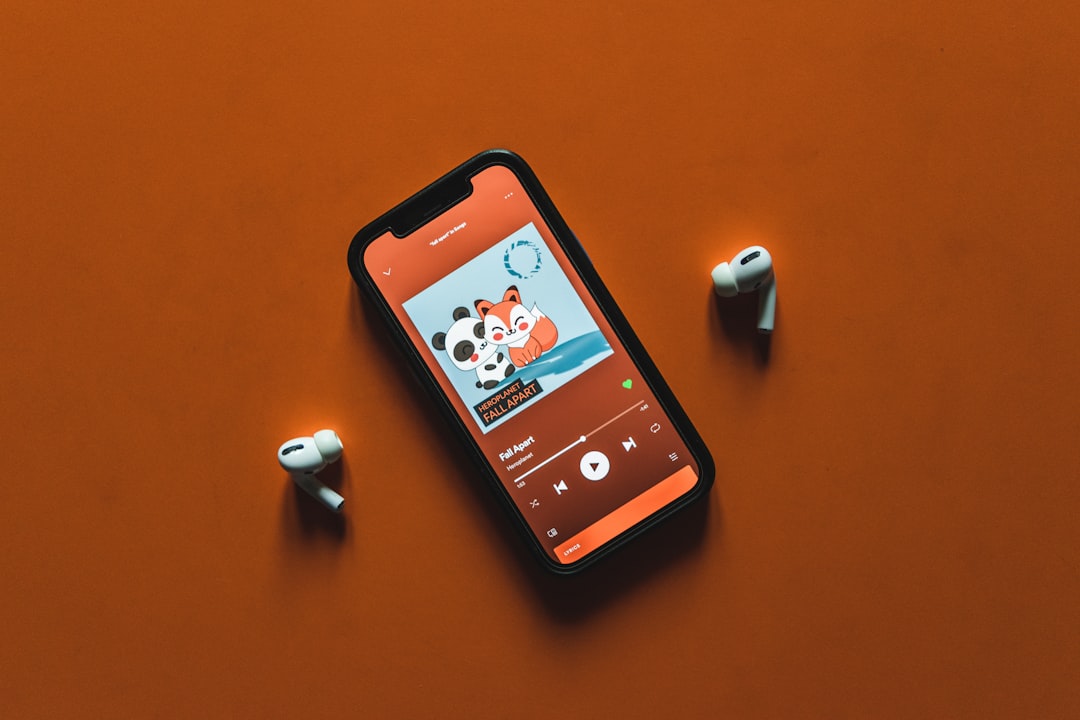

Meta Description: Discover how strategic playlist placement can revolutionize your music career. Learn how to get your songs heard and build a dedicated fanbase.
URL Slug: playlist-placement-music-career
Tags: music promotion, playlist pitching, Spotify playlists, Apple Music, music discovery, independent artists, music marketing, streaming royalties, fan engagement, music industry tips
Imagine releasing your meticulously crafted song, pouring your heart and soul into every note, only to have it disappear into the vast ocean of digital music. For many independent artists, this is a disheartening reality. But there’s a powerful, often underestimated, key to unlocking your music’s potential: strategic playlist placement. It’s not just about getting heard; it’s about reaching the right ears, at the right time, and significantly impacting your trajectory as a musician.
In today’s streaming-dominated landscape, playlists have emerged as the new gatekeepers of music discovery. They are the curated collections that listeners turn to for everything from their morning commute to their workout sessions. Getting your music featured on these influential lists can be the difference between a slow burn and a wildfire of fan engagement and career growth. This isn’t simply about luck; it’s about understanding the ecosystem and implementing smart, repeatable strategies.
The Undeniable Power of Playlist Gatekeepers
Playlists, whether curated by streaming platforms, music influencers, or even astute music fans, dictate what millions of people listen to daily. Their influence is profound, shaping trends, introducing new artists, and ultimately driving consumption. For artists, a well-placed song on a popular playlist can translate into a surge of streams, increased fan follows, and a tangible boost in visibility.
Understanding the Different Types of Playlists
Not all playlists are created equal. Recognizing the various categories and their potential impact is crucial for effective pitching.
- Editorial Playlists: These are curated by the in-house music teams at streaming giants like Spotify, Apple Music, and Amazon Music. They are highly influential and can expose your music to millions of listeners. Gaining placement here often requires a strong submission through the platform’s official channels, showcasing originality, consistency, and audience appeal.
- Algorithmic Playlists: These are dynamically generated by algorithms based on a listener’s past behavior. Examples include Spotify’s “Discover Weekly” and Apple Music’s “New Music Mix.” While you can’t directly pitch to these, consistent engagement with your music (saves, shares, repeat listens) can signal to the algorithm that your music is worth recommending.
- User-Generated Playlists: These are created by individual users, influencers, bloggers, and even other artists. While some may have smaller followings, they can be incredibly valuable for reaching niche audiences. Identifying relevant and active user-curated playlists can be a highly effective promotional tactic.
- Brand & Business Playlists: Many companies – from cafes and retail stores to airlines and fitness centers – have their own playlists for their customers. These can offer a unique, albeit less direct, way of reaching potential fans in specific environments.
How Placement Fuels Discovery and Engagement
When your song lands on a popular playlist, it’s not just a passive listening experience for the audience. It’s an active invitation to discover. Listeners often come to playlists seeking new music, making them an ideal environment for organic growth.
- Increased Listenership: The most immediate impact is a rise in stream counts. A well-placed song can go from a handful of plays to thousands, even tens of thousands, almost overnight.
- New Fan Acquisition: Each new listener is a potential fan. Playlist placement exposes your music to people who might never have found you otherwise. They might save your song, follow you on the platform, or even seek out your other releases.
- Algorithmic Boost: Streaming services’ algorithms are designed to promote music that is being actively engaged with. A jump in streams and follows from playlist placements signals to the algorithm that your music is resonating, potentially leading to placement on other algorithmic playlists.
- Social Proof: Being featured on a reputable playlist acts as social proof, indicating to potential new listeners that your music is worth their time.
In exploring the impact of playlist placement on an artist’s success, it’s interesting to consider the broader context of how music genres evolve and gain mainstream acceptance. A related article that delves into this topic is “The Evolution of Hip-Hop Music: From the Streets to the Mainstream,” which examines the journey of hip-hop from its underground roots to becoming a dominant force in popular music. You can read more about this fascinating transformation in the music industry by visiting this article.
The Strategic Approach to Playlist Pitching
Simply hoping for a playlist placement is not a strategy. A deliberate and well-researched approach is essential for maximizing your chances of success. This involves understanding the platforms, identifying the right curators, and presenting your music professionally.
Mastering the Art of the Pitch
Crafting an effective pitch requires understanding what curators are looking for and tailoring your message accordingly.
- Know Your Audience (and Their Playlists): Before you pitch, thoroughly research the playlists you’re targeting. What kind of music do they feature? What genres? What is the overall vibe? A mismatch here is a guaranteed rejection.
- Highlight What Makes You Unique: What’s your story? What’s innovative about your sound? Curators receive countless submissions. Clearly articulate what sets you apart from the crowd.
- Provide Essential Information: Include links to your music (ensure it’s easily accessible and high-quality), your artist bio, social media links, and any relevant press or achievements.
- Professionalism is Key: Maintain a polite and professional tone. Avoid overly casual language, demanding requests, or excessive flattery.
- Timing Matters: Consider when you release new music. Pitching just before or on release day is ideal for editorial playlists, as they often plan their updates in advance.
The Role of Data in Your Playlist Strategy
Data provides invaluable insights into your audience and the effectiveness of your campaigns. Leverage it to refine your approach.
- Analyze Your Streaming Data: Understand where your listeners are coming from. Which playlists are driving streams? Which demographics are engaging with your music? Tools like Spotify for Artists and Apple Music for Artists provide critical data.
- Track Your Playlist Performance: Monitor which placements are yielding the best results in terms of streams, follows, and listener engagement. This information is gold for future pitching.
- Identify Listener Habits: Use data to understand how people discover and consume music similar to yours. This can inform your choices about which playlists to target.
Navigating the Major Streaming Platforms
Each major streaming platform has its own unique ecosystem and submission process for editorial playlists. Understanding these nuances is critical.
Spotify: The King of Playlists
Spotify’s editorial playlist system is the most sought-after for many artists. Their submission process is structured and requires advance planning.
- Spotify for Artists: This is your primary portal for pitching to Spotify’s editorial team. Ensure your artist profile is verified and up-to-date.
- The Submission Window: You must submit your track at least seven days before your release date, but ideally much earlier (two to four weeks) for maximum consideration.
- Detailed Metadata: Provide comprehensive information about your track, including genre, sub-genre, mood, instruments, and description. The more accurate and detailed, the better the algorithm and human curators can understand and categorize your music.
- Release Strategy: It’s often beneficial to have a release that aligns with larger promotional efforts. Consider releasing singles leading up to an EP or album to build momentum.
Apple Music: A Curated Experience
Apple Music also places a strong emphasis on editorial curation, with a slightly different approach to submissions.
- Apple Music for Artists: Similar to Spotify, this is where you manage your presence and can submit music for editorial consideration.
- Direct Outreach: While Apple Music for Artists is the primary channel, some industry professionals also use direct contact with curators or A&R teams, though this is often reserved for established artists or those with strong industry connections.
- Focus on Quality and Story: Apple Music curators, like those at Spotify, are looking for quality, originality, and compelling narratives around your music.
Other Platforms: Expanding Your Reach
While Spotify and Apple Music dominate, don’t overlook other platforms and their playlist ecosystems.
- Amazon Music: Similar to others, Amazon Music has its own editorial team and submission process through their artist portal.
- Deezer and Tidal: These platforms also have curated playlists and submission channels that can be valuable for reaching different listener bases.
- YouTube Music: With its vast user base, YouTube Music’s playlist system, including both editorial and algorithmic components, offers significant discovery potential.
Sure, here is the sentence with the clickable link:
I am interested in learning more about music production and its essentials.
Beyond Official Channels: The Power of Independent Curators
While landing on major editorial playlists is a significant achievement, don’t underestimate the impact of independent curators. These individuals and entities often cater to more niche audiences, offering a fantastic opportunity for targeted reach.
Identifying and Connecting with Influential Curators
Finding the right people to pitch your music to requires research and outreach.
- Music Blogs and Websites: Many blogs and online publications not only review music but also maintain popular playlists. Identify those that align with your genre.
- Social Media Influencers: Look for influencers on platforms like Instagram, TikTok, and YouTube who regularly share music or create content around specific moods or activities.
- Industry Professionals: Explore playlists curated by DJs, radio show hosts, music supervisors, and even other successful artists.
- Direct Messaging and Email: Craft personalized messages highlighting why your music is a perfect fit for their specific playlist. Provide clear links and a brief, compelling description.
Building Relationships for Long-Term Success
Treating independent curator relationships as one-off transactions is a missed opportunity. Foster genuine connections for sustained support.
- Be a Fan: Engage with the curators’ content beyond just pitching. Show genuine interest in their work and the music they share.
- Offer Value: If you have a new release or an interesting story, share it. Make it easy for them to find and feature your music.
- Show Gratitude: Always thank curators for their consideration and any placements they provide. A simple thank you can go a long way.
- Reciprocate: If appropriate and genuine, share their playlists or content with your own audience.
In exploring the impact of playlist placement on an artist’s success, it’s interesting to consider how different genres are represented in various playlists. A related article discusses the rise of ambient and experimental music, shedding light on how these genres are gaining traction in the streaming world. You can read more about this phenomenon in the article on ambient and experimental music, which highlights the evolving landscape of music consumption and its implications for artists seeking wider recognition.
Measuring Success and Adapting Your Strategy
Playlist placement is not a “set it and forget it” strategy. Continuous analysis and adaptation are vital for long-term growth.
Key Metrics to Track
Understanding what success looks like and how to measure it is fundamental.
- Absolute Stream Count: The total number of times your song has been played.
- Listener Growth: The increase in the number of unique listeners engaging with your music.
- Follower Count: The number of new followers you gain across streaming platforms and social media.
- Engagement Metrics: Track saves, shares, and playlist adds. These indicate listeners’ active interest.
- Fan Acquisition Source: Where possible, try to identify which playlists are driving the most valuable types of engagement (e.g., listeners who go on to discover more of your catalog).
Adapting for Future Releases
The music industry is constantly evolving, and your promotional strategies should too.
- Learn from Every Campaign: Analyze the performance of each playlist placement. What worked? What didn’t? Use these insights to inform your next release.
- Refine Your Targeting: As you gather more data, you’ll become better at identifying which types of playlists and curators yield the best results for your specific sound.
- Experiment with Different Approaches: Don’t be afraid to try new pitching methods, target different types of playlists, or collaborate with new curators.
- Build Momentum: Think of each playlist placement as a stepping stone. Use the momentum from one placement to help secure others for future releases.
The Takeaway: Playlist Placement is Your Launchpad
In the competitive digital music arena, playlist placement is no longer an optional extra; it’s a fundamental component of a successful artist’s strategy. It’s the most efficient way to get your music in front of engaged listeners, build a dedicated fanbase, and gain the traction needed to propel your music career forward. By approaching playlist pitching with a strategic mindset, understanding the nuances of different platforms, nurturing relationships with curators, and diligently tracking your results, you can transform a forgotten track into a viral hit and build a sustainable path to musical success. It’s time to stop leaving your music’s destiny to chance and start orchestrating its journey.
What is a meta description? A meta description is a short snippet of text that appears in search engine results pages (SERPs) to summarize a web page’s content. It’s crucial for SEO as it helps users decide whether to click on your link.
This article would be valuable for… independent musicians, aspiring artists, music managers, and anyone involved in music promotion and marketing who wants to understand the impact of playlisting on streaming platforms.
FAQs
What is playlist placement?
Playlist placement refers to the inclusion of a song in a curated playlist on a streaming platform such as Spotify, Apple Music, or YouTube. This can significantly impact the visibility and reach of the song.
How does playlist placement affect a song’s success?
Being included in a popular playlist can expose a song to a larger audience, leading to increased streams, followers, and overall engagement. This can ultimately lead to chart success and increased revenue for the artist.
What are the different types of playlists that can impact a song’s success?
There are various types of playlists, including editorial playlists curated by the streaming platform itself, user-generated playlists created by listeners, and algorithmic playlists generated based on user preferences and listening habits.
How can artists and labels secure playlist placement for their songs?
Securing playlist placement often involves pitching the song to streaming platform curators, building relationships with playlist creators, and utilizing promotional tools provided by the platform. Additionally, having a strong marketing and promotional strategy can increase the chances of playlist placement.
What are the long-term benefits of playlist placement for an artist?
Playlist placement can lead to increased visibility, new fans, and sustained streaming activity for an artist’s entire catalog. It can also open up opportunities for live performances, collaborations, and partnerships within the music industry.
