
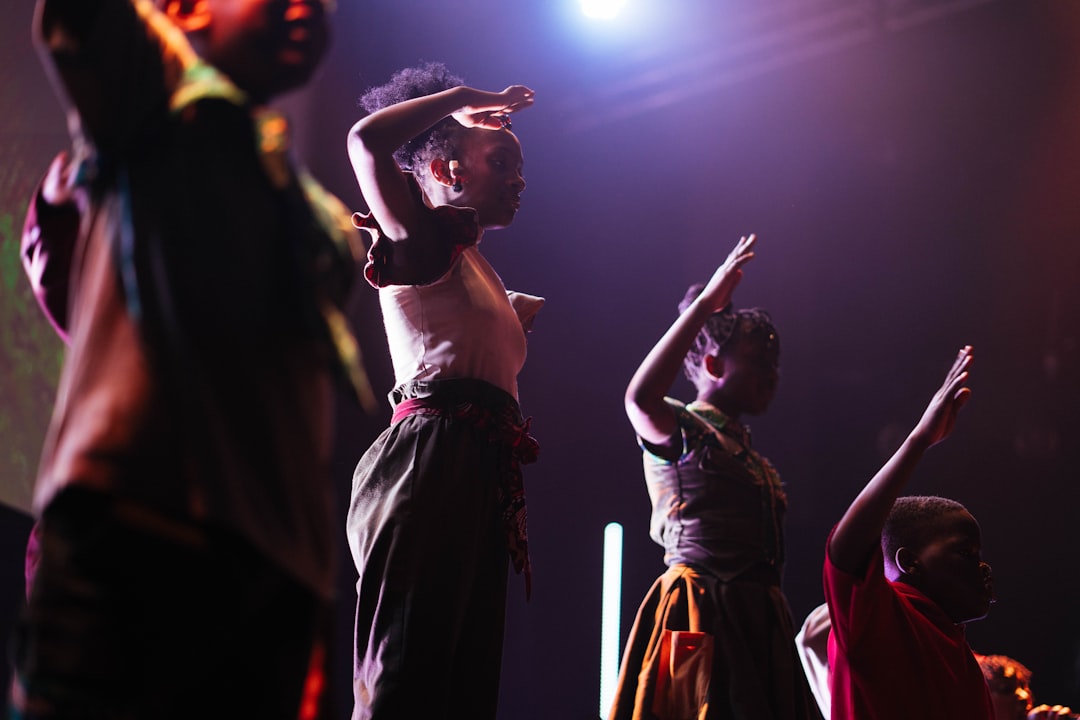

So, what African dance music still gets people moving all over the planet? It’s a mix of sounds that have either aged incredibly well or are entirely new and taking over. Think of infectious rhythms that transcend borders, from the classic grooves that laid the groundwork to the fresh fusions that are blowing up right now. We’re talking about music that’s not just heard, but felt – the kind that makes you want to tap your feet, sway your hips, and join in the celebration, no matter where you are.
Highlife music is one of those genres that just doesn’t quit. It’s got a certain sophisticated swagger combined with an undeniable rhythm that’s kept it relevant for decades. Born in Ghana and Nigeria, it’s a blend of local folk music, jazz, and later, funk and soul influences. The best of it has this amazing ability to make you feel good, to make you want to move with a natural, unforced energy.
The Legacy of Ebo Taylor
Ebo Taylor was a true titan of highlife. His music was characterized by intricate guitar work, tight horn arrangements, and a deep understanding of groove. He’d been making music for so long, and his latest U.S. album, released in early 2025, proved he still had it. His passing in February 2026 at 90 marks the end of an era, but the music he left behind, with its danceable patterns, continues to fill floors internationally. His sound is a masterclass in how to create music that’s both complex and incredibly accessible, a rare feat that ensures his influence will continue.
Other Highlife Architects
While Ebo Taylor’s name is one of the most prominent, there have been countless other artists who contributed to highlife’s enduring appeal. Think of the intricate guitar lines of Koo Nimo, or the more dancehall-inflected sounds that emerged later. This genre is less about a single breaking point and more about a steady evolution, with each artist adding their own flavor to a rich musical tapestry. Even now, you can hear highlife elements popping up in contemporary African music, a testament to its fundamental danceability.
In exploring the enduring appeal of legendary African dance classics that continue to energize dancefloors around the globe, it’s fascinating to consider how contemporary artists are adapting their music for modern audiences. A related article discusses the trend of new wave artists shortening songs to enhance their virality, which reflects a shift in how music is consumed today. For more insights on this evolving landscape, you can read the article here: The New Wave Artists Shortening Songs for Enhanced Virality.
Ethio-Jazz: The Soulful Strut
Ethio-jazz is a sonic experience, a unique fusion that emerged from Ethiopia. It’s characterized by a distinct blend of traditional Ethiopian melodies, jazz improvisation, and Latin rhythms. The result is something that feels both familiar and utterly exotic, with a soulful depth that’s perfect for a more introspective kind of dance, or simply for swaying along with genuine appreciation.
Mulatu Astatke’s Farewell
Mulatu Astatke, often called the “Father of Ethio-jazz,” is a name synonymous with this vibrant genre. His work from the 1960s and 70s laid down the blueprint for this sound, incorporating pentatonic scales and a unique rhythmic sensibility. Even at 81, his influence is so profound that his farewell show in London in late 2025 felt like a celebration of an entire musical movement. His compositions are still sampled, covered, and revered, and their influence on global dance scenes remains undeniable. The hypnotic quality of his music, with its rich instrumentation and evocative melodies, continues to resonate.
The Ongoing Influence
The beauty of Ethio-jazz lies in its complexity. It’s not just about a beat; it’s about a mood, a feeling. Astatke’s genius was in weaving together seemingly disparate musical threads to create something cohesive and deeply moving. And while he may have had his farewell performance, the music itself isn’t going anywhere. DJs and musicians worldwide continue to explore and reinterpret Ethio-jazz, introducing its sophisticated rhythms to new generations of listeners, proving its timeless appeal on any dancefloor.
Amapiano: The Current King of the Dancefloor
If there’s one genre that’s currently dominating global dancefloors, it’s amapiano. This South African sound, born in its townships, is characterized by its deep house rhythms, jazz-infused melodies, and a distinctly South African vocal patois. It’s infectious, vibrant, and has a way of making everyone want to move.
The Global Takeover
Amapiano has exploded beyond South Africa’s borders with remarkable speed. You hear it in clubs, on radio waves, and in playlists everywhere. Its distinctive log drum sound, often described as a “wobble bass,” is instantly recognizable and inherently danceable. Artists like Kabza De Small, DJ Maphorisa, and Focalistic have become household names in many parts of the world, testament to the genre’s immense popularity.
AmaBallet: A New Fusion
The AmaBallet trend, which gained viral traction in early February 2026, is a fascinating example of amapiano’s evolving influence. This new South African fusion of ballet and amapiano might sound like an unlikely combination, but it’s challenging perceptions and proving incredibly popular. It’s a testament to how deeply ingrained amapiano has become in the cultural landscape, pushing creative boundaries and demonstrating its versatility, whether in a traditional club setting or a more avant-garde performance. This innovative blend highlights how amapiano isn’t just a music genre; it’s becoming a cultural force that inspires new forms of artistic expression.
Beyond the Beat: The Culture
Amapiano isn’t just about the music; it’s a whole cultural movement. It’s associated with a certain style, a way of dancing, and a vibrant social scene. The vocalists often use a blend of Zulu, Sotho, and English, creating a unique lyrical flow that’s both relatable and rhythmic. This cultural embedding is a big part of why it’s so successful – it offers a complete package, an inviting world that people want to be a part of.
Sure, here is the sentence with the clickable link:
I am interested in learning more about music production techniques.
Afrobeat: The Rhythmic Revolution
Afrobeat, though originating decades ago, continues to be a powerhouse on global dancefloors. It’s a complex musical style that merges West African musical styles like highlife and fuji music with American funk and jazz. The sheer energy and intricate rhythms make it ideal for extended, immersive dance experiences.
Fela Kuti’s Enduring Impact
Fela Kuti is the undisputed pioneer of Afrobeat. His music was a potent mix of political commentary and irresistible rhythms. His expansive compositions, often featuring extended instrumental passages and powerful horn sections, were designed for dancing and for moving the spirit. Even though he passed away long ago, the foundations he laid remain incredibly strong. His influence can be heard in so many contemporary artists who draw inspiration from his innovative approach to rhythm and arrangement.
Modern Afrobeat Voices
Today,’s Afrobeat scene is vibrant and diverse. Artists have taken Kuti’s groundwork and infused it with contemporary sounds and perspectives. Think of the energy brought by artists who are pushing the genre forward, blending its core elements with hip-hop, R&B, and electronic music. This ongoing evolution ensures that Afrobeat remains a dynamic and relevant force, capable of captivating new audiences with its rich, danceable qualities. The intricate call-and-response patterns and the driving percussion are timeless features that continue to compel movement.
In exploring the vibrant world of dance music, one cannot overlook the influence of legendary African dance classics that continue to energize dancefloors across the globe. These timeless tracks not only celebrate rich cultural heritage but also inspire new generations of artists and dancers alike. For those looking to expand their music library with unique sounds, a related article offers insights into discovering hidden gems in the music scene. You can read more about it here.
The Visual Aspect: African Dancers Shaping Global Trends
It’s not just the music that’s making waves; the dancers themselves are becoming global influencers. The way African dance is expressed visually is increasingly setting trends online and in the broader cultural landscape.
Social Media Superstars
Platforms like Instagram have become crucial for showcasing African dance talent. In 2025, lists highlighting influential dancers featured names like Dancegod Lloyd. His work, including his involvement in Beyoncé’s videos and his Dance With Purpose academy, demonstrates how African dance is reaching mainstream global audiences. Dancegod Lloyd’s ability to fuse traditional steps with modern swagger makes his choreography captivating and widely emulated.
Innovators in Movement
Another prominent figure is BJMIAH, an innovator in Afro-popping. This style, which blends elements of Afrobeat and contemporary popping dance techniques, is redefining what it means to move to African rhythms. Such artists are vital in translating the sonic energy of African music into compelling visual performances, influencing choreography and dance styles worldwide. Their innovative approach ensures that African dance remains a dynamic and evolving art form, constantly pushing creative boundaries and inspiring new generations of dancers and enthusiasts on a global scale. Their creative output is not just about individual skill but about fostering a broader appreciation and understanding of African dance traditions in a modern context.
Listen To The Top African Music Playlist On Spotify
FAQs
What are some legendary African dance classics that still fill dancefloors worldwide?
Some legendary African dance classics that still fill dancefloors worldwide include “Zombie” by Fela Kuti, “Pata Pata” by Miriam Makeba, “Sweet Mother” by Prince Nico Mbarga, “Soweto Blues” by Hugh Masekela, and “Yeke Yeke” by Mory Kante.
What makes these African dance classics so timeless?
These African dance classics are timeless because they feature infectious rhythms, catchy melodies, and powerful lyrics that resonate with people across different cultures and generations. They also represent the rich musical heritage of Africa and continue to inspire new generations of musicians and dancers.
How have these African dance classics influenced popular music and dance worldwide?
These African dance classics have influenced popular music and dance worldwide by introducing audiences to new sounds and rhythms, inspiring artists to incorporate African elements into their own music, and serving as a source of inspiration for new dance styles and choreography.
What role do African dance classics play in preserving and celebrating African culture?
African dance classics play a crucial role in preserving and celebrating African culture by showcasing the diversity and richness of African musical traditions, promoting cultural exchange and understanding, and serving as a source of pride and identity for people of African descent around the world.
How can people experience and appreciate African dance classics today?
People can experience and appreciate African dance classics today by listening to the music, learning about the artists and their cultural backgrounds, attending live performances and dance events, and participating in dance classes and workshops that focus on African dance styles.
