
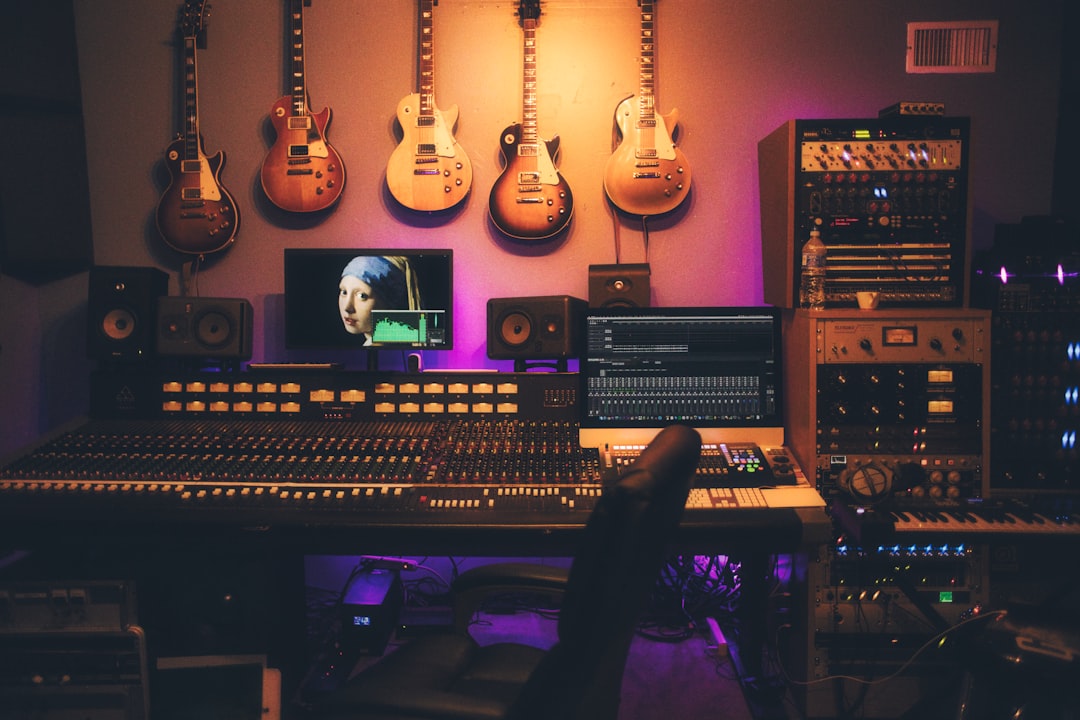

Patience is often touted as a virtue, but in the realm of music production, it becomes a necessity. The process of creating a track is rarely linear; it’s a winding path filled with unexpected turns and detours. I’ve learned that rushing through the stages of production often leads to half-baked ideas and unsatisfactory results. It’s tempting to want to hear the final product immediately, to feel that rush of accomplishment, but the truth is that good things take time. Each layer of sound, every note, and every silence has its place, and hurrying through them can lead to a cacophony rather than a symphony.
In my experience, the most rewarding moments in music production come when I allow myself the space to breathe. I’ve spent countless hours tweaking a single synth line or reworking a drum pattern, and while it can feel tedious, it’s in those moments of patience that the magic often happens. I’ve come to appreciate the slow unfolding of creativity, where ideas simmer and evolve over time. It’s not about forcing inspiration; it’s about nurturing it, allowing it to grow at its own pace. This is where true artistry lies—not in the frantic rush to finish but in the quiet dedication to craft.
In the realm of music production, patience is often an overlooked virtue, as highlighted in the article “Nobody Tells You That Producing Music Is Mostly Waiting.” This piece delves into the often tedious yet essential waiting periods that accompany the creative process, from refining tracks to awaiting feedback. For those interested in exploring how different genres evolve over time and the patience required in their production, the recent resurgence of Bossa Nova is a fascinating case study. You can read more about this revival in the article available at Bossa Nova Renascida 2023: The Return of Brazilian Classics.
Key Takeaways
- Patience is crucial for achieving high-quality results in music production.
- Embracing the creative process helps manage expectations and fosters better outcomes.
- Effective time management in the studio maximizes productivity and creativity.
- Overcoming frustration and setbacks is essential for maintaining motivation.
- Collaboration and perseverance lead to rewarding, well-crafted musical productions.
Understanding the Creative Process
The creative process is an enigma, often defying logic and reason. I’ve found that trying to dissect it too much can lead to frustration. Creativity doesn’t adhere to a schedule or follow a formula; it ebbs and flows like the tide.
There are days when ideas come flooding in, and others when I’m left staring at a blank screen, wondering if I’ve lost my touch.
It’s a rollercoaster ride, and I’ve learned to accept that this unpredictability is part of the journey.
What I’ve come to realize is that understanding my own creative rhythm is crucial. Some days, I’m more productive in the early hours, while other times, inspiration strikes late at night. Embracing this variability has allowed me to work with my natural inclinations rather than against them. I’ve stopped trying to force creativity into a box; instead, I let it flow freely, knowing that each phase of the process has its value. Whether I’m brainstorming ideas or meticulously editing tracks, I recognize that every moment contributes to the larger picture.
Managing Expectations and Deadlines
Expectations can be both a guiding light and a heavy burden in music production. I’ve often found myself caught between the desire to create something extraordinary and the pressure of looming deadlines. It’s easy to fall into the trap of comparing my work to others, feeling inadequate when my progress doesn’t match up to someone else’s highlight reel. But here’s the thing: everyone has their own timeline, and measuring my worth against someone else’s success is a futile exercise.
Managing expectations means being realistic about what can be achieved within a given timeframe. I’ve learned to set achievable goals for myself, breaking down larger projects into smaller, manageable tasks. This approach not only alleviates some of the pressure but also allows me to celebrate small victories along the way. Deadlines can be motivating, but they shouldn’t dictate my creative process. Instead of viewing them as constraints, I try to see them as opportunities for focus and clarity.
Utilizing Time Wisely in the Studio
Time in the studio can feel both abundant and scarce. There are days when I have hours to experiment with sounds and ideas, while other times, I’m left with mere minutes to capture a fleeting thought before it slips away. I’ve learned that how I utilize this time can make all the difference in my productivity and creativity. It’s not just about being present; it’s about being intentional with every moment spent in front of my equipment.
One strategy that has worked for me is creating a structured yet flexible schedule for my studio time. I allocate specific blocks for different tasks—whether it’s recording vocals, mixing tracks, or simply brainstorming new ideas. This structure helps me stay focused and prevents me from getting lost in endless tinkering. However, I also leave room for spontaneity; sometimes, the best ideas come when I least expect them. By balancing structure with freedom, I find that I can make the most of my time without feeling overwhelmed.
In the world of music production, patience is often an overlooked virtue, as highlighted in the article “Nobody Tells You That Producing Music Is Mostly Waiting.” This theme resonates with the ongoing changes in the industry, which are explored in another insightful piece about the evolution of music and how technology is shaping the future of sound. For those interested in understanding the broader context of music production, this article provides valuable insights into how advancements are influencing the creative process. You can read more about it