
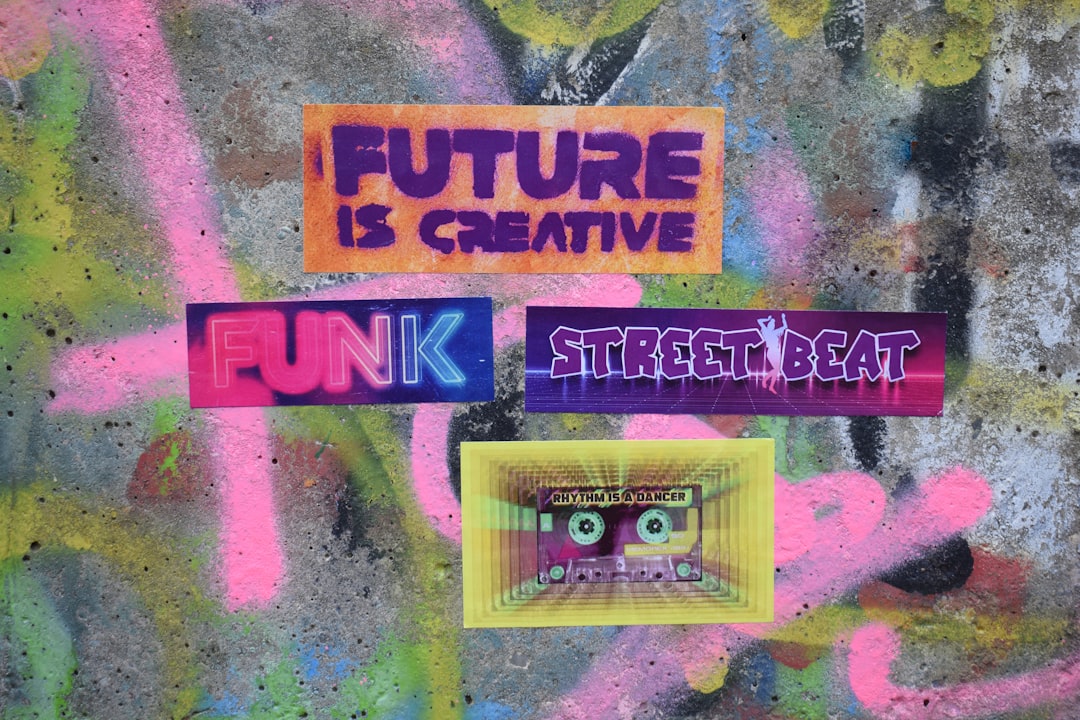

The rhythm of innovation never pauses in the music industry. As we look ahead to 2026, the sounds that will define our playlists, fill our concert halls, and soundtrack our digital lives are already beginning to take shape. From the evolution of AI in creation to the deepening integration of gaming and the persistent, powerful trends of personalization and community, the next few years promise a fascinating sonic landscape. This isn’t just about predicting new genres; it’s about understanding how technology, listener behavior, and artist intent will converge to create an entirely new auditory experience.
Artificial intelligence in music is no longer a futuristic fantasy; it’s a rapidly developing reality. In 2026, we’ll see AI move beyond simple generation to become a genuine collaborator for artists, enhancing creativity and streamlining the production process. This shift will democratize music creation further, while also raising profound questions about authorship and artistic intent.
AI as a Creative Partner
Imagine an AI assistant that can suggest melodies based on your mood, brainstorm lyrical themes, or even generate intricate instrumental arrangements in a style you admire. This is the direction AI is heading. Instead of replacing human artists, AI will act as an intelligent muse, offering new pathways for exploration.
- Example: A songwriter stuck on a bridge could feed their existing lyrics and melody into an AI system, which then generates several bridge options in a complementary style. The artist then selects, refines, and integrates the best elements, retaining full creative control.
Democratizing Production Tools
The barrier to entry for music production has been steadily dropping, and AI will accelerate this trend. Sophisticated AI-powered mixing and mastering tools will become more accessible, allowing independent artists to achieve professional-sounding results without extensive technical knowledge or expensive studio time.
- Tip: Aspiring producers should explore the growing ecosystem of AI-assisted plugins and software. Familiarizing yourself with these tools now will offer a competitive edge as they become standard.
Ethical Considerations and Authorship
As AI plays a more significant role, discussions around copyright and ownership will intensify. Who owns the rights to a song co-created with an AI? How do we credit AI contributions? These are complex legal and philosophical challenges that the industry will grapple with.
- Expert Opinion: “The legal frameworks around AI-generated art are still nascent. We’re likely to see new licensing models and digital watermarking techniques emerge to address authorship in AI-assisted music,” suggests Dr. Anya Sharma, a leading digital media ethicist.
In exploring the future of music, one cannot overlook the insights presented in the article “Die große Liebe in Musik gegossen,” which delves into the emotional connections that shape musical trends. As we anticipate The Biggest Music Trends of 2026, this piece highlights how artists are increasingly drawing from personal experiences to create resonant and relatable music. For a deeper understanding of how these emotional narratives influence the industry, you can read the full article here: Die große Liebe in Musik gegossen.
Immersive Realities: Gaming, the Metaverse, and Beyond
The lines between listening to music and experiencing it will blur further in 2026, largely driven by the expanding influence of gaming and virtual worlds. These platforms offer unique opportunities for artist engagement, fan interaction, and the creation of entirely new sonic environments.
In-Game Concerts and Artist Avatars
Virtual concerts have already proven their power, with artists hosting elaborate performances within gaming platforms. In 2026, expect these events to become more sophisticated, featuring interactive elements and deeper artist integration. Artists will also leverage enhanced digital avatars to connect with fans in persistent virtual spaces.
- Statistic: The global market for virtual concerts within games is projected to reach billions within the next few years, indicating a significant shift in live music consumption.
As we explore the biggest music trends of 2026, it’s interesting to consider how these trends might influence various aspects of culture, including travel and leisure. For instance, the rise of immersive music experiences is likely to shape the way people enjoy parties at stunning locations. A related article discusses some of the finest party beaches worldwide, showcasing how music and travel intertwine to create unforgettable experiences. You can read more about these vibrant destinations in this article.
Soundscaping the Metaverse
As the metaverse evolves, so too will its audio. Developers will increasingly focus on creating rich, dynamic soundscapes that adapt to user interaction and virtual environments. This opens up a niche for sound designers and composers specializing in ambient and reactive audio.
- Actionable Takeaway: Artists looking to expand their reach should consider how their music can be integrated into these virtual worlds, perhaps by creating bespoke tracks for specific metaverse experiences or developing branded in-world audio assets.
Gamified Music Discovery
Imagine a music streaming app that uses gamified mechanics to help you discover new artists. Leaderboards, challenges, and rewards for exploring diverse genres could become commonplace, making the act of finding new music more engaging and participatory.
The Reign of Personalization and Curated Experiences
The era of the one-size-fits-all
FAQs
1. What are the biggest music trends of 2026?
In 2026, the biggest music trends include the rise of virtual concerts and live streaming events, the increasing popularity of AI-generated music, the continued dominance of streaming platforms, the growth of K-pop and Latin music influence, and the emergence of sustainable and eco-friendly music festivals.
2. How has the music industry adapted to virtual concerts and live streaming events?
The music industry has adapted to virtual concerts and live streaming events by investing in high-quality production, creating interactive experiences for fans, and exploring new revenue streams through virtual merchandise and VIP experiences. Artists and music venues have also embraced virtual reality technology to enhance the immersive nature of these events.
3. What is AI-generated music and how is it impacting the music industry?
AI-generated music refers to music that is composed, produced, or enhanced with the help of artificial intelligence. This technology is impacting the music industry by enabling faster music creation, personalized music recommendations, and the ability to analyze and predict music trends. It has also sparked discussions about copyright and ownership in the music creation process.
4. How are streaming platforms continuing to dominate the music industry in 2026?
Streaming platforms continue to dominate the music industry in 2026 by offering a wide range of music content, personalized playlists, and exclusive releases. They have also expanded into podcasting, live events, and original content creation, further solidifying their position as the primary way people consume music.
5. What role do K-pop and Latin music play in the music trends of 2026?
K-pop and Latin music have continued to influence global music trends in 2026, with their catchy beats, vibrant visuals, and dedicated fan bases. These genres have seen increased collaboration with Western artists, expanded international tours, and a growing presence in mainstream media, solidifying their impact on the global music landscape.
