
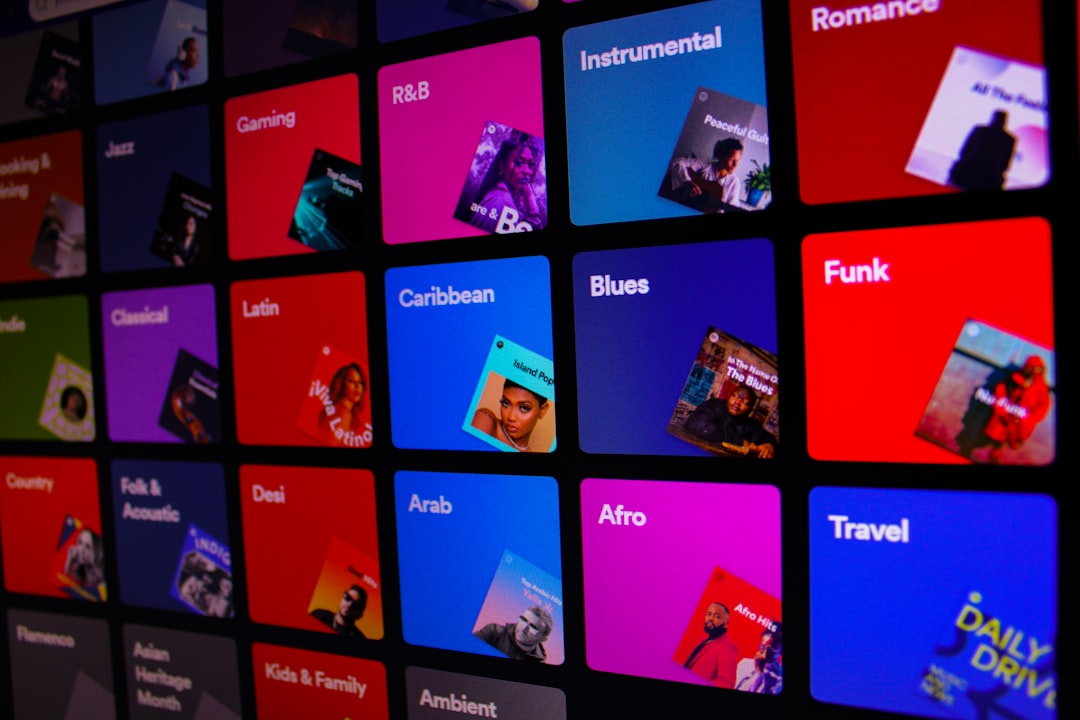

In the ever-evolving landscape of the music industry, the concept of a “global hit” has transformed dramatically. No longer solely reliant on radio airplay or MTV rotations, the path to widespread recognition is now intricately woven with digital platforms. At the heart of this digital revolution lies the humble playlist – a curated collection of songs that has emerged as a powerful gatekeeper, kingmaker, and ultimately, a vital catalyst in shaping the next global sensation.
The Rise of the Playlist Economy: A New Paradigm for Discovery
Gone are the days when a record label’s marketing budget alone could guarantee a song’s success. The democratization of music distribution has given rise to an ecosystem where independent artists and major label acts alike vie for attention in a vast ocean of content. Within this context, playlists have become the new tastemakers, influencing listening habits and guiding audiences to new sounds.
From Niche Curation to Mass Appeal: The Spectrum of Playlists
The world of playlists is incredibly diverse. It encompasses everything from highly niche, genre-specific collections curated by individuals with an encyclopedic knowledge of a particular sound, to massive, algorithmically generated behemoths designed for broad appeal. Understanding this spectrum is crucial to appreciating their collective power.
- Algorithmic Powerhouses: Platforms like Spotify, Apple Music, and Amazon Music employ sophisticated algorithms that personalize playlists for each user based on their listening history, preferences, and even their current mood. These “For You” playlists are incredibly influential, often introducing users to new artists and genres they might not have discovered otherwise. The sheer scale of these algorithmic recommendations can propel a song from obscurity to ubiquity in a remarkably short time.
- Editorial Gatekeepers: Beyond algorithms, the major streaming services also employ teams of human curators who meticulously craft editorial playlists. These playlists, often branded and highly prominent on the platforms’ homepages (e.g., Spotify’s “Today’s Top Hits,” “RapCaviar,” “New Music Friday”), carry significant weight. Getting placed on one of these can be a game-changer, exposing an artist to millions of potential new fans.
- Independent Curators and Influencers: A vibrant ecosystem of independent playlist curators and social media influencers has also emerged. These individuals, often with smaller but highly engaged followings, can wield considerable influence within their specific communities. Their authentic recommendations can build loyal fanbases and even catch the attention of larger editorial curators.
The Data-Driven Approach: Unpacking Listener Behavior
The beauty of the playlist economy is its data-rich nature. Every skip, save, and share provides valuable insights into listener behavior. This data not only informs algorithmic recommendations but also allows artists and labels to understand how their music is being received and consumed.
- Audience Segmentation: Playlists naturally segment audiences. A song performing well on a “Workout” playlist suggests a high-energy, motivational appeal, while success on a “Chill R&B” playlist points to a more laid-back, atmospheric vibe. This segmentation allows artists to refine their marketing strategies and target specific listener demographics.
- Predictive Analytics: The performance of a song on various playlists can offer predictive insights into its potential for broader success. A track that gains traction on several independent, genre-specific playlists might signal its readiness for a major editorial placement. Labels actively monitor these trends to identify rising stars.
In exploring the dynamics of how playlists contribute to the emergence of global hits, it’s interesting to consider the insights shared in a related article about the indie music scene. The piece discusses the Michigan-based band The Aimcriers and their new album, shedding light on current trends in indie music and how these trends intersect with playlist culture. For more information, you can read the article here: Michigan Rock: The Aimcriers on New Album and Indie Music Trends.
The Strategic Art of Playlist Placement: More Than Just Luck
Securing a spot on a high-profile playlist is not merely a stroke of luck; it’s a strategic endeavor that involves meticulous planning, relationship building, and a deep understanding of how the playlist ecosystem operates.
Crafting the Perfect Pitch: Standing Out in a Sea of Submissions
With thousands of songs being released daily, artists and their teams face fierce competition for playlist slots. A compelling pitch is essential to cut through the noise.
- Storytelling and Context: Beyond simply submitting a track, artists need to tell a story. What is the song about? What inspired it? What genre does it fit into? Providing context helps curators understand the emotional and thematic essence of the music.
- Highlighting Unique Selling Points: What makes this track standout? Is it a fresh sound? An innovative production? A relatable lyric? Identifying and articulating these unique selling points can grab a curator’s attention.
- Early Engagement and Building Buzz: Generating initial buzz around a release can significantly increase its chances of playlist consideration. This might involve pre-release promotion, engaging with fans on social media, and securing early press coverage. Curators are more likely to support a track that already shows promising signs of listener interest.
Nurturing Relationships: The Human Element of Curation
While algorithms are powerful, human curators still hold significant sway. Building genuine relationships with these individuals can be invaluable.
- Networking and Industry Events: Attending music industry conferences and networking events provides opportunities to connect with curators, A&R representatives, and other key figures. These personal interactions can lead to valuable introductions and insider knowledge.
- Respecting Curatorial Vision: Understanding the specific taste and editorial vision of a playlist is crucial. Submitting a heavy metal track to a “Coffeehouse Acoustic” playlist is a waste of everyone’s time. Tailoring submissions to relevant playlists demonstrates respect for the curator’s expertise.
- Providing Value Beyond the Song: Artists who engage with curators beyond just their own music, perhaps by recommending other artists or offering thoughtful insights, can build stronger, more reciprocal relationships.
In exploring the influence of playlists on the music industry, it’s interesting to consider how different genres are experiencing revivals, such as the recent synthwave resurgence. This phenomenon highlights the power of curated playlists in shaping listener preferences and driving new hits. For a deeper understanding of this trend, you can read about the captivating synthwave revival in the article here, which discusses how nostalgic sounds are finding their way back into the mainstream and influencing contemporary music.
The Iterative Cycle of Optimization: Learning from Performance Data
Playlist optimization isn’t a one-time event; it’s an ongoing process of learning and adaptation. Artists and labels continuously track their playlist performance to refine their strategies.
- Monitoring Key Metrics: Key performance indicators (KPIs) like stream counts, skip rates, listener retention, and saves to library provide valuable data. High skip rates on a particular playlist might indicate a mismatch between the song and the playlist’s target audience.
- A/B Testing and Experimentation: Artists can experiment with different song versions, artwork, or even release times to see which combinations perform best on various playlists. This data-driven approach allows for continuous improvement.
- Understanding Algorithmic Feedback Loops: A song’s initial performance on smaller playlists can influence its chances of being picked up by larger algorithmic or editorial playlists. Understanding these feedback loops allows artists to strategically build momentum.
The Global Impact: Breaking Down Borders and Bridging Cultures
Perhaps one of the most significant contributions of playlists to the music industry is their ability to transcend geographical boundaries and cultural divides.
From Local Buzz to International Phenomenon: The Power of Cross-Pollination
A song that gains traction on a regional playlist can quickly reverberate across the globe. The interconnectedness of digital platforms enables rapid cross-pollination of music.
- Viral Spreading through User-Generated Playlists: User-generated playlists, particularly those shared on social media platforms like TikTok, can act as powerful viral vectors. A snippet of a song gaining traction in one country can quickly be remixed, recontextualized, and shared internationally, leading to explosive growth.
- Algorithmic Discovery Across Regions: Streaming algorithms don’t adhere to national borders. If an artist’s music resonates with listeners in one country, the algorithm may start recommending it to similar taste profiles in other regions, even if the artist has no prior presence there.
- Editorial Nods from International Curators: Major streaming services have editorial teams across the globe. A song that performs well in one territory might catch the eye of an international editor, leading to placement on global playlists and further expanding its reach.
Language is No Barrier: The Universal Appeal of Rhythm and Melody
In the playlist era, language barriers have become less formidable obstacles to global success. A catchy melody, an infectious rhythm, or a unique production can resonate regardless of the lyrics.
- Instrumental Hits and Genre-Bending Sounds: Instrumental tracks or songs with minimal vocals can find success purely based on their musicality. Similarly, genre-bending sounds that fuse elements from various cultures can appeal to a diverse global audience.
- The Power of Emotion and Vibe: Music is an emotional language. A song that evokes a specific feeling – joy, melancholy, motivation – can connect with listeners from any background. Playlists often focus on curating for mood and atmosphere, further amplifying this emotional connection.
- Subtitles and Translations: Enhancing Engagement: While not always necessary, the availability of lyrics and translations on streaming platforms can enhance engagement for non-native speakers, allowing them to delve deeper into the song’s meaning and connect on a more profound level.
Sure, here is the sentence with the clickable link:
I am interested in learning more about music production techniques.
The Future of Global Hits: The Evolving Role of Playlists
As technology continues to advance and listener behavior shifts, the role of playlists in creating global hits will undoubtedly continue to evolve.
The Emergence of AI-Powered Curation and Hyper-Personalization
While human curators remain vital, the increasing sophistication of AI will likely lead to even more hyper-personalized and dynamic playlist experiences.
- Predictive Contextual Curation: AI could potentially predict not only what music a user likes but also what they might want to listen to based on their activity, location, time of day, and even physiological data. Imagine playlists tailored to your mood during a specific commute or an upcoming social event.
- Dynamic Playlist Generation: Playlists could become less static and more fluid, continuously adapting to a user’s real-time preferences and environmental factors. This could lead to a constant flow of new music discovery.
- Ethical Considerations and Transparency: As AI plays a larger role, it will be crucial to address ethical considerations around algorithmic bias and ensure transparency in how music is recommended and promoted.
Beyond Audio: The Integration of Visuals and Interactive Experiences
The future of playlists may extend beyond just audio, incorporating visual elements and interactive experiences to engage listeners on multiple sensory levels.
- Video Playlists and Short-Form Content: The rise of short-form video platforms like TikTok and YouTube Shorts suggests a future where visual elements are increasingly integrated with music consumption. Playlists could become multimedia experiences, combining audio with curated video clips, fan art, or interactive visualizers.
- Gamified Discovery: Playlists could incorporate gamified elements, allowing users to “earn” new music recommendations or unlock special content through active engagement. This could encourage deeper exploration and discovery.
- Augmented Reality and Immersive Experiences: Imagine playlists that transport you to a virtual concert venue or allow you to interact with the song’s elements in an augmented reality environment. The possibilities for immersive music experiences are vast.
In conclusion, playlists have moved far beyond their initial function as simple song collections. They are now central to the music industry’s power structure, wielding immense influence over discovery, distribution, and ultimately, the creation of global hits. From algorithmic recommendations to human curation, strategic placement, and the ability to break down cultural barriers, playlists are not just a tool; they are a fundamental force shaping the sounds of tomorrow. As technology continues to advance, their role will only become more dynamic and impactful, ushering in an exciting new era for both artists and listeners worldwide.
Check Out Our Music Producer Class!
FAQs
What are playlists in the music industry?
Playlists are curated collections of songs that are grouped together based on a theme, genre, mood, or other criteria. They are often created by streaming platforms, music enthusiasts, or industry professionals.
How do playlists contribute to creating global hits?
Playlists have a significant impact on the success of a song. When a song is added to a popular playlist, it increases its visibility and reach, leading to more streams and potential for global recognition. This exposure can help propel a song to become a global hit.
What role do streaming platforms play in playlist creation?
Streaming platforms like Spotify, Apple Music, and others play a crucial role in playlist creation. They use algorithms and human curation to create playlists that cater to different listener preferences, which can significantly influence the popularity of a song.
How do artists and record labels leverage playlists to promote their music?
Artists and record labels actively seek to have their songs added to popular playlists as a way to promote their music. They often engage in playlist pitching, promotional campaigns, and collaborations with playlist curators to increase the chances of their songs being featured.
Are playlists a reliable indicator of a song’s potential for global success?
While being featured on popular playlists can certainly boost a song’s visibility and popularity, it is not a guarantee of global success. Other factors such as marketing efforts, fan engagement, and industry support also play a significant role in determining a song’s potential for global hit status.
