
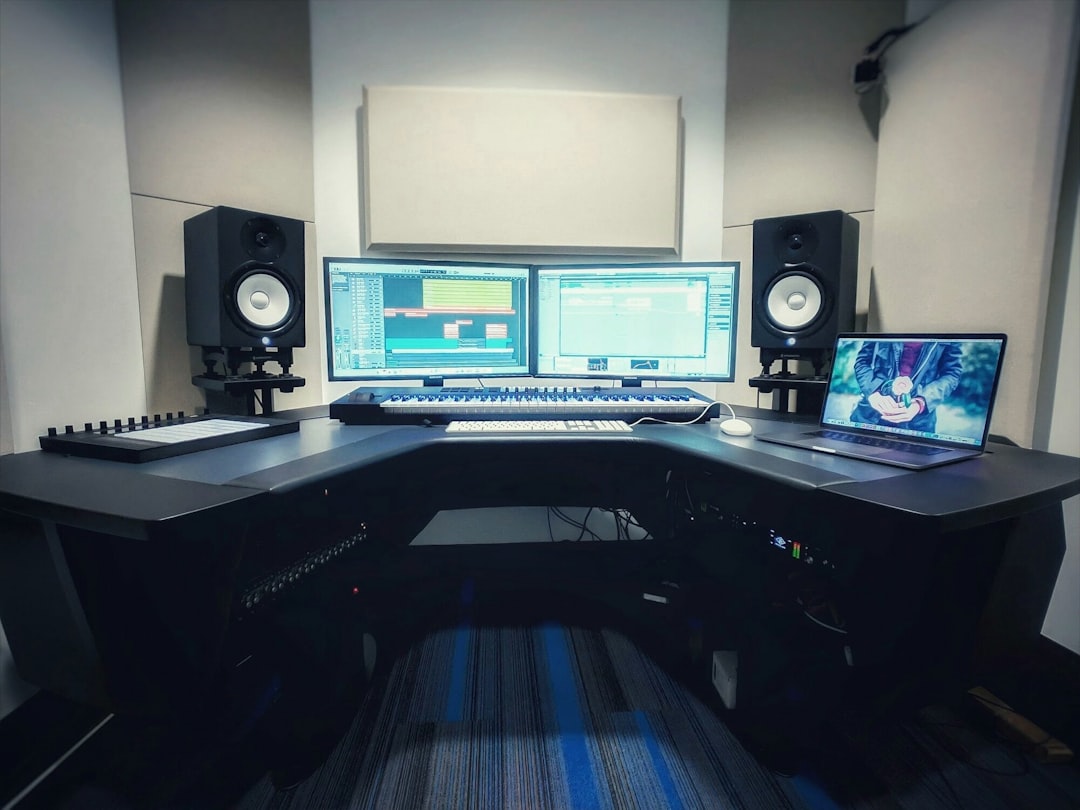

In the world of amateur production, there exists a pervasive urge to complete projects at breakneck speed. I often find myself caught in this whirlwind, driven by an insatiable desire to see my ideas come to fruition. It’s as if the clock is ticking louder with each passing moment, urging me to cross the finish line before the world moves on to the next shiny distraction. This impulse is not unique to me; it’s a shared experience among many who dabble in creative endeavors. The allure of completion can be intoxicating, promising a sense of accomplishment that feels almost tangible. Yet, I know deep down that this rush often leads to a superficial engagement with my work.
The irony is that in my haste, I often overlook the very essence of what makes my projects meaningful. I’ve learned that the thrill of finishing can overshadow the importance of the journey itself. It’s easy to convince myself that a completed project is better than an unfinished one, but this mindset can be misleading. The temptation to rush can lead to a cycle of dissatisfaction, where I find myself constantly chasing the next project rather than savoring the nuances of the one at hand. In this race against time, I sometimes forget that true artistry requires patience and reflection, not just a relentless push toward completion.
In the realm of music production, the stage of “almost finished” can often lead to pitfalls that hinder the creative process, as discussed in the article “Why ‘Almost Finished’ Is the Most Dangerous Stage of a Track.” This stage can be particularly tricky, as artists may struggle with perfectionism or lose sight of their initial vision. For those interested in exploring how artists navigate their creative journeys, a related article highlights Julian Guba’s new electronic dance-pop release, “I Don’t Work for You,” which serves as an empowering anthem of independence. You can read more about it here.
Key Takeaways
- Rushing to finish can lead to mistakes and oversights
- Overlooking important details can have negative consequences
- Compromising overall quality can damage the final product
- Rushing can stifle creativity and limit potential opportunities
- The final product’s reception can suffer from rushed work
- Maintaining motivation and focus is a challenge when rushing
- Seeking feedback and taking breaks can improve the final product
- Patience and perseverance are valuable in producing high-quality work
The danger of overlooking important details
In my eagerness to wrap things up, I’ve often found myself glossing over crucial details that could elevate my work from mediocre to exceptional. It’s a common pitfall, one that many amateur producers stumble into without realizing it. I’ve learned that the small elements—the subtle transitions, the carefully chosen sound effects, or even the pacing of a scene—can make all the difference in how a project resonates with its audience. Yet, in the rush to finish, these details can easily slip through the cracks, leaving behind a product that feels incomplete or disjointed.
This oversight can be particularly disheartening when I look back at my work and recognize the missed opportunities for depth and richness. It’s as if I’ve painted a beautiful canvas but forgot to add the final touches that would bring it to life. The danger lies not just in the immediate impact of these omissions but in the long-term implications for my growth as a producer. Each project is a chance to learn and refine my craft, yet when I rush, I rob myself of those valuable lessons. The details matter; they are the threads that weave together the fabric of my creative expression.
The risk of compromising the overall quality
Rushing through a project inevitably leads to compromises in quality. I’ve experienced this firsthand, where the urgency to finish has resulted in work that feels half-baked or lacking in substance. It’s a sobering realization that sometimes, in our quest for speed, we sacrifice the very thing we set out to achieve: excellence. The irony is that while I may feel a fleeting sense of accomplishment upon completing a project quickly, it often leaves me with an underlying sense of dissatisfaction.
Quality should never be an afterthought; it should be at the forefront of my creative process. Yet, when I succumb to the pressure of time, I find myself cutting corners and settling for less than what I know I’m capable of producing. This compromise not only affects my work but also shapes how I view myself as a producer. It’s a reminder that true artistry requires dedication and an unwavering commitment to quality, even if it means taking longer than anticipated. In the end, it’s not about how quickly I can finish but rather how deeply I can engage with my craft.
The potential for missed opportunities for creativity
Rushing through projects can stifle creativity in ways that are often overlooked. When I’m focused solely on finishing, I tend to stick to familiar patterns and ideas, avoiding the riskier paths that might lead to innovative outcomes. It’s as if I’m running on autopilot, churning out content without allowing myself the space to explore new concepts or experiment with different techniques. This narrow focus can be detrimental to my growth as a producer, as it limits my ability to push boundaries and discover new facets of my creativity.
I’ve come to realize that some of my best ideas emerge during moments of reflection and exploration—times when I allow myself to step back and consider various possibilities without the pressure of an impending deadline. When I rush, those moments are lost, replaced by a frantic scramble to meet expectations. The irony is that by trying to save time, I often end up stifling my own creative potential. Embracing a more measured approach allows me to tap into deeper wells of inspiration and ultimately produce work that feels more authentic and resonant.
In the realm of music production, the concept of being “almost finished” can often lead to pitfalls that derail a project, as discussed in the article about why this stage is particularly perilous. For those interested in exploring the nuances of musical evolution, a fascinating read is available on the revival of classic Brazilian rhythms, which highlights how artists navigate similar challenges in their creative processes. You can find this insightful piece on the resurgence of Bossa Nova by following this link: