
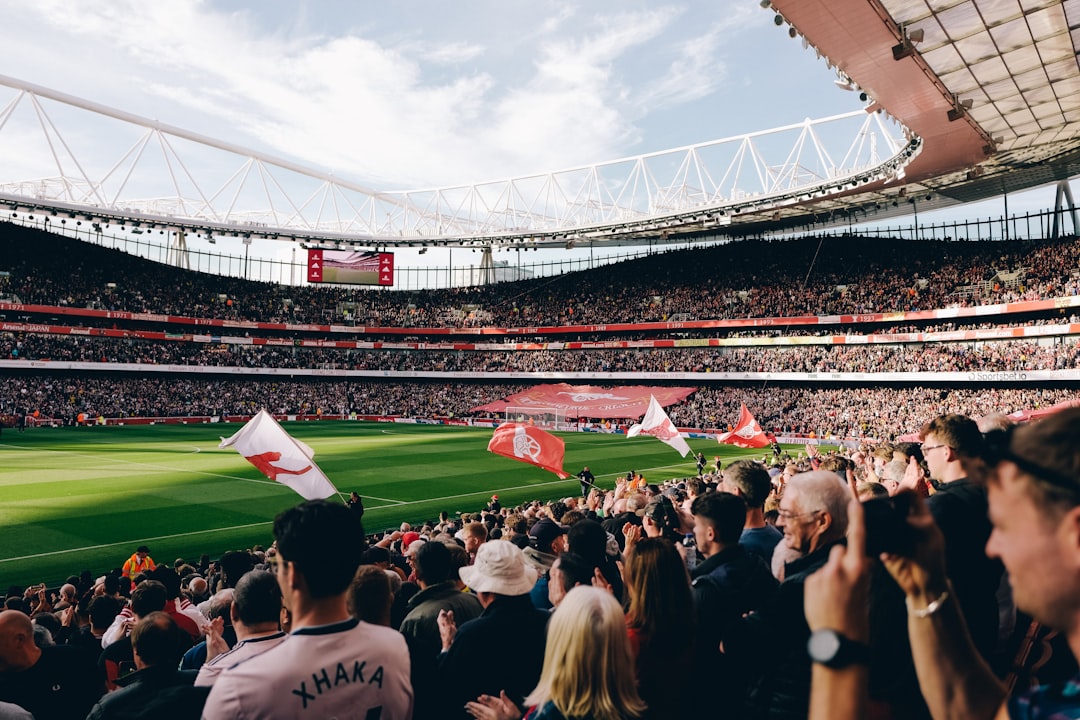

The roar of the crowd, the sea of scarves, the shared agony and ecstasy – for millions across the globe, football is more than just a game; it’s a profound, often visceral, part of their identity. This deep connection, forged in the crucible of Saturday afternoon matches and midweek European nights, transcends mere entertainment. It becomes a fundamental aspect of who they are, impacting their emotions, their social lives, and even their neurological responses. Understanding the psychology behind this phenomenon requires delving into the intricate interplay of social bonds, emotional investment, and the deep-seated human need for belonging.
The intensity of football fandom isn’t merely a cultural construct; it’s a deeply ingrained experience with observable neurological correlates. Recent advancements in neuroimaging are shedding light on the biological mechanisms that fuel this passion, demonstrating that the connection between a fan and their team is far more than metaphorical.
Brain Reward Systems and the Thrill of Victory
The November 2025 Radiology/RSNA study, utilizing fMRI scans on male soccer fans, provides compelling evidence of this neurological engagement. Observing the brain activity of fans from rival teams, researchers found a significant activation in reward regions when their own team scored. This activation was particularly pronounced compared to when an opposing team scored, highlighting the personal stake fans hold in the outcome. This reward pathway, typically associated with primary motivators like food or sex, demonstrates how deeply satisfying a team’s success is on a neurological level. Victory isn’t just about three points; it’s a dopamine rush, a potent reinforcement of their social identity. This mirrors the findings of Daniel Wann and his colleagues, who have long discussed how wins lead to “basking in reflected glory,” a vicarious achievement that boosts fans’ self-esteem.
Self-Regulatory Failure and the “Emotional Flip” of Defeat
The RSNA study further revealed a darker side to this neurological investment, particularly among highly fanatic fans as measured by the Football Supporters Fanaticism Scale. These individuals experienced “self-regulatory failure” and “emotional flips” when confronted with threats or losses. This suggests a breakdown in the brain’s ability to regulate intense emotions, leading to what can be described as a paradoxical suppression of feelings. This isn’t just disappointment; it’s a profound emotional upheaval, a direct threat to the identity so closely intertwined with their team. The brain, it seems, struggles to process losses that challenge this fundamental aspect of self.
In exploring the intricate relationship between football fans and their club identities, it’s interesting to draw parallels with the world of music, particularly in the realm of Electronic Dance Music (EDM). Just as football fans often find a sense of belonging and community through their support for a club, EDM enthusiasts experience a similar connection through the vibrant culture surrounding the genre. For a deeper understanding of this phenomenon, you can read the article titled “The EDM Consolidation: Why Electronic Dance Music is Bigger Than Ever” which delves into how music shapes identities and communities, much like football does for its fans. You can find the article here: The EDM Consolidation: Why Electronic Dance Music is Bigger Than Ever.
Social and Identity Theories: Explaining the Unbreakable Bond
While neurological studies offer fascinating insights into the “how,” psychological theories provide the framework for understanding the “why” behind this profound identification. Initially, Social Identity Theory (SIT) was a cornerstone, but more recent research suggests the need for a more nuanced approach, particularly when explaining the extreme dedication of ultra-fans.
Social Identity Theory and the Collective Self
Social Identity Theory posits that individuals derive a significant portion of their self-concept from the groups they belong to. For football fans, their team becomes a powerful in-group. Identifying with a club allows fans to experience a sense of belonging, a shared purpose, and a collective identity that transcends individual differences. As Wann’s ongoing research highlights, highly identified fans literally treat their teams as extensions of themselves. This mechanism provides a valuable sense of social self-esteem, allows for vicarious achievement (basking in reflected glory when their team wins), and even helps to reduce feelings of loneliness. The collective experience of cheering, commiserating, and celebrating shared moments fosters a strong sense of community.
Moving Beyond SIT: The Power of Identity Fusion Theory
The 2025 Frontiers in Psychology study argues that while SIT provides a valuable foundation, it falls short in fully explaining the intense emotional bonds, unwavering loyalty, and specific behaviors like ritualized displays and passionate defense exhibited by ultra-fans. Identity Fusion Theory (IFT) emerges as a more comprehensive framework. IFT suggests that rather than simply identifying with a group, individuals can fuse their personal identity with a group identity to such an extent that the boundaries between the two become blurred. In essence, the group’s goals and well-being become indistinguishable from their own.
The Indistinguishable Self and Group
For fused fans, the team’s successes and failures are experienced as personal ones. This explains the extreme emotional involvement often witnessed in the stands, where tears of joy or despair flow freely. This fusion drives behaviors like unwavering loyalty, even in the face of adversity, and a willingness to participate in elaborate rituals (chants, parades, specific attire) that solidify this merged identity. The study emphasizes that emotional involvement, more than purely cognitive identification, is a stronger predictor of satisfaction and loyalty among fans. It’s not just thinking you’re a fan; it’s feeling it in every fiber of your being.
The Psychological Needs Fulfilled by Fandom
Beyond the neurological buzz and theoretical frameworks, football fandom addresses fundamental human psychological needs, providing structure, meaning, and a sense of purpose in an increasingly complex world. Observing fan behavior from the local pub to the global stadium, it’s clear that the connection to a club serves as a significant psychological anchor.
Community and Belonging: The Tribe Mentality
One of the most potent needs fulfilled by football fandom is the yearning for community and belonging. The Cronkite News article on Arizona Cardinals fans aptly illustrates this, highlighting how their loyalty fulfills needs for community, distinctiveness, and meaning. In an age of increasing social atomization, football clubs offer a ready-made tribe, a shared identity that fosters camaraderie and mutual support. Whether it’s attending matches with friends, debating tactics online, or simply wearing the same colors, fans are instantly connected by a common bond. This sense of belonging ameliorates loneliness and provides a ready-made social network, reinforcing the positive feedback loop of social identity.
Distinctiveness and Differentiation: “Our Team” vs. “Their Team”
While fostering a sense of belonging, fandom also caters to the need for distinctiveness. Supporting a particular team allows individuals to differentiate themselves from others, to carve out a unique identity within a larger social landscape. The rivalry inherent in football, often described as a sporting tribalism, emphasizes this need. “Our team” versus “their team” is not just about competition; it’s about defining who you are by defining who you are not. This distinctiveness is often expressed through symbols, chants, and a collective narrative about their team’s history, values, and triumphs, solidifying their unique identity.
Meaning and Purpose: A Narrative for Life
For many fans, their club offers a powerful narrative that provides meaning and purpose to their lives, especially before important games. The season becomes a saga, with heroes, villains, epic battles, and dramatic conclusions. This narrative framework, much like ancient myths, resonates deeply with human psychology, offering a sense of order and significance. The hope for victory, the despair of defeat, the anticipation of the next match – these elements provide a rhythm and focus that can be deeply fulfilling. The club’s history, its triumphs and struggles, become part of the fan’s personal story, a source of pride and resilience.
Sure, here is the sentence with the clickable link:
I am interested in learning more about music production techniques.
The Emotional Rollercoaster: When Identity is Threatened
The deep psychological investment in a football club inevitably leads to an intense emotional experience, a rollercoaster of highs and lows that can be both exhilarating and deeply distressing. When a team’s performance falters, or a defeat threatens their status, it directly challenges the fan’s self-concept, leading to significant psychological impact.
Stronger Negative Reactions to Loss: A Personal Affront
As Daniel Wann’s research consistently demonstrates, while wins lead to “basking in reflected glory,” losses evoke significantly stronger negative reactions, particularly for highly identified fans. A defeat is not merely the loss of a game; it’s a personal affront, a threat to the identity that has been so carefully constructed and maintained. This can manifest as anger, sadness, frustration, and even a sense of mourning. The paradoxical suppression observed in the fMRI studies among highly fanatic fans during threats or losses further underscores the depth of this emotional distress, suggesting a complex neurological response to identity-threatening situations.
Identity Protection Mechanisms: Rationalization and Blame
In the face of loss or poor performance, fans often engage in various psychological defense mechanisms to protect their identity. This can include rationalizing the defeat (e.g., “the referee was biased,” “we were unlucky”), blaming external factors (e.g., injuries, poor management decisions), or even expressing anger towards particular players or coaches. These behaviors, while sometimes appearing irrational to outsiders, serve a crucial function for the fan: to preserve the positive image of their team and, by extension, their own self-esteem. The team’s perceived value and strength must be maintained, as it is intrinsically linked to the fan’s own sense of worth.
In exploring the intricate relationship between football fans and their clubs, one can gain further insight by examining how music often intertwines with sports culture. A fascinating article discusses the impact of music on fan experiences and identity, shedding light on how melodies can evoke strong emotions and memories associated with their teams. This connection is particularly evident in stadiums where anthems and chants resonate, creating a shared sense of belonging among supporters. For a deeper understanding of this phenomenon, you can read more about it in the article on music and its cultural significance at musiccharts24.
The Enduring Loyalty and Future of Fandom
Despite the emotional volatility and the occasional heartbreak, the loyalty of football fans remains remarkably steadfast. This enduring connection speaks to the powerful psychological needs that fandom fulfills, making it a phenomenon that continues to fascinate researchers and shape cultures worldwide. The ongoing research, spanning neuroscience, psychology, and sociology, continues to refine our understanding of this complex human behavior.
Beyond the Pitch: Identity in the Digital Age
The nature of football fandom is also evolving with the advent of digital technologies. Online forums, social media, and fantasy leagues offer new avenues for fans to express their identity, connect with fellow supporters, and engage with their club. These platforms can amplify both the positive aspects of community and the negative reactions to loss. The immediacy of information and the constant interaction can further entrench identity, making the bond even stronger and more pervasive in daily life. Understanding how these digital spaces influence and reinforce identity fusion is a crucial area for future research.
The Everlasting Quest for Belonging
Ultimately, the psychology of football fans reveals a profound human truth: the innate quest for belonging, meaning, and a sense of self. Through the shared triumphs and tribulations of their chosen club, fans find a powerful vehicle for expressing these fundamental needs. This deep-seated connection transforms a simple game into a life-defining identity, influencing not just Sundays but indeed, the very fabric of who they are. As long as there are balls to be kicked and goals to be celebrated, the emotional heart of football will continue to beat, drawing millions into its passionate embrace, where a club truly feels like identity.
Listen To The Top African Music Playlist On Spotify
FAQs
What is the psychology behind football fans’ strong attachment to their clubs?
Football fans’ strong attachment to their clubs can be attributed to a variety of psychological factors, including social identity theory, which suggests that individuals derive a sense of self from the groups to which they belong. Additionally, the sense of belonging, camaraderie, and shared experiences with other fans can contribute to a strong emotional connection to a football club.
How does a football club become a part of a fan’s identity?
A football club becomes a part of a fan’s identity through a process of socialization and identification. Fans often develop a sense of belonging and loyalty to their club from a young age, and this connection is reinforced through shared experiences, rituals, and traditions associated with the club. As a result, the club becomes intertwined with the fan’s sense of self and identity.
What role does tribalism play in the psychology of football fans?
Tribalism plays a significant role in the psychology of football fans, as it fosters a sense of belonging and loyalty to a specific group or community. Fans often identify with their club as a way to differentiate themselves from rival clubs and their supporters, creating a strong sense of in-group solidarity and out-group hostility.
How do emotions influence the psychology of football fans?
Emotions play a crucial role in the psychology of football fans, as the highs and lows of supporting a club can have a profound impact on their emotional well-being. Fans experience a range of emotions, including joy, pride, disappointment, and even anger, which can be linked to their sense of identity and connection to the club.
Can the psychology of football fans have broader societal implications?
The psychology of football fans can have broader societal implications, as it reflects the human need for belonging, identity, and community. Understanding the psychological factors that drive fan behavior can provide insights into group dynamics, social influence, and the impact of sports on individual and collective identity. Additionally, the sense of unity and solidarity among fans can contribute to social cohesion and community engagement.
