
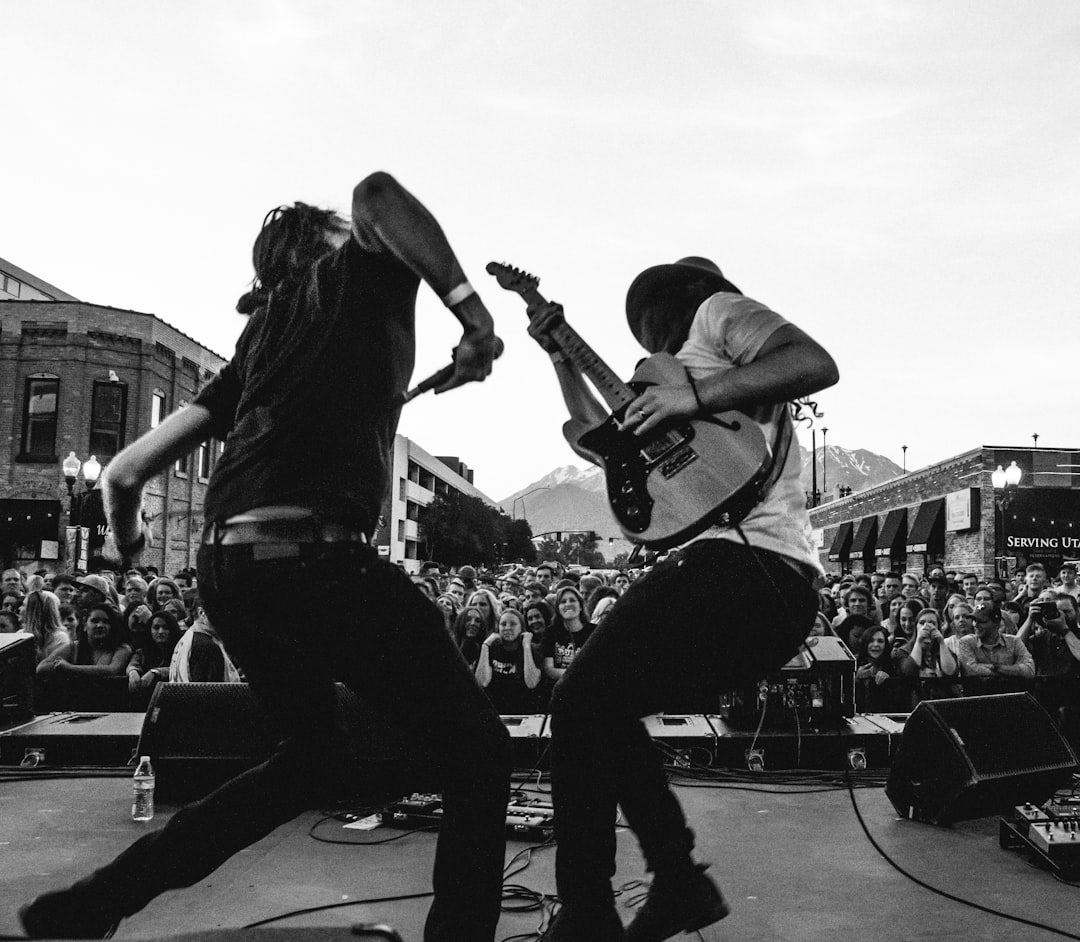

The Rise of Independent Musicians: Navigating the New Music Frontier
The music industry has undergone a seismic shift. Gone are the days when a major record label was the sole gatekeeper to success. Today, a vibrant ecosystem of independent musicians is not just surviving, but thriving, leveraging technology and new distribution models to connect directly with fans and build sustainable careers. This revolution empowers artists with unprecedented creative control and entrepreneurial spirit, fundamentally reshaping how music is created, shared, and consumed.
The allure of artistic freedom is a powerful catalyst. Many creators are drawn to the independence it offers, allowing them to pursue their unique sonic visions without compromise. This journey, however, is not without its challenges. While the barriers to entry have lowered dramatically, navigating the complex landscape requires a blend of artistic talent, business acumen, and a deep understanding of the modern music market.
The Democratization of Music Creation and Distribution
Perhaps the most significant driver behind the rise of independent artists is the dramatic democratization of music creation and distribution. Gone are the days of needing expensive studio time for every recording. The advent of affordable, high-quality recording software and hardware has put professional-grade tools within reach of nearly everyone.
Accessible Recording Technology
Laptops are now powerful recording studios. Digital Audio Workstations (DAWs) like Ableton Live, Logic Pro, and Pro Tools, once confined to professional studios, are now accessible to hobbyists and aspiring musicians alike. This allows for experimentation and refinement of sound in a personal environment, fostering a more organic creative process.
“The barrier to entry for recording has fallen through the floor,” notes Dr. Anya Sharma, a music industry analyst. “This allows for a much broader spectrum of voices and sounds to emerge, unfiltered by traditional industry gatekeepers.”
Empowering Production Tools
Beyond software, the cost of microphones, audio interfaces, and instruments has also decreased significantly. A musician can now assemble a functional home studio for a few hundred dollars, enabling them to produce professional-sounding tracks without leaving their homes. This accessibility is particularly crucial for emerging artists in regions with limited access to established music infrastructure.
Digital Distribution Platforms
Once recordings are complete, getting them to listeners globally is easier than ever. Digital distributors like DistroKid, TuneCore, and CD Baby allow independent musicians to upload their music to all major streaming platforms, including Spotify, Apple Music, and Amazon Music, for a small fee. This bypasses the need for a record label deal to get heard on these platforms.
The rise of independent musicians has transformed the music industry, allowing artists to take control of their careers and reach audiences directly. A related article that explores this trend in a unique way is about Copamore’s R&B hit “Broken Love,” which receives a club makeover in a K-pop trap house style. This piece highlights how independent artists are not only diversifying their sound but also blending genres to appeal to a broader audience. You can read more about it in the article here: Copamore’s R&B Hit “Broken Love”.
Building a Direct Fanbase: The Power of Digital Connection
The digital age has fundamentally altered the relationship between artists and their audience. Independent music artists can now cultivate a dedicated fanbase directly, fostering loyalty and support through various online channels. This direct connection is a cornerstone of their success.
Social Media as a Promotional Engine
Platforms like Instagram, TikTok, YouTube, and X (formerly Twitter) have become indispensable tools for unsigned musicians. Artists use these channels to share snippets of their music, behind-the-scenes content, personal stories, and engage in real-time conversations with their followers.
- TikTok’s Virality: Viral trends on TikTok have proven to be a powerful launchpad for emerging artists. A catchy hook or a compelling short video can catapult a song to widespread recognition, leading to increased streams and fan engagement. For example, Lil Nas X’s “Old Town Road” initially gained traction through TikTok before becoming a global phenomenon.
- Instagram for Visual Storytelling: Instagram allows artists to build a visual identity, sharing album art, performance photos, and lifestyle content that resonates with their audience. Live streams offer intimate performances and Q&A sessions.
- YouTube for Music Videos and Content: YouTube remains a primary platform for music consumption. Independent bands and solo artists can upload official music videos, live performance footage, lyric videos, and vlogs, creating a rich content library that attracts and retains viewers.
Email Lists and Community Building
While social media is excellent for broad reach, building an email list offers a more intimate and direct line of communication. Offering exclusive content, early access to releases, or merchandise discounts in exchange for email sign-ups allows artists to cultivate a core group of dedicated fans. This direct channel is invaluable for promoting new music, ticket sales, and crowdfunding campaigns.
Direct-to-Fan Sales and Merchandising
Independent musicians can sell their music and merchandise directly to fans through their own websites or platforms like Bandcamp. Bandcamp, in particular, is celebrated for its artist-friendly model, allowing artists to set their own prices and taking a smaller commission than many other platforms. This also fosters a sense of community engagement.
Diversifying Revenue Streams: Beyond Album Sales
The traditional model of relying solely on album sales for income is largely obsolete for most artists, especially independent ones. Successful DIY musicians have learned to diversify their revenue streams, creating a more robust and sustainable career path.
Streaming Royalties: A Growing, Albeit Modest, Income
While often criticized for their low per-stream rates, streaming platforms do represent a significant revenue source for many emerging artists. Consistent growth in listenership and strategic playlist placement can contribute to a steady income over time.
- Understanding Royalty Splits: It’s crucial for artists to understand how royalties are distributed, as they are divided amongst various rights holders, including the performer, songwriter, and publisher. Working with a distributor that provides transparent reporting is key.
- Strategic Playlist Pitching: Getting featured on popular curated playlists on platforms like Spotify and Apple Music can dramatically increase streams and, consequently, royalties. This often involves pitching to playlist curators well in advance of a release.
Live Performances and Touring
Live shows remain a vital income stream and a powerful way to connect with fans. Independent music tours, even smaller regional ones, can generate significant revenue through ticket sales and merchandise. Building a reputation as a compelling live act is crucial.
- Building a Local Following: Starting with local gigs and gradually expanding to regional tours helps build momentum and a dedicated fanbase that will follow you to different venues.
- The Economics of Touring: Touring involves costs like transportation, accommodation, and venue fees. Careful budgeting and creative solutions, like selling merchandise at shows, are essential for profitability.
Merchandise and Physical Products
Beyond digital music, merchandise offers a tangible way for fans to support their favorite indie artists. T-shirts, hoodies, vinyl records, CDs, posters, and unique handcrafted items can all contribute significantly to an artist’s income.
- The Resurgence of Vinyl: Vinyl record sales have seen a remarkable resurgence, offering a premium product that many fans are willing to pay for. Independent music labels and artists are increasingly pressing their own vinyl.
- Limited Edition and Exclusive Items: Offering limited edition runs of merchandise or exclusive items only available to subscribers or through direct sales can drive demand and generate higher margins.
Licensing and Sync Deals
Music licensing, also known as sync licensing, involves placing music in films, television shows, commercials, and video games. This can provide substantial upfront payments and ongoing royalties. Many independent musicians proactively seek out sync opportunities.
- Working with Music Supervisors: Building relationships with music supervisors and understanding their needs is key to securing sync deals. Utilizing music licensing platforms can also connect artists with potential opportunities.
- Creating Versatile Music: Artists who create music with broad appeal and clear moods or themes are often more successful in securing sync placements.
Crowdfunding and Patronage
Platforms like Kickstarter and Patreon have revolutionized how independent musicians can fund their projects and receive ongoing support.
- Kickstarter for Specific Projects: Artists can use Kickstarter to fund album production, music video creation, or even tour expenses, offering rewards to backers at various pledge levels.
- Patreon for Long-Term Support: Patreon allows fans to become patrons, providing monthly financial support in exchange for exclusive content, early access, and personalized interactions. This creates a stable, recurring income stream.
Sure, here is the sentence with the clickable link:
I am interested in learning more about music production techniques.
Navigating the Business of Music: Entrepreneurial Mindset
The modern independent music scene demands that artists be not only creators but also savvy entrepreneurs. Understanding the business side of music is as crucial as honing one’s craft.
Marketing and Promotion Strategies
Effective marketing is essential for breaking through the noise. Independent musicians must develop a strategic approach to reaching their target audience.
- Understanding Your Audience: Identifying your ideal listener – their demographics, interests, and where they consume music – is the first step in crafting effective marketing campaigns.
- Digital Marketing Tactics: This includes running targeted social media ads, collaborating with influencers, utilizing SEO for their website and music profiles, and engaging in cross-promotion with other artists.
- Building a Brand Identity: A strong, consistent brand identity across all platforms – from visual aesthetics to overall messaging – helps an artist stand out and connect with fans on a deeper level.
Building a Professional Online Presence
A well-maintained website and active, cur-ated social media profiles are vital for credibility and accessibility.
- A Professional Website: This serves as a central hub for all information, including music, biography, tour dates, merchandise, and contact details.
- Consistent Social Media Engagement: Regularly posting high-quality content, responding to comments and messages, and participating in relevant online conversations builds community and keeps fans engaged.
Legal and Financial Management
Understanding basic legal and financial principles is crucial for protecting an artist’s work and ensuring their business thrives.
- Copyright and Intellectual Property: Registering copyrights for original works is paramount to protecting against infringement.
- Contracts and Agreements: Understanding royalty splits, distribution agreements, and performance contracts is essential. Consulting with a music lawyer is often advisable for complex deals.
- Financial Planning and Budgeting: Managing income and expenses, tracking royalties, and setting financial goals are critical for long-term sustainability.
The rise of independent musicians has transformed the music industry, allowing artists to connect directly with their audience and gain recognition without the backing of major labels. This shift has not only empowered creators but has also led to a more diverse musical landscape. For those interested in exploring how independent artists can thrive in various environments, a related article discusses the best party beaches worldwide, where many musicians find inspiration and perform for enthusiastic crowds. You can read more about these vibrant locations in this article.
The Future of Independent Music
The trajectory of independent music points towards continued growth and innovation. As technology evolves and new platforms emerge, independent artists will undoubtedly continue to find creative ways to connect with audiences and build fulfilling careers on their own terms.
Emerging Technologies and Platforms
The metaverse, AI-powered music creation tools, and decentralized platforms are all areas that could further reshape the music landscape, offering new avenues for creation, distribution, and fan engagement. Artists who are agile and willing to experiment will be best positioned to capitalize on these advancements.
The Power of Niche Audiences
The ability to cater to specific niche audiences is a significant strength of independent musicians. Instead of trying to appeal to everyone, focusing on building a strong community within a particular genre or interest group can lead to highly engaged and loyal fanbases.
Collaborative Ecosystems
The future will likely see even more collaborative ecosystems emerge, where independent musicians, producers, designers, and marketers can pool their talents and resources to achieve common goals. This mutual support system is a hallmark of the independent spirit.
The rise of the independent musician is not a fleeting trend but a fundamental shift in the music industry. It’s a testament to the power of individual creativity, entrepreneurial drive, and the transformative potential of technology. By embracing new tools, fostering direct connections with fans, diversifying income streams, and maintaining a strong business mindset, artists can successfully navigate this new frontier and forge their own paths to musical fulfillment and success.
Meta Description: Discover the rise of independent musicians and how they’re revolutionizing the music industry through technology, direct fan engagement, and innovative business models.
URL Slug: rise-independent-musicians-music-frontier
Tags: Independent Musicians, DIY Music, Music Industry Trends, Artist Empowerment, Digital Music Distribution, Music Business, Emerging Artists, Unsigned Musicians, Music Technology, Fan Engagement
FAQs
What is the rise of independent musicians?
The rise of independent musicians refers to the increasing number of artists who are choosing to operate outside of traditional record label structures and instead pursue their music careers independently.
What factors have contributed to the rise of independent musicians?
Several factors have contributed to the rise of independent musicians, including the accessibility of digital music distribution platforms, the ability to connect directly with fans through social media, and the decline of traditional record label dominance in the music industry.
How do independent musicians distribute their music?
Independent musicians often distribute their music through digital platforms such as Spotify, Apple Music, and Bandcamp. They may also sell physical copies of their music at live shows or through their own websites.
What are the benefits of being an independent musician?
Some benefits of being an independent musician include having creative control over their music, keeping a larger percentage of their earnings, and the ability to build direct relationships with their fans.
What challenges do independent musicians face?
Independent musicians may face challenges such as limited resources for promotion and marketing, the need to handle all aspects of their career themselves, and the difficulty of standing out in a crowded music landscape.
