

The World’s Biggest Music Festivals: A Global Celebration of Sound and Culture
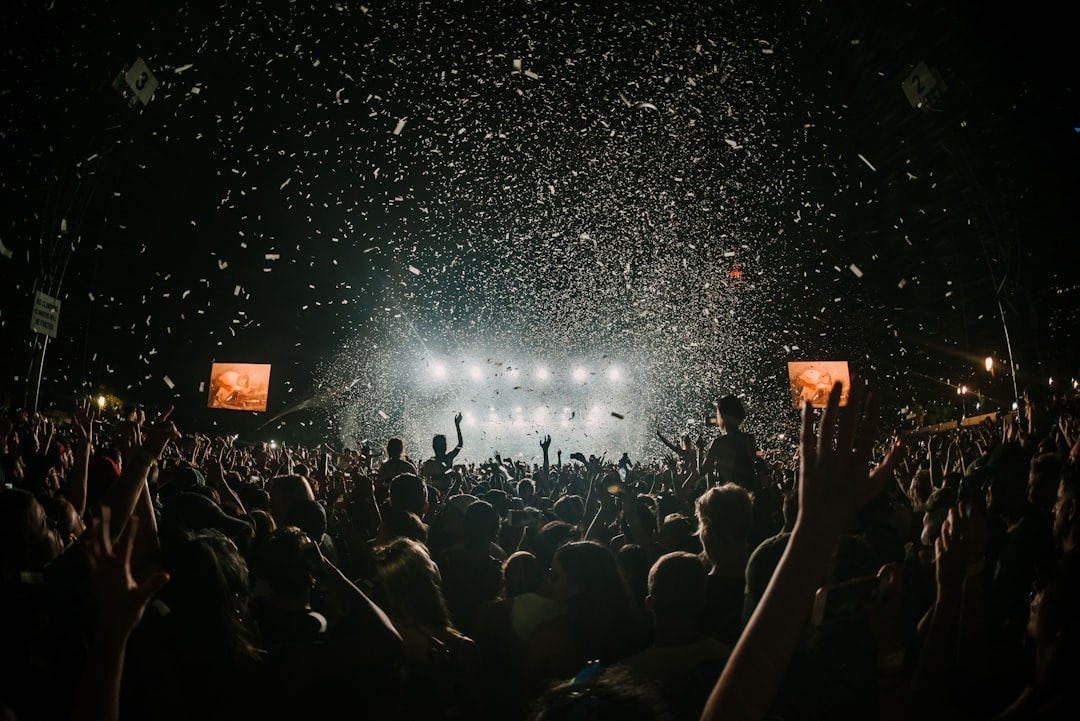
The hum of bass, the roar of the crowd, the electric atmosphere—there’s an undeniable magic to music festivals. They are more than just concerts; they are immersive experiences that bring together hundreds of thousands of people united by a shared love for music. From sun-drenched deserts to historic city parks, the world stages some truly colossal events that define the festival landscape. Exploring the world’s biggest music festivals isn’t just about listing headliners; it’s about understanding the cultural impact, logistical marvels, and sheer scale that make these gatherings unforgettable.
What makes a music festival “big”? Is it attendance, economic impact, or cultural significance? While attendance figures often dominate the conversation, the true “bigness” of a festival is a complex equation. It’s about the sheer number of souls that converge, the diverse array of talent showcased, and the lasting imprint these events leave on local communities and the global music scene. These colossal gatherings are meticulously orchestrated logistical feats, requiring months of planning and the coordination of thousands of staff, volunteers, and artists.
Decoding Festival Size: Attendance vs. Influence
Attendance is the most obvious metric. Events like Tomorrowland and Coachella routinely draw crowds exceeding 100,000 per day. However, a festival’s influence can extend far beyond its gates. A smaller, niche festival might have a profound impact on a specific genre or a dedicated fan base, shaping trends and launching careers. For instance, SXSW (South by Southwest) in Austin, Texas, while not strictly a music-only festival anymore, plays a pivotal role in showcasing emerging artists and serving as a launchpad for new music. Its impact on the industry is immense, even if its daily music attendance doesn’t rival the sheer numbers of EDM giants.
The Economic Ripple Effect: More Than Just Ticket Sales
The economic impact of these mega-festivals is staggering. They inject millions into local economies through accommodation, food, transportation, and retail spending. A study by Temple University found that Coachella alone generated over $700 million for the Coachella Valley region in 2017. This economic engine creates temporary jobs, supports local businesses, and often spurs infrastructure development. For many smaller towns and regions, hosting a major festival can be a significant economic boon, albeit one that requires careful management to mitigate potential downsides like strain on resources and increased traffic.
If you’re interested in exploring the vibrant world of music beyond festivals, you might want to check out an article that delves into the latest trends in Latin music, particularly the reggaeton genre. This piece highlights the hottest tracks and artists shaping the soundscape today. You can read more about it in the article titled “Spicy Playlist: Latin Reggaeton Charts Official” available at this link.
The North American Powerhouses: Beaches, Deserts, and Urban Oases
North America boasts a diverse range of massive music festivals, each with its own unique flavor and appeal. From the iconic desert gatherings to sprawling urban celebrations, these events consistently attract top-tier talent and massive audiences.
Coachella Valley Music and Arts Festival: The Artful Desert Spectacle
Coachella, held annually in Indio, California, is arguably the most globally recognized music festival. It’s renowned for its eclectic lineups, which seamlessly blend rock, indie, hip-hop, and electronic acts. Beyond the music, Coachella is a cultural phenomenon, celebrated for its aspirational fashion and avant-garde art installations. The desert landscape provides a dramatic backdrop, and the festival’s ability to consistently secure legendary headliners like Beyoncé, Radiohead, and Prince solidifies its status.
- Key Features: Diverse lineups, high-profile attendees, iconic art installations, desert setting.
- Attendance: Approximately 125,000 attendees per weekend.
- Tip: Book accommodations and tickets far in advance; the desert heat requires hydration and sun protection.
Electric Daisy Carnival (EDC) Las Vegas: The Neon-Fueled EDM Extravaganza
When it comes to electronic dance music (EDM), EDC Las Vegas reigns supreme. This multi-day event transforms the Las Vegas Motor Speedway into a pulsating wonderland of lights, pyrotechnics, and awe-inspiring stage designs. EDC is less about genre diversity and more about an all-encompassing immersive experience for EDM enthusiasts. The sheer scale of the production, featuring world-renowned DJs and a vibrant community of “ravers,” makes it a spectacle of sound and light.
- Key Features: Massive EDM focus, elaborate stage productions, carnival atmosphere, nighttime spectacle.
- Attendance: Over 150,000 attendees per day.
- Expert Opinion: “EDC Vegas is a masterclass in showmanship. The integration of technology, art, and music creates an unparalleled sensory overload,” says Amelia Rose, a veteran festival reviewer.
Lollapalooza: Chicago’s Urban Music Melting Pot
Lollapalooza, a festival born in the 1990s alternative rock scene, has evolved into a sprawling urban music festival set in Chicago’s iconic Grant Park. With multiple stages catering to a wide spectrum of genres, from pop and rock to hip-hop and electronic, Lollapalooza attracts a diverse crowd. Its city-center location offers a unique festival experience, allowing attendees to explore Chicago’s attractions alongside the music.
- Key Features: Diverse genre representation, iconic city park location, multi-day event.
- Attendance: Approximately 100,000 attendees per day.
- Actionable Takeaway: Utilize Chicago’s public transportation to navigate to and from the festival to avoid traffic congestion.
Europe’s Grand Stages: From Ancient Abbeys to Urban Jungles
Europe has a rich history of large-scale music events, many of which have become institutions, drawing international crowds and setting the standard for festival experiences.
Glastonbury Festival: The British Icon of Eclecticism
Glastonbury Festival, held on Worthy Farm in Somerset, England, is more than just a music festival; it’s a cultural pilgrimage. Known for its muddy fields (though not always!), its legendary Pyramid Stage, and its incredibly diverse lineup that spans every conceivable genre, Glastonbury is an institution. It consistently features major global artists alongside emerging talent and a strong emphasis on performing arts, theater, and environmental activism. Its capacity is capped at 200,000, but demand for tickets far outstrips supply.
- Key Features: Iconic Pyramid Stage, legendary headliners, diverse programming beyond music, muddy terrain reputation, strong community ethos.
- Attendance: Capped at 200,000.
- Tip: Prepare for all types of weather, invest in good waterproof gear, and embrace the mud if it arrives!
Tomorrowland: The Fairytale of Electronic Dance Music
Tomorrowland, held in Boom, Belgium, is an EDM festival that has redefined the genre’s large-scale experience. It’s celebrated for its breathtaking stage designs, fairytale-themed landscapes, and masterful integration of storytelling and fantasy into the festival’s DNA. With a lineup dominated by the world’s biggest DJs and a global audience, Tomorrowland is a true celebration of electronic music and immersive stagecraft.
- Key Features: Fantasy-themed stages, world-class EDM DJs, elaborate decorations, global audience.
- Attendance: Over 400,000 attendees over two weekends.
- Statistics: Tomorrowland’s economic impact on the Belgian region is estimated to be in the tens of millions of Euros.
Rock am Ring and Rock im Park: Germany’s Twin Rock Festivals
These two massive rock festivals, held simultaneously in Nürburg and Nuremberg, Germany, are titans of the hard rock and alternative music scene. Rock am Ring (on the Nürburgring motorsport complex) and Rock im Park (in a park in Nuremberg) share lineups and attract hundreds of thousands of rock fans. They are known for their powerful performances from legendary rock bands and their dedicated, passionate audiences.
- Key Features: Focus on rock and metal genres, simultaneous events with shared lineups, large capacity.
- Attendance: Over 150,000 attendees combined.
- Actionable Takeaway: Decide which location best suits your travel plans, as both offer a similar stellar rock experience.
Sure, here is the sentence with the clickable link:
I am interested in learning more about music production and its essentials.
The Global Phenomenon: Asia, South America, and Beyond
While North America and Europe often dominate the headlines, music festivals are a truly global affair, with massive events captivating audiences across continents.
Fuji Rock Festival: Japan’s Majestic Mountain Gathering
Nestled in the scenic mountains of Niigata Prefecture, Japan, Fuji Rock Festival is celebrated for its stunning natural beauty, diverse musical offerings, and commitment to environmental sustainability. It consistently draws a mix of international and Japanese artists across various genres, from rock and folk to electronic and pop. The festival’s pristine setting and emphasis on cleanliness and eco-consciousness offer a unique and refreshing experience.
- Key Features: Beautiful mountain setting, emphasis on sustainability, diverse international and Japanese lineups.
- Attendance: Approximately 100,000 attendees over three days.
- Expert Opinion: “Fuji Rock is a testament to how a festival can be both massive and mindful. The connection to nature is palpable,” notes international music journalist Kenji Tanaka.
Rock in Rio: Brazil’s Colossal Celebration
Rock in Rio, originating in Brazil, is one of the largest and most iconic music festivals in the world. It has hosted some of the biggest names in music history and has a reputation for its massive scale and electric atmosphere. What started as a single event has grown into a multi-city, multi-genre phenomenon, with editions held in various locations around the globe. Its legacy is built on bringing unparalleled entertainment to millions.
- Key Features: Legendary status, vast lineups, multi-national presence, high-energy Brazilian crowds.
- Attendance: Historically drawn crowds exceeding 1 million over its multiple editions in Rio de Janeiro.
- Historical Note: The first Rock in Rio in 1985 is credited with significantly boosting Brazil’s music scene and its international profile.
Sziget Festival: Budapest’s Island of Liberty
Sziget Festival, held on Óbudai-sziget (Obuda Island) in Budapest, Hungary, is often referred to as the “Island of Freedom.” This week-long extravaganza offers an incredibly diverse program, extending far beyond music to include theater, circus, art installations, and workshops. Its appeal lies in its bohemian atmosphere, its commitment to artistic freedom, and its ability to attract a predominantly young, international crowd.
- Key Features: Week-long duration, island location, diverse artistic programming, vibrant cultural atmosphere.
- Attendance: Over 500,000 attendees.
- Tip: Dedicate time to explore the non-music activities; they are as integral to the Sziget experience as the performances.
If you’re interested in exploring the vibrant atmosphere of live music events, you might want to check out an article about the emotional connections that music can foster, as highlighted in this piece. It delves into how music transcends boundaries and brings people together, much like the experience at the world’s biggest music festivals, where diverse audiences unite to celebrate their love for various genres and artists.
The Future of Festivals: Innovation and Sustainability
As the world of music festivals continues to evolve, two key themes are shaping their future: technological innovation and an increasing commitment to sustainability.
Embracing Technology: The Next Frontier
Technology is revolutionizing the festival experience. From advanced ticketing systems and cashless payments to augmented reality experiences and livestreaming of performances, innovation is enhancing accessibility and immersion. Virtual and hybrid festival models emerged during the pandemic and are likely to remain a part of the landscape, offering new ways for people to engage with music on a global scale.
The Green Revolution: Towards Sustainable Celebrations
With a growing awareness of environmental impact, major festivals are increasingly prioritizing sustainability. Initiatives like waste reduction, renewable energy sources, and responsible water management are becoming standard practice. Brands like Glastonbury and Fuji Rock are actively promoting eco-friendly practices, encouraging attendees to minimize their environmental footprint.
- Statistic: A 2019 study by the Association of Independent Festivals (AIF) in the UK found that 70% of festivals had implemented sustainability initiatives.
- Actionable Takeaway: When attending a festival, strive to reduce your waste by bringing a reusable water bottle and a portable ashtray.
Conclusion: More Than Just a Beat
The world’s biggest music festivals are more than just gatherings of fans; they are cultural touchstones, economic engines, and logistical marvels. They represent a powerful human desire to connect, to celebrate, and to experience the collective energy of music. As these events continue to innovate and adapt, they promise to remain defining moments in the global cultural calendar, offering unforgettable experiences that resonate long after the final note fades.
Meta Description: Explore the world’s biggest music festivals, from Coachella and Glastonbury to Tomorrowland and Rock in Rio. Discover their scale, impact, and unique experiences.
URL Slug: worlds-biggest-music-festivals
Tags: Music Festivals, Festival Guide, Coachella, Glastonbury, Tomorrowland, Rock in Rio, EDM Festivals, Live Music, Festival Culture, Global Events
FAQs
What are some of the world’s biggest music festivals?
Some of the world’s biggest music festivals include Coachella in California, Glastonbury in the UK, Tomorrowland in Belgium, Lollapalooza in Chicago, and Rock in Rio in Brazil.
How many people attend these music festivals?
Attendance numbers vary, but some of the largest music festivals can attract hundreds of thousands of attendees. For example, Glastonbury Festival has an attendance of around 200,000 people.
What genres of music are typically featured at these festivals?
Music festivals often feature a wide range of genres, including rock, pop, electronic dance music (EDM), hip-hop, indie, and more. Many festivals have multiple stages with different genres of music playing simultaneously.
How do music festivals impact the local economy?
Music festivals can have a significant impact on the local economy by bringing in tourism, creating jobs, and generating revenue for local businesses such as hotels, restaurants, and shops.
What are some of the challenges faced by organizers of these large-scale music festivals?
Organizers of large music festivals face challenges such as ensuring the safety and security of attendees, coordinating logistics for large crowds, booking popular and diverse musical acts, and dealing with potential weather-related issues.
