
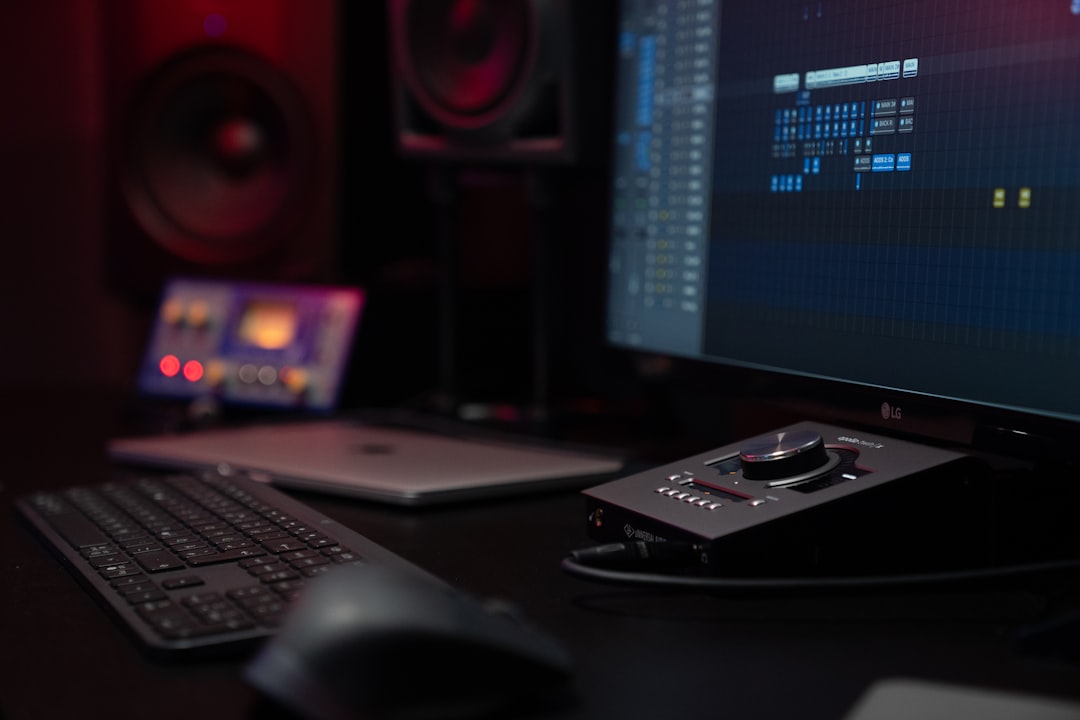

Music is a curious beast. It has the uncanny ability to evoke emotions that we often struggle to articulate. I’ve found myself in moments where a single chord progression can transport me back to a time and place I thought I had long forgotten. It’s as if the notes themselves are vessels, carrying the weight of our experiences, our joys, and our sorrows. When I sit down to produce, I am acutely aware of this power. It’s not just about crafting a catchy hook or a polished beat; it’s about tapping into that raw emotional current that runs beneath the surface of every song.
Yet, there’s an irony in this emotional connection. While we strive to create music that resonates with others, we often overlook our own feelings in the process. I’ve spent countless hours obsessing over the technical aspects of production, only to realize that the most profound moments in music come from a place of vulnerability. It’s not about perfection; it’s about honesty. When I allow myself to be open and raw, the music flows more freely, and I find that it resonates with others in ways I never anticipated. This is the paradox of emotion in music: it’s both deeply personal and universally relatable.
In exploring the creative process behind music production, the article “Why My Best Tracks Never Felt Special While Making Them” resonates with many artists who often find that their most impactful works emerge unexpectedly. This theme is further elaborated in a related article that delves into the evolution of a genre that has seen its own share of surprises and innovations: reggaeton. For a deeper understanding of how great reggaeton artists have shaped the music landscape, you can read more in this insightful piece on the short history of reggaeton.
Key Takeaways
- Emotion is a crucial element that deeply connects listeners to music.
- Successful songs balance familiar sounds with fresh, novel elements.
- Authenticity in music creation enhances listener trust and engagement.
- Cultural and societal contexts significantly shape musical styles and themes.
- Technology and collaboration both play key roles in modern music production and innovation.
Balancing Familiarity and Novelty
In my journey as an amateur producer, I’ve come to appreciate the delicate dance between familiarity and novelty. There’s a certain comfort in the familiar—a chord progression or a rhythmic pattern that feels like home. Yet, if I lean too heavily on what’s known, I risk creating something that feels stale or uninspired. The challenge lies in finding that sweet spot where the listener feels both at ease and intrigued.
I often find myself experimenting with sounds that are slightly off-kilter or unexpected. It’s a gamble, really. Sometimes it pays off, and other times it falls flat. But there’s something liberating about embracing that uncertainty. When I introduce a new element into a track, it’s like adding a splash of color to a monochrome canvas. It can breathe new life into a familiar structure, inviting listeners to engage with the music in a fresh way. Ultimately, it’s about striking a balance—creating something that feels both comforting and exciting, familiar yet new.
The Role of Authenticity in Music Creation
Authenticity is a buzzword that gets thrown around a lot in the music industry, but what does it really mean? For me, it’s about being true to my own voice and experiences. In a world saturated with trends and expectations, it can be tempting to chase what’s popular or what seems to sell. But I’ve learned that authenticity is not something that can be manufactured; it must come from within.
When I produce music that reflects my own experiences—my struggles, my triumphs, my quirks—it resonates more deeply with others. There’s an honesty in vulnerability that cuts through the noise. I’ve found that when I embrace my imperfections and share my story, it creates a connection with listeners that is far more powerful than any polished production could achieve. Authenticity isn’t about being flawless; it’s about being real, and that’s what makes music truly impactful.
Understanding the Influence of Culture and Society on Music
Music doesn’t exist in a vacuum; it is deeply intertwined with culture and society. As I delve into different genres and styles, I can’t help but notice how they reflect the values, struggles, and aspirations of their time. From protest songs to love ballads, music serves as a mirror to the world around us.
It’s fascinating to consider how societal shifts influence musical trends and vice versa.
In my own work, I strive to be aware of these cultural currents. They inform not only the sounds I choose but also the themes I explore in my lyrics. There’s an inherent responsibility in creating music that speaks to the times we live in. It’s not about being preachy or didactic; rather, it’s about acknowledging the complexities of our shared human experience. When I tap into these cultural narratives, I find that my music gains depth and relevance, resonating with listeners on a more profound level.
In exploring the nuances of music creation, many artists find that their best tracks often lack the special feeling during the production process, a sentiment echoed in various discussions around artistic expression. A related article that delves into the transformation of music styles is available at this link, which highlights how a popular R&B hit has been reimagined in a vibrant K-pop trap house style. This transformation showcases the dynamic nature of music and how different genres can breathe new life into familiar tracks, making it a fascinating read for anyone interested in the evolution of sound. You can check it out here: K-pop trap house style.
The Science Behind Catchy Melodies and Memorable Lyrics
| Factor | Description | Impact on Feeling | Possible Solution |
|---|---|---|---|
| Familiarity Bias | Being too close to the track during creation | Reduces excitement and novelty | Take breaks and revisit with fresh ears |
| Perfectionism | Focusing on flaws rather than the overall vibe | Leads to dissatisfaction and undervaluing work | Set limits and focus on emotional impact |
| Lack of External Feedback | Not sharing work during production | Missed validation and perspective | Seek feedback from peers or listeners |
| High Expectations | Comparing tracks to past successes or others | Creates pressure and diminishes joy | Focus on personal growth and process |
| Technical Focus | Concentrating on technical details over creativity | Can make the process feel mechanical | Balance technical work with creative experimentation |
There’s an undeniable allure to catchy melodies and memorable lyrics. As an amateur producer, I often find myself dissecting what makes certain songs stick in our minds long after they’ve ended. It’s a blend of psychology and artistry—understanding how our brains respond to sound and rhythm while also infusing creativity into the process.
I’ve learned that repetition plays a crucial role in creating memorable hooks. When a melody is simple yet engaging, it invites listeners to sing along, creating an instant connection. But there’s also an element of surprise—unexpected twists or lyrical turns that keep the listener engaged. It’s a balancing act between predictability and innovation, and when done right, it can lead to songs that linger long after the last note fades away.
The debate between collaborative and solo songwriting is one I’ve grappled with throughout my journey as a producer. There’s something undeniably rewarding about crafting a song entirely on my own—every note, every lyric is a reflection of my vision. Yet, there’s also immense value in collaboration; working with others can spark ideas and push me out of my comfort zone.
I’ve experienced both sides of this coin. In collaborative settings, I’ve found that different perspectives can lead to unexpected breakthroughs. A simple suggestion from a co-writer can transform a lackluster idea into something vibrant and alive. However, there are moments when I crave solitude—the quiet space where my thoughts can flow freely without external influence. Ultimately, it’s about finding the right balance between collaboration and independence, allowing each approach to inform and enrich my creative process.
Harnessing the Power of Technology in Music Production
Learn the fundamentals of music production through this comprehensive online course.
Technology has revolutionized the way we create and consume music, and as an amateur producer, I find myself both fascinated and overwhelmed by its possibilities. Digital audio workstations (DAWs), plugins, and virtual instruments have opened up new avenues for creativity that were once unimaginable.
Yet, there’s also a risk of becoming too reliant on technology—of losing sight of the artistry amidst the endless options.
I’ve learned to approach technology as a tool rather than a crutch. It can enhance my creative process when used mindfully; for instance, experimenting with different sounds or effects can lead to unexpected discoveries. However, I also make it a point to step back from the screen occasionally—to reconnect with the raw elements of music-making: playing an instrument or simply listening intently to what resonates within me. In this way, technology becomes an extension of my creativity rather than its sole driver.
The Evolution of Music and Its Impact on Creating Unforgettable Songs
Music is not static; it evolves alongside us as individuals and as a society. Each era brings its own innovations and influences, shaping the soundscape of our lives. As an amateur producer navigating this ever-changing landscape, I find myself reflecting on how these shifts impact my own creations.
The evolution of music invites experimentation—it encourages me to explore new genres or blend styles in ways that feel fresh and exciting. Yet, there’s also a sense of nostalgia for what has come before; certain sounds or structures evoke memories that are deeply ingrained in our collective consciousness. In creating unforgettable songs, I strive to honor this evolution while also carving out my own unique space within it. It’s a journey marked by exploration and discovery—a reminder that music is as much about the past as it is about the future.
In conclusion, my journey as an amateur producer has been one of exploration—of emotion, authenticity, culture, technology, and evolution. Each element plays a vital role in shaping not only my music but also my understanding of what it means to create art in an ever-changing world. And while there may be no definitive answers or formulas for success, there is solace in recognizing the shared experiences that bind us all together through music—a quiet exhale amidst the chaos of creation.
Check Out Our Music Producer Class!
FAQs
Why do some artists feel their best tracks don’t feel special while making them?
Many artists experience a disconnect between the creative process and the final product. During creation, they may be focused on technical aspects or perfectionism, which can overshadow the emotional impact. The excitement or special feeling often emerges after reflection or audience feedback rather than during production.
Is it common for musicians to not feel attached to their best work during creation?
Yes, it is quite common. Artists often become so involved in the technical details and repetitive editing that they lose the initial emotional connection. The sense of a track being “special” can develop later, once the work is complete and they can listen with fresh ears.
Can the pressure to create a hit track affect how special a song feels during production?
Absolutely. Pressure to produce a successful or popular track can lead to stress and self-doubt, which may diminish the artist’s enjoyment and emotional connection during the creative process. This pressure can make the work feel more like a task than an inspired creation.
How can artists reconnect with their music to feel it is special while making it?
Artists can try techniques such as taking breaks, listening to their work in different environments, collaborating with others, or focusing on the emotional story behind the track. Mindfulness and reducing perfectionism can also help maintain a genuine connection during production.
Does audience feedback influence how special an artist feels about their tracks?
Yes, audience feedback often plays a significant role. Positive reactions and recognition can validate the artist’s work and enhance their emotional attachment to the track. Sometimes, a song only feels truly special after it resonates with listeners.
