
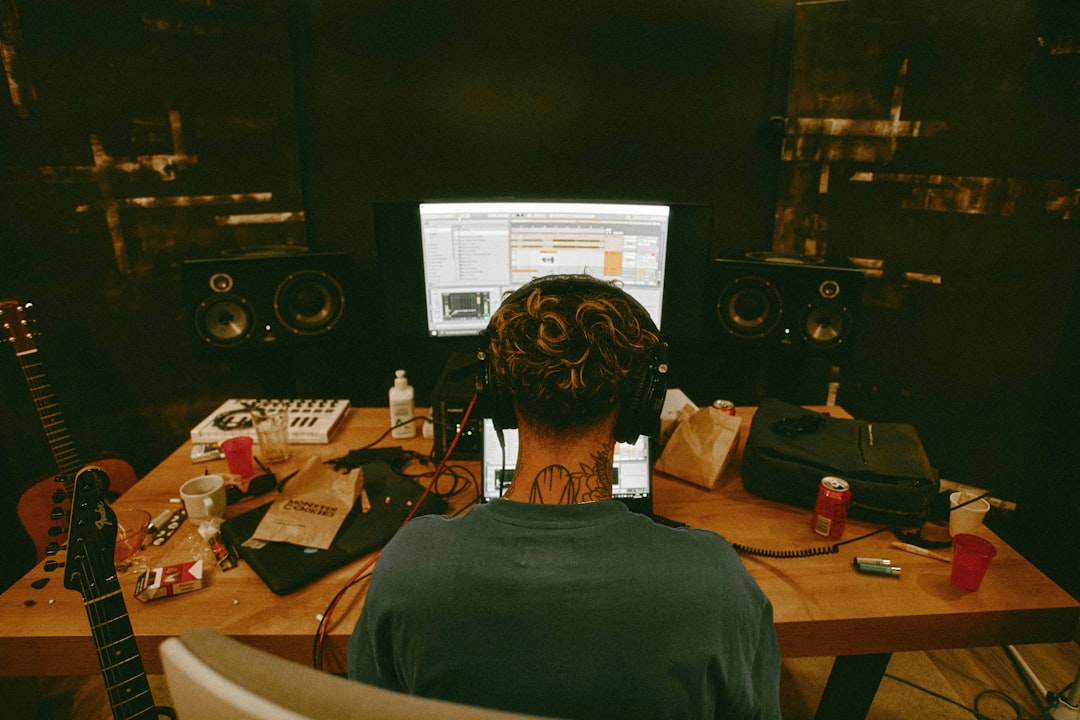

In the world of amateur production, the pressure to deliver can feel like a weight pressing down on my chest. It’s not just about creating something that sounds good; it’s about meeting an unspoken standard that seems to shift with every passing trend. I find myself caught in a cycle of comparison, where every new release from a peer feels like a challenge to my own abilities. The expectation to produce something remarkable, something that will resonate with listeners, looms large. It’s as if there’s an invisible audience waiting, judging my every move, and the thought of disappointing them is enough to keep me up at night.
Yet, in this relentless pursuit of excellence, I often forget that the act of creation itself is inherently flawed. Every note I lay down, every beat I craft, is a reflection of my current state—my skills, my experiences, my limitations. The pressure to deliver can be paralyzing, but it’s also a reminder that I’m not alone in this struggle. Many of us grapple with the same expectations, and perhaps acknowledging that shared burden is the first step toward finding some semblance of peace in the chaos. It’s not about perfection; it’s about the process, however messy it may be.
In the world of music production, the fear of confronting unfinished projects or unpolished tracks is a common experience among artists. This theme resonates with the article “Every Producer Has a Folder They’re Afraid to Open,” which explores the psychological barriers that producers face. For a deeper dive into the challenges and triumphs of artists in the music industry, you might find interest in the article about local rapper Freddie B’s rap battles, which showcases the raw talent and authenticity that often emerges from the streets. You can read more about it here: Freddie B’s Rap Battles.
Key Takeaways
- The pressure to deliver can lead to stress and burnout in creative industries.
- Fear of failure can hinder creativity and innovation, leading to safe and unoriginal work.
- Dealing with rejection is a natural part of the creative process and can lead to growth and improvement.
- Balancing creativity and commercial success is a challenge, but finding the right mix is essential for long-term success.
- Managing expectations is crucial for maintaining mental and emotional well-being in the creative industry.
Fear of Failure
The fear of failure is a familiar companion in my journey as an amateur producer. It lurks in the shadows, whispering doubts into my ear every time I sit down to create. What if no one likes what I make? What if I pour my heart and soul into a project only for it to fall flat? These questions echo in my mind, creating a barrier between me and the music I want to produce. It’s a fear that can be paralyzing, stifling creativity and leaving me second-guessing every decision I make.
But here’s the thing: failure is an inevitable part of the creative process. It’s not a reflection of my worth or talent; it’s simply a stepping stone on the path to growth. Each misstep teaches me something valuable, whether it’s about my craft or about myself. Embracing this reality doesn’t come easily, but it does offer a certain kind of freedom. If I can accept that failure is not the end but rather a necessary part of the journey, perhaps I can approach my work with a little more grace and a lot less fear.
Dealing with Rejection
Rejection is another unwelcome guest at the table of creativity. It arrives uninvited, often when I least expect it, and leaves me feeling exposed and vulnerable. Whether it’s a critique from a fellow producer or an outright dismissal from a label, rejection stings. It’s easy to internalize these experiences, to let them chip away at my confidence and make me question my abilities. In those moments, I remind myself that rejection is not personal; it’s simply part of the landscape of this industry.
What’s more unsettling is how rejection can sometimes feel like a reflection of my entire self-worth. I’ve learned that it’s crucial to separate my identity from my work. Just because someone doesn’t resonate with what I’ve created doesn’t mean I’m not capable or talented.
It’s a hard lesson to learn, but one that ultimately liberates me from the weight of others’ opinions.
Each rejection becomes less about me and more about the subjective nature of art itself—a reminder that not everyone will connect with what I produce, and that’s perfectly okay.
Balancing Creativity and Commercial Success
Navigating the delicate balance between creativity and commercial success is a tightrope walk that often leaves me feeling dizzy. On one hand, there’s the desire to create art that speaks to me—music that reflects my unique voice and vision. On the other hand, there’s the reality of an industry that often prioritizes marketability over authenticity. The pressure to conform to trends or cater to what’s popular can be suffocating, leading me to question whether I should compromise my artistic integrity for the sake of success.
In truth, this balancing act is fraught with contradictions. There are moments when I find joy in creating something purely for myself, free from the constraints of commercial expectations. Yet, there are also times when I feel the pull of validation that comes from wider recognition or financial success. It’s a complex relationship that requires constant negotiation between my artistic impulses and the demands of an ever-evolving market. Ultimately, I’ve come to realize that there’s no one-size-fits-all answer; it’s about finding what feels right for me at any given moment and allowing myself the freedom to explore both sides without judgment.
In the world of music production, many artists grapple with the fear of confronting their own creative vulnerabilities, a theme explored in the article “Every Producer Has a Folder They’re Afraid to Open.” This resonates with the challenges indie artists face when seeking exposure, as highlighted in another insightful piece that discusses effective strategies for playlist placement. For those interested in enhancing their visibility in the competitive music landscape, this article offers valuable tips and can be found here: Unlocking Playlist Placement Success.
Managing Expectations
Imposter syndrome is a familiar specter that haunts many aspiring producers, myself included. Despite any accomplishments or positive feedback I may receive, there’s always that nagging voice in the back of my mind telling me I’m not good enough—that I’m merely pretending to be someone who belongs in this space. It’s an unsettling feeling that can undermine my confidence and make me question whether I truly deserve to be here.
What’s striking about imposter syndrome is how isolating it can feel. Many of us experience it in silence, convinced we’re alone in our self-doubt while others seem effortlessly confident. The truth is, acknowledging these feelings doesn’t diminish my abilities; it simply highlights the complexity of navigating an industry rife with comparison and competition. By recognizing imposter syndrome for what it is—a common experience rather than a personal failing—I can begin to dismantle its power over me and embrace my journey with all its imperfections.
Fear of the Unknown
The fear of the unknown looms large in the world of production, where each new project brings with it a host of uncertainties. What if I take a creative risk and it doesn’t pay off? What if I venture into uncharted territory only to find myself lost? These questions swirl around in my mind like a storm cloud, threatening to overshadow any excitement I might feel about new possibilities.
Yet, there’s something oddly liberating about embracing uncertainty. The unknown can be daunting, but it also holds the potential for growth and discovery. Each time I step outside my comfort zone—whether by experimenting with new sounds or collaborating with unfamiliar artists—I open myself up to experiences that can reshape my understanding of music and creativity. It’s not always easy, but learning to sit with discomfort allows me to navigate the unpredictable landscape with a sense of curiosity rather than fear.
Coping with Industry Trends
The ever-shifting landscape of industry trends can feel like quicksand beneath my feet—one moment I’m riding high on a wave of inspiration, and the next I’m struggling to keep up with what’s “in.” Trends come and go at an alarming pace, leaving many amateur producers feeling disoriented and unsure of where they fit in. It’s easy to get swept up in the frenzy of what’s popular and lose sight of what truly matters: creating music that resonates with me.
Coping with industry trends requires a delicate balance between awareness and authenticity. While it’s important to stay informed about what’s happening in the industry, I’ve learned that chasing trends often leads to creative burnout. Instead, I focus on cultivating my unique voice while remaining open to influences from various sources—whether they’re current trends or timeless classics. By grounding myself in what inspires me rather than what’s trending, I can navigate this ever-changing landscape with confidence and clarity.
In conclusion, navigating the world of amateur production is fraught with challenges—pressure to deliver, fear of failure, rejection, balancing creativity with commercial success, managing expectations, imposter syndrome, fear of the unknown, and coping with industry trends all play their part in shaping my journey. Yet within these struggles lies an opportunity for growth and self-discovery. By acknowledging these experiences without judgment or pressure to improve, I find solace in knowing that I am not alone in this pursuit. Each step forward—no matter how small—is part of a larger narrative that continues to unfold as I embrace both the triumphs and tribulations of being an amateur producer.
Check Out Our Music Producer Class!
FAQs
What is the article “Every Producer Has a Folder They’re Afraid to Open” about?
The article discusses the common experience among music producers of having a folder of unfinished or abandoned projects that they are hesitant to revisit.
Why do music producers have a folder they’re afraid to open?
Producers often have a folder of unfinished projects due to creative blocks, self-doubt, or fear of failure. These projects may represent personal or professional challenges that the producer has struggled to overcome.
How does having a folder of unfinished projects affect music producers?
Having a folder of unfinished projects can lead to feelings of frustration, self-criticism, and a sense of being stuck creatively. It can also impact a producer’s confidence and willingness to take creative risks.
What are some strategies for addressing the fear of opening the unfinished projects folder?
Some strategies for addressing this fear include setting aside dedicated time to revisit the projects, seeking feedback from trusted peers or mentors, and reframing the projects as opportunities for growth and learning.
How can music producers overcome the fear of opening their unfinished projects folder?
Producers can overcome this fear by practicing self-compassion, embracing imperfection, and focusing on the process rather than the end result. Seeking support from the music community and finding inspiration from other artists can also help in overcoming this fear.
